In early 2024, millions of Facebook users saw Taylor Swift eagerly selling Le Creuset cookware in a video ad. She never agreed to it. The pots were a giveaway scam, the voice was cloned, and the face was hers. That single wave of deepfake celebrity ads, plain deepfake ads built on AI deepfakes, taught the internet a brutal lesson: the most trustworthy proof in advertising, a beloved celebrity, had become the cheapest prop in the scam economy.
Two years later the problem has only grown more polished. Fake MrBeast giveaways circulate every week. A cloned David Attenborough narrated scam videos until the real one complained to the UK parliament. Even the smartest viewers get caught, because modern celebrity AI ads no longer glitch the way early fakes did. So this guide gives you the famous cases, the tells that still work, and a five-step check you can run in under a minute.
In this guide
- The 30-second answer
- What you’ll learn
- Why deepfake ads exploded in the last two years
- Famous deepfake ads everyone now knows
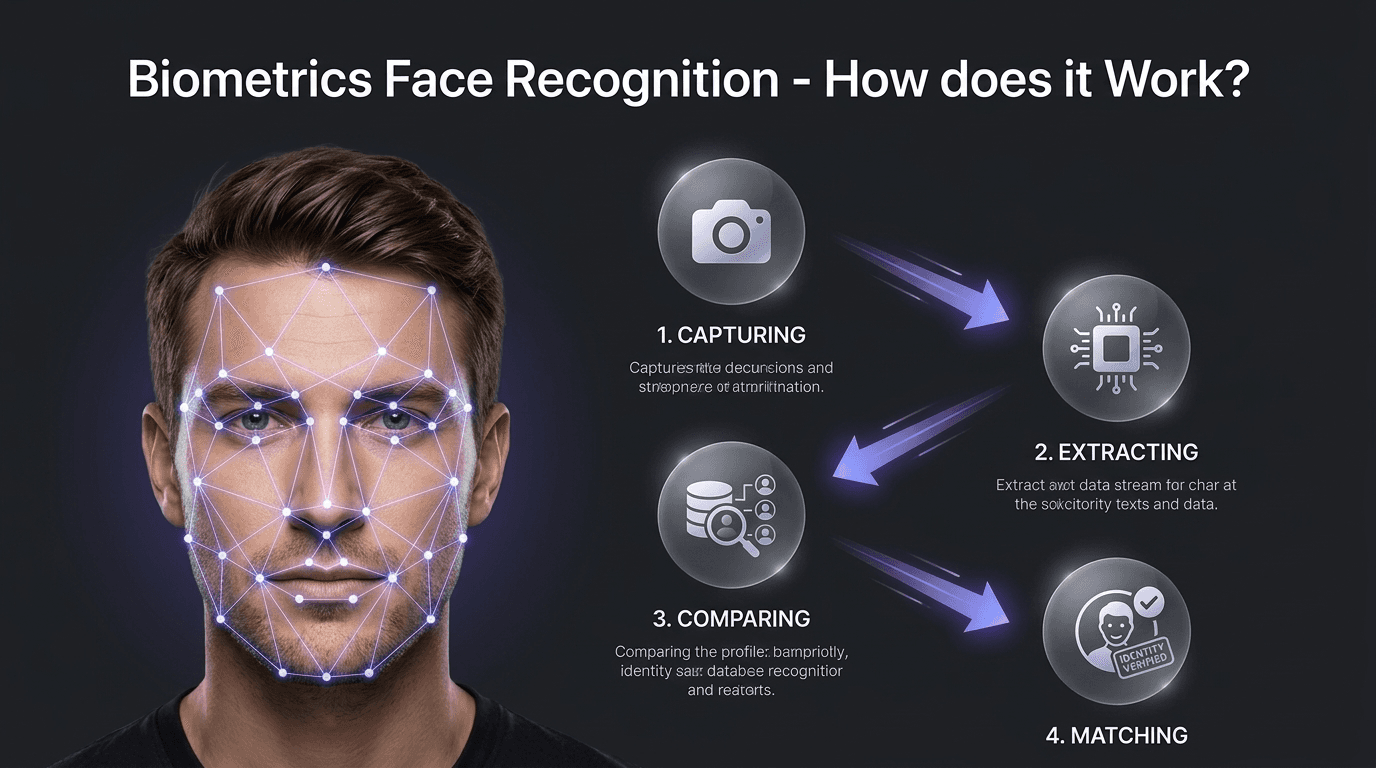
- How to spot deepfakes: the five-step check
- What regulators and platforms are doing
- What brands and creators should do now
- The scam funnel, dissected
- The believability tax on honest brands
- Frequently asked questions
- The bottom line
The 30-second answer
Deepfake ads are synthetic videos or voice clips that put a real person’s likeness into an advertisement they never approved. Most are scams or knockoff shops; a few are careless brand experiments. You spot them by checking hands, lip sync, voice texture, the offer itself and the page that hosts it. And you should never trust a celebrity endorsement just because the face is famous, because that proof died in 2024.
Key takeaways
- Deepfake ads clone celebrities for scams far more often than brands clone them for campaigns.
- The Taylor Swift cookware scam and fake MrBeast giveaways made the threat mainstream.
- Modern fakes rarely glitch, so single-tell detection no longer works.
- The five-step check covers visuals, audio, offer, source and cross-searching.
- Regulators are catching up, yet your best protection is still personal verification.
What you’ll learn
The route through this guide
- Why deepfake ads exploded between 2023 and 2025
- The famous cases that trained the public to be suspicious
- A five-step verification check that takes under a minute
- What the FTC, FCC and EU are doing about synthetic ads
- How brands and creators can protect their own faces
- Five answers to the questions people ask most
Why deepfake ads exploded in the last two years
Three costs collapsed at once. First, the tools: voice cloning needs seconds of audio, and video models now animate a photo convincingly. Second, the distribution: scam ad networks on big platforms accept payment, run a fake for days, and vanish before reviews accumulate. Third, the payoff: a cloned celebrity converts, because parasocial trust does the selling. When those three curves cross, you get an industry.
The economics explain the volume too. A scammer needs no studio, no consent and no media plan, because stolen attention is the media plan. Reporting from fraud researchers suggests individual scam campaigns run on budgets of a few hundred dollars, against victims who lose thousands each. Meanwhile legitimate deepfake ads, the licensed brand kind, remain rare, which means nearly every celebrity ad you cannot verify is a scam rather than a stunt.
There is a deeper shift underneath the scams. Audiences spent a decade learning that video equals proof, and deepfakes broke that link in about eighteen months. The consequence reaches beyond fraud into every campaign, because viewers now discount even honest spots. That is why believability became the central question of modern AI ads, and why we treat it as a design problem in our main guide.
Famous deepfake ads everyone now knows
The Taylor Swift Le Creuset scam ran in January 2024 and remains the textbook example. The ad looked like a segment from a talk show, complete with a fake giveaway code, and platforms struggled to pull copies fast enough. Her team had done nothing wrong; the criminals simply needed a face with universal trust. Mainstream outlets from AP onward covered it, which is how most of the public learned the term deepfake ads in the first place.
The MrBeast variants came next, because his brand is literally generosity. Fakes showed him handing out cash or iPhones behind a link that harvested cards and identities. Tom Hanks warned followers about a dental plan ad using an AI version of him. David Attenborough told UK lawmakers his voice had been copied to push messages he never spoke, and consumer champion Martin Lewis, whose name carries money-advice weight in Britain, has fought cloned scam ads for years. In one case that shocked executives everywhere, a finance worker in Hong Kong wired 25 million dollars after a video call where every colleague was faked.
Not every case is a scam, and that nuance matters. Bruce Willis licensed his likeness to a deepfilm studio, and brands experiment with disclosed AI likenesses of willing stars. The difference between those and the Swift case is consent plus disclosure. So the honest rule for viewers is not never believe. It is verify the consent, because that single question separates the licensed frontier from the fraud economy.
How to spot deepfakes: the five-step check
Forget the old advice about distorted ears and weird blinks, because modern generators fixed those. The reliable method stacks five weak signals into one strong verdict. No single step convicts an ad, yet two or three together will save you from most scam deepfake ads circulating today. Here is the sequence, in the order that catches fakes fastest.
The five-step deepfake ads check
Teach the sequence at home
Teach the sequence to family members who shop online, because fraud teams report that older relatives and teens convert most on these scams. The check takes about forty seconds once it is habit. And when an ad fails two steps, do not engage with the page at all, since some scam funnels begin harvesting data from the first click rather than the purchase.
The scam vocabulary worth knowing
- Bait content: the cloned celebrity video that exists purely to stop the scroll.
- Clone pages: fake news layouts that lend borrowed credibility to the offer.
- Harvest checkout: the payment page where gift cards and card details actually flow.
- Burn and relaunch: the domain cycle that keeps deepfake ads one step ahead of takedowns.
What regulators and platforms are doing
The rules are arriving in layers. In the United States, the FCC ruled that AI-generated voices in robocalls are illegal under existing law, after a fake Biden robocall targeted New Hampshire voters. The FTC opened enforcement into AI-supported deception and banned fake consumer reviews outright. Political ads on major platforms now require disclosure when they contain synthetic media. None of this stops the scams outright, but each layer raises the cost of getting caught.
The EU went further with the AI Act, which forces clear labeling of synthetic media, including advertising, as its transparency obligations phase in. China already requires watermarks on AI content. Platforms, meanwhile, lean on provenance standards like C2PA, which cryptographically records how an image or video was made, and camera makers have begun shipping it at capture. For the full rulebook, our AI ad regulations guide maps who must disclose what in 2026, market by market.
Enforcement has limits you should understand. Scam networks relaunch under new names faster than takedowns, and cross-border prosecution moves slowly. So the regulatory layer is a floor, not a shield. Personal verification, the five-step habit from earlier, remains the layer that actually protects a household today, while the legal layer slowly makes the business of deepfake scam ads less profitable.
What brands and creators should do now
If your face or your brand can sell, assume someone will try to borrow it. Register your key handle variations, set alerts for your name next to words like giveaway and code, and monitor the ad libraries where your likeness appears without a campaign behind it. Creators with licensing deals should publish a standing note on their real channels that says where authorized promotions live. That single page short-circuits most scam funnels.
Consent and provenance as creative assets
Brands that want to use celebrity AI ads legitimately should treat consent and provenance as creative assets. Get written likeness rights, attach C2PA credentials to published assets, and label synthetic media plainly, because the audience punishes the cover-up far more than the technology. Our AI agent security and guardrails guide extends the same principle to autonomous marketing systems: the control is the product. And when a fake spreads, respond fast with the takedown routes the platforms publish, then say so publicly, because silence reads as consent.
There is also a search angle most teams miss. Scam pages compete for the same queries your real campaigns target, and search engines now evaluate trust signals aggressively. Understanding how AI search engines choose websites helps, because verified entities and consistent source pages outrank clone farms over time. Publish consistently under your real name, keep your about pages rich, and the fakes slowly starve in the rankings too.
Enforcement intensity differs by market, which scammers exploit ruthlessly. Some regions chase payment processors aggressively, so fakes route through jurisdictions with slower takedown habits. Others have strong consumer protection but thin cross-border reach, which is why a scam aimed at one country often hosts from another. Deepfake ads are a global supply chain with local endings, and that asymmetry is exactly why personal verification matters more than waiting for any single regulator to finish the job.
The scam funnel, dissected
Understanding the machinery helps you spot deepfake ads before they finish loading. A typical funnel runs in four stages: a cloned celebrity video promises a giveaway or a too-good price, the link lands on a cloned news page or fake shop, checkout harvests card details or gift card codes, and the operation vanishes within days. The deepfake ads are only the front door; the business lives in the checkout page, which is why the offer check matters more than the face check.
Variants have multiplied as the tools got cheaper. Fake shops use celebrity clips to sell counterfeit goods. Romance-style crypto pitches borrow finance personalities to endorse phantom platforms. Impersonation pages pretend a star is closing down a product line. In every version, the same two signals stay constant: urgency plus a payment path that avoids normal buyer protection. When both appear together, the celebrity face is decoration, not evidence.
The volume explains the persistence. Fraud researchers report that scam operations relaunch under fresh domains faster than takedowns land, and individual victims lose meaningful sums before reports accumulate. So treat every unverified celebrity endorsement as a lead, not a fact, and let the five-step check decide. The habit costs under a minute, and it is the only defense that works at feed speed.
The believability tax on honest brands
Here is the cost nobody invoices: every scam using a famous face raises suspicion for brands that paid for the real one. Performance teams report audiences screenshotting legitimate campaigns and asking whether they are deepfake ads in the comments, and comment sections now audit faces, voices and captions unprompted. The public learned detection from fraud, and it applies the lesson everywhere, including to your honest spot.
The tax has a payment method. Brands that prove provenance, publish their campaigns on verified accounts, and label anything synthetic convert that scrutiny into credibility, because they answer the question the audience is already asking. Brands that ignore it pay in conversion, since doubt sits between the ad and the checkout no matter how good the media plan is. Deepfake ads did not just create a scam economy; they created an atmosphere where proof is a creative asset, and the brands that ship proof first will price that advantage into every quarter ahead.
Frequently asked questions
Are deepfake ads illegal?
Scam versions break fraud, impersonation and advertising laws almost everywhere, and regulators are adding synthetic-media rules on top. Licensed, disclosed uses with consent are legal in most markets, which is why the consent test matters more than the technology itself.
What was the Taylor Swift deepfake ad?
A January 2024 scam on major platforms showed a cloned Taylor Swift selling cookware through a fake Le Creuset giveaway. She had no deal with the brand, and the wave of copies became the moment most of the public learned what deepfake ads look like.
How can I tell if a celebrity ad is fake?
Run the five-step check: study mouth and voice, inspect hands and objects, interrogate the offer, check the page history, and cross-search the claim. Two or more failures mean you should not engage, and one failure on the offer alone is usually enough.
Do deepfake detection tools work?
They help at scale, yet they lag the generators and miss on compressed social video. For everyday protection, the stacked manual signals beat any single detector, which is why we teach the habit rather than an app.
Can brands legally use AI versions of celebrities?
Yes, with explicit consent, clear disclosure and respect for voice and likeness rights, and laws like Tennessee’s ELVIS Act strengthen those rights. The ethical bar is rising too, because audiences reward brands that disclose rather than imply the star showed up in person.
The bottom line
Deepfake ads turned the most trusted signal in advertising into the least reliable one, and the fix is a habit rather than a tool. Check the voice, the hands, the offer, the page and the record, and you will catch nearly every scam circulating today. Brands should lock down consent, ship provenance, and disclose plainly. Trust survived the last century of advertising by adapting, and it will adapt again, one verification at a time.
Keep reading
Sources and further reading
- AP coverage of the Taylor Swift Le Creuset deepfake scam — apnews.com (2024)
- David Attenborough on voice cloning, UK parliament testimony — bbc.com
- Martin Lewis campaigns against cloned celebrity scam ads — theguardian.com
- NPR reporting on MrBeast-themed giveaway scams — npr.org
- Hong Kong deepfake video-call fraud case — reuters.com (2024)
- FCC ruling that AI voices in robocalls are illegal — fcc.gov (2024)
- FTC enforcement on AI-supported deception and fake reviews — ftc.gov
- EU AI Act transparency obligations for synthetic media — europa.eu