
For one February night, roughly a third of the United States watches the same screen, and a 30-second slot costs around eight million dollars. That stage has always been advertising’s state of the union. So when Super Bowl AI ads filled the 2025 break, from OpenAI’s very first commercial to Meta’s comedian trio, the industry read it as a verdict on the whole technology. The verdict came back wonderfully mixed.
This is the game where AI advertising stopped being an experiment and became a genre. Some spots warmed the room, some chilled it, and one fake-weather backlash taught everyone about trust the hard way. Below is the full lineup, the honest wins, the honest flops and the five lessons that transfer to campaigns with a budget of exactly zero million dollars.
In this guide
- The 30-second answer
- What you’ll learn
- Super Bowl AI ads: why 2025 was the year
- The Super Bowl AI ads lineup, spot by spot
- What worked, and why it worked
- What flopped, and the reason underneath
- The five lessons for your own campaigns
- The commercials everyone rewatched
- The ads outside the AI headline
- Frequently asked questions
- The bottom line
The 30-second answer
The short version goes like this. Super Bowl AI ads won in 2025 when AI served a human story and lost when AI served itself. OpenAI spent its debut explaining the technology’s history in dots, Google let Gemini help real small businesses tell real stories, and Meta got laughs by casting comedians as the voices in smart glasses. Meanwhile a wave of quietly AI-assisted AI commercials passed without protest, and any spot that felt synthetic for its own sake got roasted by Monday morning.
Key takeaways
- Super Bowl AI ads became a genre in 2025, headlined by OpenAI, Google and Meta.
- AI serving real people scored; AI showing off scored poorly.
- Production-level AI mostly passed unnoticed, which is its own lesson.
- A fake weather-presenter stunt showed the backlash risk on the biggest stage.
- Every lesson scales down to zero-budget campaigns without translation loss.
What you’ll learn
The route through this guide
- Why 2025 turned the big game into AI’s coming-out party
- The lineup, spot by spot, with the honest context behind each
- The patterns behind the spots that won the room
- The patterns behind the flops and the Monday-morning roasts
- Five lessons that transfer directly to small campaigns
- Five answers to the questions viewers and marketers keep asking
Super Bowl AI ads: why 2025 was the year

Three forces converged. Money: big game ad prices climbed to roughly eight million dollars for thirty seconds, so brands wanted maximum novelty per second, and AI promised exactly that. Availability: generative video and voice had crossed the quality line during 2024, so agencies could offer options that were impossible the year before. And mood: after a year of AI headlines, mainstream America expected the technology to show up, and brands obliged.
The prior twelve months set the stage. Coca-Cola’s holiday spot had already normalized the debate, AI-made ads were winning small-screen attention all season, and the first fully AI-generated TV commercial aired during the NBA Finals that June for a reported budget near two thousand dollars. By kickoff, every CMO in the stadium knew what the tools could do. Super Bowl commercials 2025 therefore became the first big game where the question was not whether AI would appear, but how.
One more factor mattered: the audience was primed to grade. Viewers arrived knowing about deepfakes, knowing the Coca-Cola argument and knowing the tells. That means the game’s AI spots were judged twice, once as entertainment and once as authenticity. Our main guide on AI ads calls this the believability layer, and the big game stress-tested it in front of the largest audience advertising will ever get.
The Super Bowl AI ads lineup, spot by spot
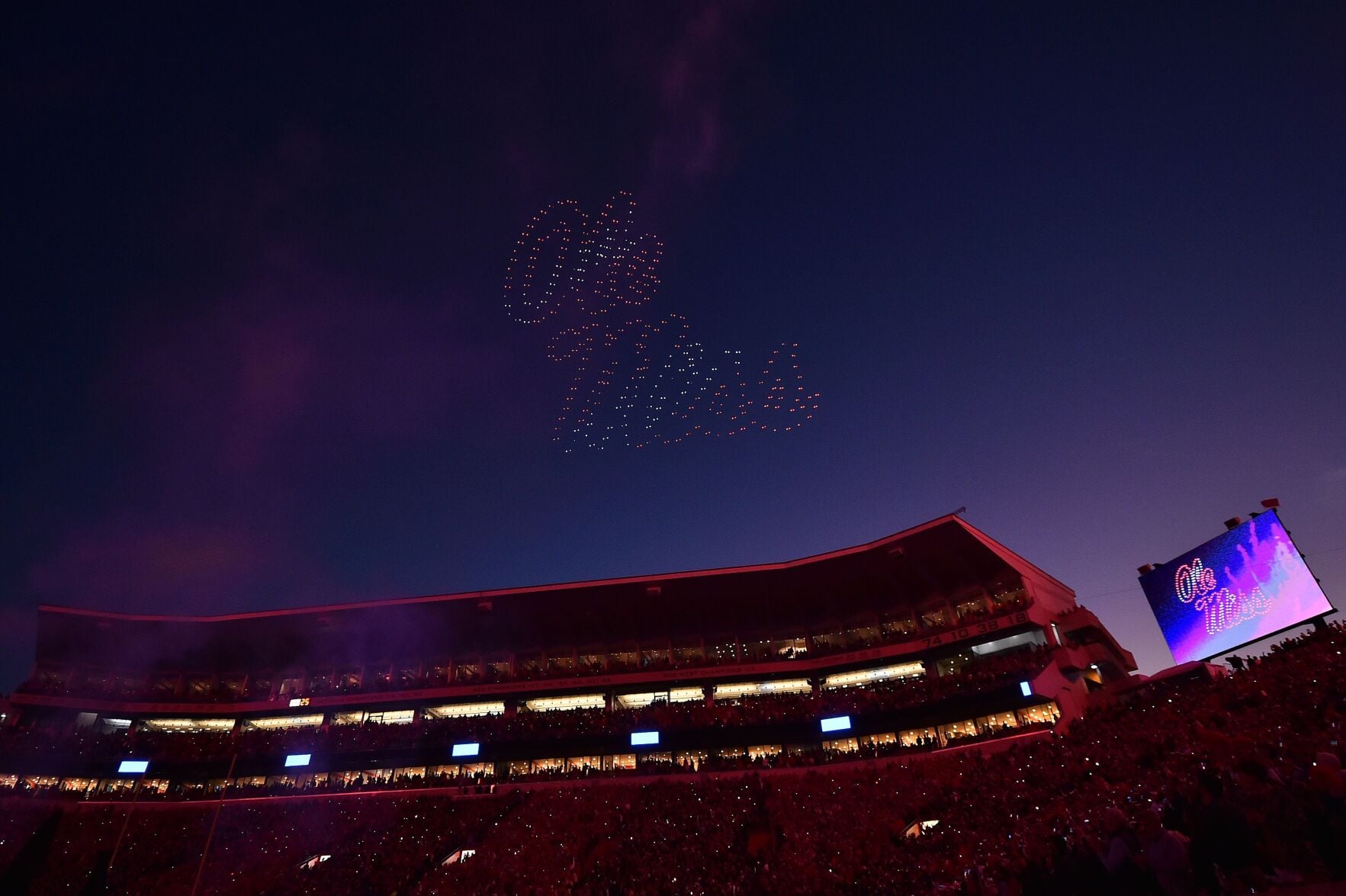
OpenAI bought its first-ever Super Bowl slot and spent it strangely and beautifully. The spot, called The Intelligence Age and now shorthand for the OpenAI Super Bowl ad, animated dots in the style of hand-drawn pointillism while tracing milestones from fire to flight to ChatGPT. No voiceover hype, no product demo, just a brand saying it belongs in a lineage of human tools. Critics debated whether wasting the reveal on abstraction was bold or indulgent, and the debate itself proved the point of buying the stage.
Meta ran a comedy play, and the Meta Super Bowl ad cast Chris Pratt, Sam Richardson and Jon Hamm arguing about which of them was the AI inside smart glasses, a joke that only works because the product genuinely does talk back. Google took the heartwarming route: the Google Gemini Super Bowl ad, Dream Job, followed dozens of real small businesses across all 50 states using the tool for real work, from a cheese shop drafting descriptions to a coach planning drills. Meanwhile weather-adjacent drama popped when a local station’s AI weather presenter experiment drew national mockery, a reminder that synthetic humans on broadcast trigger fast. Alongside the headliners sat a quieter majority: commercials with AI-assisted effects, cleanup and localization that nobody clocked at all.
What worked, and why it worked
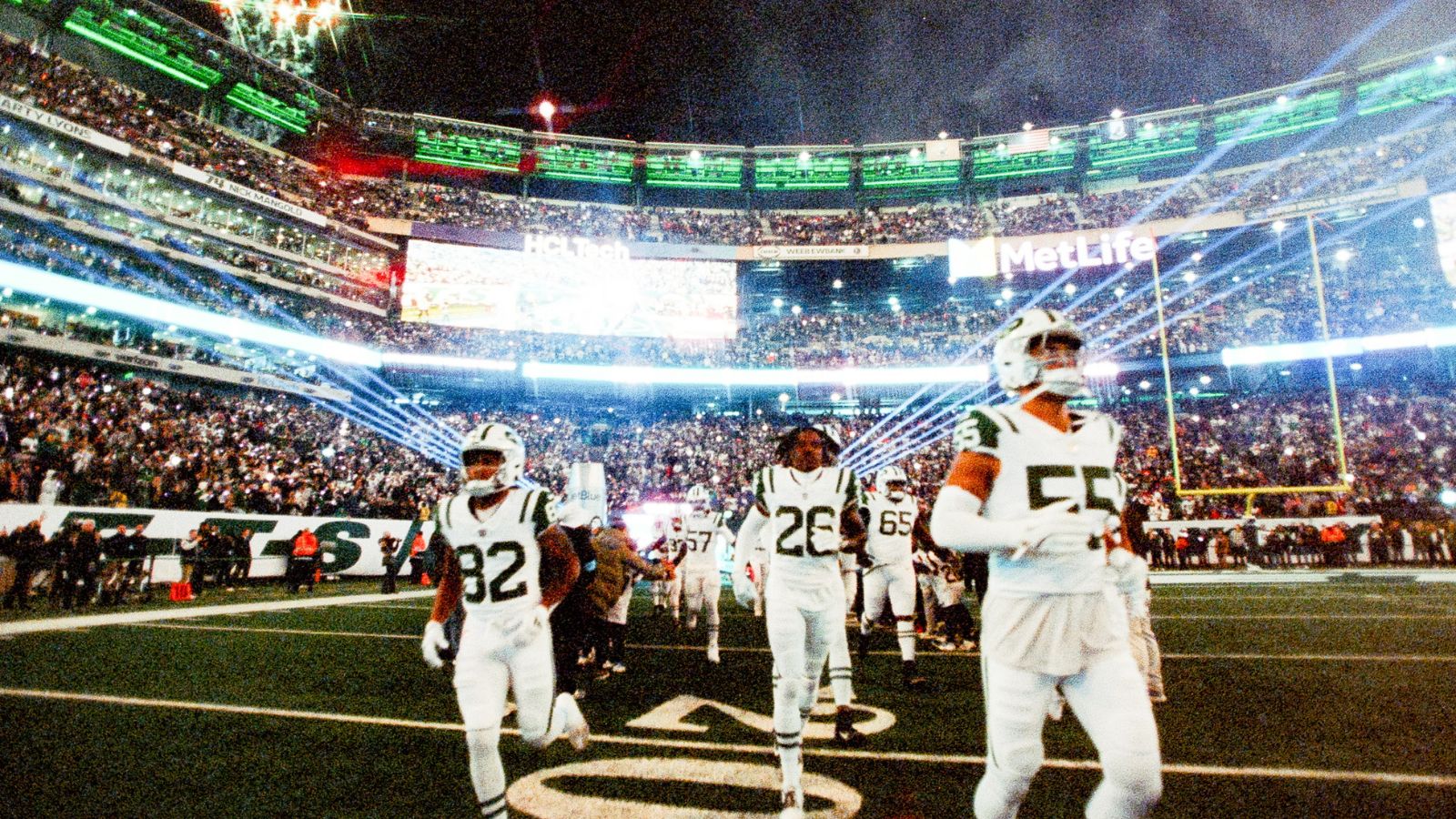
The winners shared one skeleton: AI as supporting cast, humans as the story. Google’s spot worked because every face on screen belonged to a real business owner with a real problem, so the technology read as a helping hand rather than a replacement. Meta’s worked because comedians carried the script, and the AI was the punchline instead of the artist. Both spots let the audience laugh or cry at people, then notice the tool. That ordering is the entire trick.
Notice what the winners did not do. They did not use AI to fake a beloved memory, the trap Coca-Cola stepped into at Christmas. They did not synthesize spokespeople, and they did not lead with visual spectacle, because a stadium crowd has seen every effect possible. Super Bowl AI ads won by being modest inside the biggest production on television, which is a genuinely funny sentence, and also the accurate one.
The lineup at a glance
The 2025 big game AI lineup at a glance
| Spot | The AI angle | Audience read |
|---|---|---|
| OpenAI, The Intelligence Age | First Super Bowl spot, pointillist history of tools | Bold and divisive, huge conversation |
| Google Gemini, Dream Job | Real small businesses in 50 states doing real work | Warm, widely praised |
| Meta smart glasses comedy | Comedians as competing AI voices | Laughs, strong recall |
| AI-assisted production wave | Effects, cleanup and variants across many spots | Invisible by design |
| Local AI weather presenter stunt | Synthetic presenter on a real broadcast | Roasted, instantly viral for the wrong reason |
The table hides one more winner: the invisible majority. Dozens of big game ads used generative tools for set extensions, cleanup, localization and variant testing, and nobody noticed, which is precisely the point. Production AI passes when it serves craft, and the Monday-after reviews rarely mention it. If you want to try the same stack at normal budgets, our roundup of the best AI ad generators covers the tools behind this kind of work.
What flopped, and the reason underneath
The failures were quieter but instructive. The local AI weather presenter drew instant national mockery, not because the render was bad, but because a synthetic human occupying a trust role on live broadcast felt like a scam rehearsal. A handful of heavily synthetic brand spots got the Monday roast too, usually for uncanny people or for stories that felt generated rather than lived. In every case the problem was the same: the audience felt processed.
There is a structural reason the big game punishes synthetic humans. Viewers watch with friends, in groups, out loud, which makes them the harshest believability judges in media. A waxy face that might slide past a doom-scroll becomes a punchline in a living room. Super Bowl AI ads therefore run believability on expert mode, and the stumbles carry outsized consequences because the stage multiplies everything. The same stunt on a Tuesday stream would have died quietly.
And the flops shared a second trait: they led with the technology. When the ad’s message is look what AI can do, the audience hears look what we saved, and the goodwill evaporates. The winners led with people and let the tool stay in the credits. If that feels repetitive, it is, because it is the single most repeated finding across every post in this cluster, from holiday remakes to AI UGC ads.
The five lessons for your own campaigns
These transfer straight to a budget of zero. First, cast humans as the story and AI as the crew, because the ordering decides the read. Second, keep synthetic humans out of trust roles until the culture cools, since presenter-shaped fakes trigger fastest. Third, spend your AI effort on variants and polish rather than spectacle, because invisible craft ages better than visible tricks. Fourth, test in groups, since social viewing is the harsher judge. Fifth, buy attention honestly, because a stunt that wins the algorithm and loses the room bills you later.
- Pick the one human moment your product enables, then let AI multiply it across cuts, languages and formats.
- Add one visible real person with a real name, because named humans anchor believability.
- Reserve synthetic faces for jokes or art, never for trust roles like news, health or money.
- Ship two variants of every promise and let performance decide, the way big game teams test quietly.
- Pre-write your Monday response, because the biggest stage always produces a Monday.
Notice how little the lessons cost. Nothing above requires eight million dollars or a celebrity, and small teams actually hold an advantage here, because their audiences expect authenticity rather than spectacle. Our AI marketing automation for small teams guide shows how to wire the testing half into a weekly rhythm, so the lessons become workflow instead of New Year’s resolutions.
The commercials everyone rewatched
Beyond the headliners, a handful of AI-adjacent spots earned their rewatches on craft alone. AStv’s eerie courtroom drama divided horror fans and gave Monday morning its favorite argument. Editing-heavy spots from streaming brands leaned on generated cleanup so hard that frame-by-frame threads popped up within hours. And a silent majority of commercials carried AI work in lighting, cleanup and localization that nobody flagged, because craft that serves the story stays invisible. Rewatch culture is the big game’s real exam, and AI passed it quietly more often than loudly.
The rewatch layer matters because it measures the thing ratings cannot: whether an ad was entertainment or interruption. Spots built on human stories got shared with affection, while spots that felt like tech demos got shared as jokes, and both shipments counted as views. Super Bowl AI ads therefore ended the night with a lesson about sharing: the format spreads sincerity faster than spectacle, which is the exact opposite of what the hype predicted.
The ads outside the AI headline
A fair review also mentions the Super Bowl AI ads that flew under the mainstream narrative. Weather-adjacent drama aside, a dozen mid-tier brands used generative tools for set extensions, translation dubs and variant testing, and their commercials played like any other polished spot. That invisibility is the real milestone: for production crews, AI in advertising stopped being a statement in 2025 and became plumbing. Meanwhile the headliners absorbed all the cultural attention, which suited the quiet adopters perfectly, since invisibility is cheaper than backlash.
For the record, the night also settled a running argument about cost. Super Bowl AI ads did not arrive as a budget hack, because the eight-million-dollar slot dwarfs any production saving. What AI changed was the number of attempts a brand could afford before kickoff, and attempt volume is how the best thirty seconds get found. The brands that understood this treated generative tools as rehearsal infrastructure, and their final cuts showed the difference to anyone watching closely.
The economics conversation deserves a closing word, because Super Bowl AI ads are often framed as a budget hack and the framing misleads. The slot dwarfs production, so the real question is what generative tools change about preparation. They change iteration count, localization reach and the speed of bad-idea elimination, which are rehearsal advantages. Brands that used them as rehearsal infrastructure arrived with sharper final cuts, and that is the honest link between AI advertising and the most expensive thirty seconds in media.
The scoreboard, a year on
So the scoreboard for Super Bowl AI ads reads clearly a year later. The debut spots bought legitimacy, the human-first spots bought warmth, and the invisible production layer bought its way into every commercial without a headline. Nothing about the night suggested the trend reverses, and everything suggested the believability bar keeps rising. For brands planning future big game appearances, the preparation rule from this cluster applies at maximum pressure: rehearse with machines, ship with humans, and let the credits say which was which.
Frequently asked questions
What was the first AI Super Bowl ad?
OpenAI’s The Intelligence Age in 2025 was the company’s first big game spot and the clearest AI-branded ad of the night, rendered entirely in animated pointillism. Several earlier ads used AI behind the scenes, but OpenAI’s was the first front-of-brand debut.
How much did Super Bowl AI ads cost?
Slots ran around eight million dollars for thirty seconds in 2025, before production. The AI angle often reduced production cost versus a traditional shoot, yet the buy dominated the budget, as it always has.
Did any 2025 Super Bowl ads get caught faking things?
The most talked-about stumble was a local station’s AI weather presenter experiment that drew national mockery around the game. Several brand spots also drew uncanny-frame criticism on Monday, though none reached that level of virality.
Were the Super Bowl commercials 2025 actually made with AI?
Many used AI somewhere in the pipeline for cleanup, effects, variants or localization, while only a few led with the technology. That split is the story: production AI went mainstream quietly, and brand-level AI debuted loudly.
Can small businesses use the same approach?
Yes, and they should, at their own scale. The winning pattern, human story first with AI handling volume, maps directly onto tools that cost under a hundred dollars a month, which our AI ads guide breaks down in detail.
The bottom line
Super Bowl AI ads arrived in 2025 and split exactly along believability lines: AI that served people won the room, and AI that performed itself paid the Monday bill. OpenAI bought legitimacy, Google bought warmth, Meta bought laughs, and an over-eager synthetic presenter bought the internet’s favorite punching bag. Steal the winners’ ordering, keep humans first in every cut, and the biggest lessons of the biggest night fit comfortably inside a small budget.
Keep reading
Sources and further reading
- AP coverage of Super Bowl LIX commercials and the AI presence — apnews.com (2025)
- Ad Age review of the big game spots and production notes — adage.com
- CNBC reporting on Super Bowl ad pricing for 2025 — cnbc.com
- The Verge on OpenAI’s first Super Bowl commercial — theverge.com
- Reuters on brand spending and the AI production wave — reuters.com
- Variety on audience reaction to the big game AI spots — variety.com