
Scroll any feed today and the talking-product videos blur together: someone casual, some lighting, some honest-sounding recommendation. A growing share of them, and you cannot tell which, are AI UGC ads featuring presenters who do not exist. Brands pay a fraction of creator rates, generate thirty hooks before lunch, and never worry about scheduling. The question this raises is uncomfortable for an industry built on trust: if the person is fake but the product is real, is the ad a lie?
The money says the trend is not slowing. Virtual influencers with millions of followers sign real campaigns, avatar tools churn out synthetic spokespeople by the thousand, and agencies quietly swap creator budgets for generation budgets. Meanwhile audiences keep saying they want real people. This guide walks both sides: what synthetic creators actually earn, how the ads get made, what the format costs and saves, and where human creators still hold a lead that AI cannot close.
In this guide
- The 30-second answer
- What you’ll learn
- Why UGC ads became the format that runs the feed
- Meet the synthetic stars already earning real money
- How AI UGC ads are actually produced
- The economics: what you save and what you risk
- Where real creators still win
- Disclosure: the line that keeps it clean
- A 30-day test plan for AI UGC ads
- Frequently asked questions
- The bottom line
The 30-second answer
Here is the honest state of play. AI UGC ads win on cost, speed, control and testing volume, and they are legitimately effective for direct response offers where the hook matters more than the person. Real influencers win on trust, community and anything requiring lived experience, and that lead is not shrinking as fast as the tools promise. The smartest brands run both: avatars for volume testing, humans for the campaigns where belief converts.
Key takeaways
- AI UGC ads replace the production cost of creator content, not the trust it earns.
- Virtual stars like Aitana Lopez and Lil Miquela already earn real money from real brands.
- The workflow is script, avatar, voice, edit and disclose, often inside one afternoon.
- Synthetic spokespeople carry disclosure obligations and a credibility risk if hidden.
- Humans keep winning lived-experience categories: services, finance, parenting, health.
What you’ll learn
The route through this guide
- Why UGC ads became the format that runs the modern feed
- The virtual stars already building real careers from synthetic fame
- The production pipeline behind a typical AI UGC ad
- The honest economics, including the costs nobody quotes upfront
- The categories where human creators keep a durable edge
- Five answers to the questions brands ask before switching budgets
Why UGC ads became the format that runs the feed
User generated content ads won for one reason: they do not look like ads. A polished commercial triggers the skip reflex, while a shaky phone video from someone who seems like a real customer earns a watch. Platforms rewarded the style, performance teams discovered it converted, and within a few years the casual testimonial became the default creative language of social advertising. Every brand now needs a shelf full of it.
That demand created a supply problem. Creators charge per video, take days per batch, and the best ones book out months ahead, so scaling from five videos a month to fifty was brutally expensive. Enter the synthetic alternative that AI UGC creators and AI influencers now offer: an avatar that speaks your script in forty languages, never renegotiates, and ships in minutes. AI UGC ads attacked the bottleneck, not the format, which is why they spread so fast. Our AI social media marketing guide shows where this format slots into a broader weekly content system.
Audiences, meanwhile, adapted in a strange way. Fed years of creator-style ads, viewers developed a taste for the format regardless of who stars in it, and engagement data rarely separates synthetic from human for casual scrollers. That gray zone is the business opportunity, and also the ethical fault line. Both facts are true at once, and the rest of this article lives in that tension.
Meet the synthetic stars already earning real money
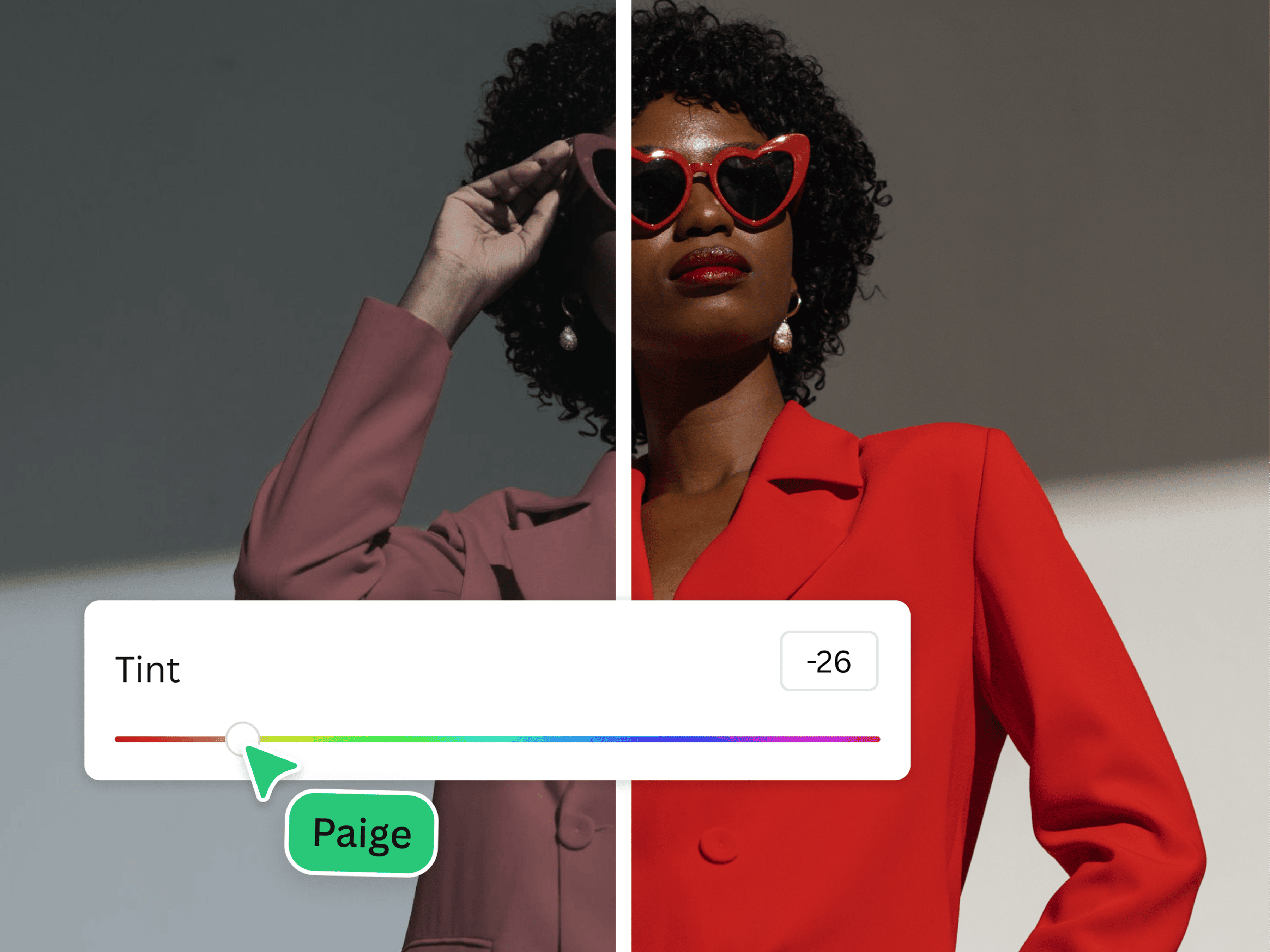
The virtual influencer economy predates the current tooling by years, which proves the demand is real. Lil Miquela, the Los Angeles-based virtual character, has collaborated with major fashion houses and accumulated millions of followers. Imma, the Japanese virtual model, fronted campaigns for global brands including home furnishing giants. These are not experiments; they are careers, managed like talent, with the AI part fully disclosed and part of the appeal.
The newer wave is more aggressively commercial. Aitana Lopez, the pink-haired virtual model created by a Barcelona agency, reportedly earns around ten thousand euros a month from brand deals and subscriptions, and her owners describe her as a solution to the temperamental economics of human influencer marketing. H&M created digital twins of real models for campaigns and social content, paying for likeness rights and, after public questions, clarifying the consent structure. The pattern is clear: when the synthetic option is disclosed and managed, brands buy it.
Notice what all the successful cases share. The famous virtual stars are characters, not impersonations, and nobody mistakes them for humans, which paradoxically protects their credibility. The risky zone sits one notch below: avatars built to pass as ordinary customers, endorsing products as if they had skin in the game. That is where AI UGC ads meet the same trust and legal questions as deepfake ads, and where disclosure stops being optional.
How AI UGC ads are actually produced
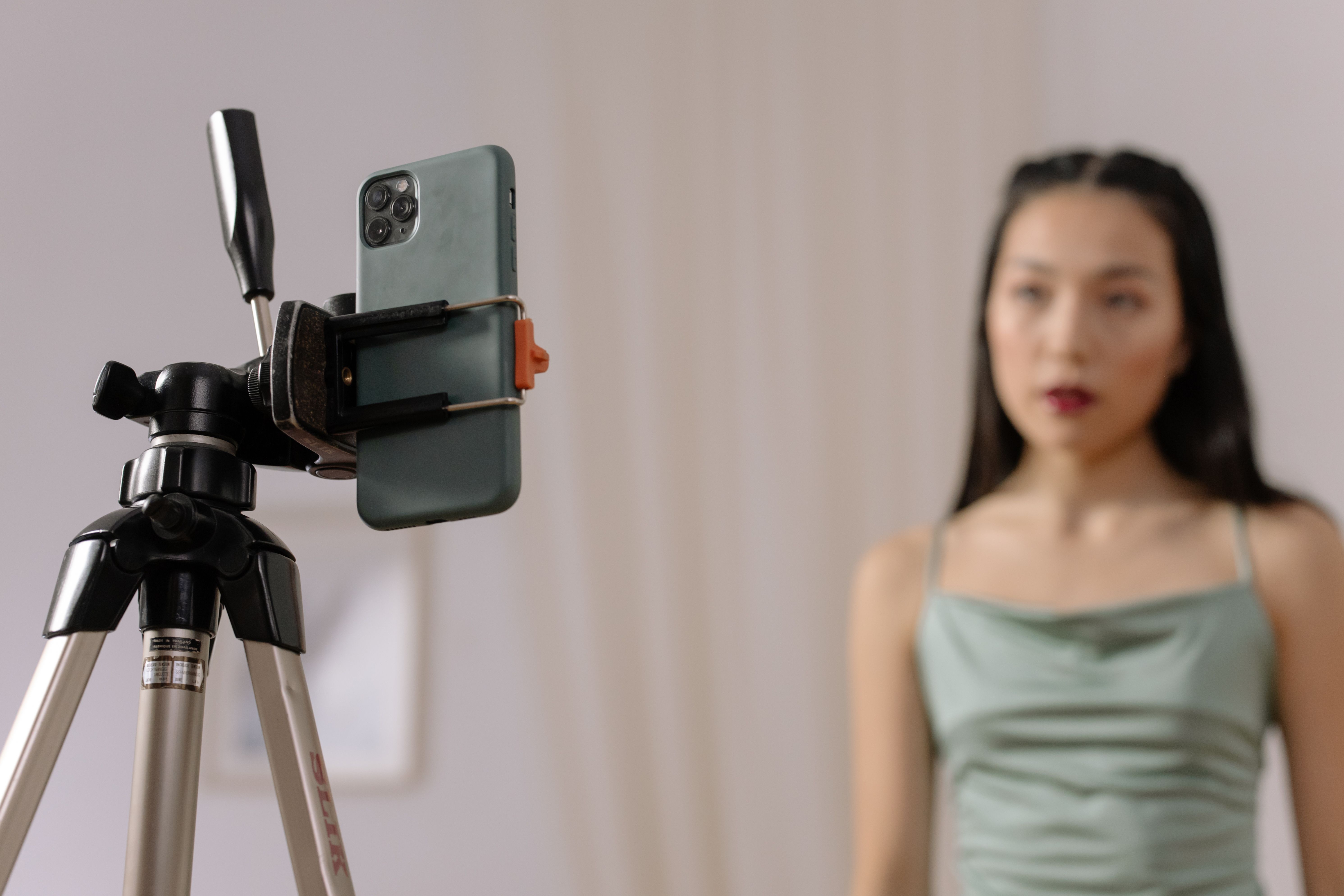
The pipeline is simpler than most people expect. You write a hook-first script, pick or build an avatar, generate the talking video, add captions and cutdowns, then ship variants into your ad account. Tools like Arcads, HeyGen and Captions compress the whole loop into under an hour, and the quality floor rises every quarter. A team that once bought five creator videos a month can now test fifty hooks in the same window.
The AI UGC ads production pipeline
Step five, emphasized
Step five is where most teams stumble, and it deserves emphasis. The tools make hiding synthetic origin easy, and the temptation is real because disclosed AI presenters sometimes underperform hidden ones in the first seconds. Resist it. Platforms increasingly require the label, regulators are converging on the same rule, and one exposed cover-up costs more than any hook test can recover. Our guide on AI ad regulations covers the disclosure rules arriving through 2026.
The economics: what you save and what you risk
The savings are straightforward. A mid-tier creator video can run from a few hundred dollars into the thousands, with days of turnaround, while a batch of AI UGC ads costs a subscription plus minutes. Localization multiplies the gap, because an avatar re-voices into a dozen languages for free. For a small brand testing offers, that math is not close, and pretending otherwise would be dishonest advice.
AI avatars versus human creators, honestly
| Dimension | AI UGC ads | Human creators |
|---|---|---|
| Cost per video | Subscription-level once running | Hundreds to thousands each |
| Speed and volume | Dozens of variants per day | Days per batch, calendars booked out |
| Localization | Voices and lips re-rendered cheaply | Re-shot or subtitled at real cost |
| Trust with lived experience | Borrowed, and audiences sense it | Earned, and compounds over years |
| Risk profile | Disclosure duties and backlash if hidden | PR surprises, scheduling, rate hikes |
The risk column is where the savings get audited. Hidden synthetic presenters, once exposed, convert a performance win into a credibility story that outlives the campaign. Over-tested avatars also flatten brand voice, because forty hooks from one template all share the same synthetic spine. And platforms keep tightening rules on unlabeled synthetic media, so the compliance cost of the shortcut is rising even as the tool cost falls.
There is one more cost that rarely appears in vendor decks: audience fatigue. Feeds are filling with visibly synthetic presenters, and early data from engagement studies suggests viewers increasingly skim past anything that reads as avatar-made. The effect is manageable when you mix formats and keep human faces in rotation. It becomes a cliff when your entire creative library shares one synthetic smile, because the audience learns to skip your brand by sight.
Where real creators still win

Human creators keep a durable lead anywhere lived experience carries the message. A parent reviewing a car seat, a freelancer comparing accounting tools, a patient describing a health product: these convert because the audience believes the person has stakes. Avatars can simulate the words, and increasingly the delivery, yet they cannot supply the history. In trust-heavy categories, hiring the human is not sentimentality; it is the correct media buy.
The second human advantage is compounding. A creator’s audience is an asset that grows with every post, and their endorsement carries forward into the next campaign, while an avatar resets to zero recognition each time unless you invest in building its character deliberately. Virtual stars like Miquela prove the compounding is possible for synthetic faces, but note what it required: years of consistent character work, a disclosed fiction the audience agreed to enjoy. That is a media business, not an ad generator.
The practical answer for most budgets is a blend with a deliberate ratio. Use AI UGC ads to test hooks and offers cheaply, keep human creators for the campaigns where belief drives the purchase, and promote your proven synthetic hooks into human-shot finals when the winner needs credibility to convert. Teams that blend this way report the best of both columns, and the blend itself becomes a creative advantage competitors cannot copy quickly. Our AI marketing automation guide shows how to schedule the blend without doubling your workload.
Disclosure: the line that keeps it clean
The fastest way to ruin an AI UGC ads program is also the most common: hiding the synthetic part. The temptation is structural, because disclosed avatars sometimes lose the first two seconds of attention, and performance dashboards reward those seconds. But hidden synthetic presenters are one screenshot away from a credibility story that outlives every campaign, and platforms keep tightening the rules around unlabeled synthetic media anyway. The disclosure line is not primarily legal; it is the difference between an efficient tool and a slow-motion trust accident.
Practical disclosure has matured beyond the awkward caption-era. On-creative labels in the corner, a consistent branded intro line, and a standing about-page note all work, and none of them measurably hurt conversion in most tests after the first week. The audience response to clean labeling is remarkably consistent: skepticism at second one, judgment on merit by second five. Our AI UGC ads playbook advice to smaller brands is therefore simple, and it doubles as the growth strategy: label everything, keep one face consistent per brand, and let the disclosure sentence do the trust work the avatar cannot.
A 30-day test plan for AI UGC ads
Theory is cheap, so here is the month that decides whether synthetic presenters belong in your mix. Week one, produce your next creator batch entirely with AI UGC ads tooling, keeping scripts, offers and budgets identical to a recent human batch. In week two, ship both batches against the same audience slices, with disclosure on the synthetic set, and hold your spending nerve while the learning phases cycle. By week three, compare the full picture: cost per outcome, watch-through, comment sentiment and any branded search movement.
Week four is the verdict, and it should be written down in one paragraph per format: where avatars won, where humans won, and where the blend outperformed both. Most teams discover the pattern this site keeps describing, with AI UGC ads winning volume and hooks while human creators win the trust-heavy finals, and the blend beating both extremes. That paragraph becomes your creative policy, and it will save you a year of arguments, because it is evidence instead of taste.
One boundary note completes the picture, because the avatar economy is already testing it. Synthetic presenters should never review categories where human stakes carry the message, including medical advice, financial decisions and anything involving children. AI UGC ads can borrow tone, energy and format, but they cannot borrow a lived body, and audiences extend zero grace when that line is crossed for conversions. Draw the boundary in policy now, before a performance dashboard tempts someone to redraw it mid-campaign.
Frequently asked questions
What are AI UGC ads?
They are user-generated-content style ads where the presenter is synthetic: an AI avatar, digital twin or generated actor delivers a creator-style review or hook. The format imitates the casual phone-video ads that dominate feeds, while the production happens in software rather than on a phone.
Are AI UGC ads effective?
For direct response offers, yes, often matching human creator performance at a fraction of cost, because the hook and offer carry the conversion. For trust-heavy categories, human creators still outperform, so the honest answer depends on what your buyer needs to believe before purchasing.
Do I have to disclose that an ad uses an AI presenter?
Platform rules and emerging regulations increasingly require it, and best practice says disclose regardless. Hidden synthetic spokespeople are the fastest route to the same backlash cycle that hit early deepfake ads, and our AI ads guide tracks how audiences punish the cover-up more than the technology.
How much do AI UGC ads cost?
Tool subscriptions typically run from tens to a few hundred dollars monthly, which covers dozens of videos, so cost per finished ad collapses compared to creator rates. Budget for scripting and review time as well, since unedited output erodes brand voice within weeks.
Which tools are best for AI UGC ads?
Arcads, HeyGen and Captions lead the talking-avatar category, and our best AI ad generators guide compares them alongside the static and platform-native tools so you can build a full stack for less than most creators charge for a single batch.
The bottom line
AI UGC ads did not kill the creator economy; they killed the excuse for untested creative. Avatars win the volume game on cost and speed, humans win the trust game on lived experience, and the brands winning right now refuse to pretend otherwise. Disclose the synthetic, save the humans for the moments belief converts, and treat every avatar hook as a draft the audience gets to grade. That blend, not either extreme, is where the feed is heading.
Keep reading
Sources and further reading
- Business Insider reporting on virtual model earnings including Aitana Lopez — businessinsider.com
- Reuters coverage of H&M’s digital twin models and consent terms — reuters.com
- Variety on virtual influencer brand deals and the Lil Miquela economy — variety.com
- Marketing Brew on creator economy shifts and synthetic content — marketingbrew.com
- The Verge on avatar generation tools for marketers — theverge.com
- TechCrunch on startups building AI presenters for ads — techcrunch.com