
In reality, every tool below will happily generate an ad for you by Friday. That is exactly the problem, because dozens of best AI ad generators lists read like the vendors wrote them. So this one runs the other way: nine tools that actually matter in 2026, judged on output quality, speed, price honesty and the one thing most reviews skip, whether the creative survives contact with a real audience.
A promise before the list. No tool here pays for placement, and several categories are deliberately missing because they duplicate each other. You will find one platform-native giant, one search-native giant, one retail giant, four specialist tools that earn their subscriptions and one video suite. If you have never used AI advertising tools before, this list is a shopping shortcut. If you have, it is a sanity check.
In this guide
The 30-second answer
For most teams, the best AI ad generators right now are the ones already inside the platforms you pay for: Meta Advantage+ and Google Performance Max handle both creative and delivery. Add one specialist for static ad creative, one for avatar video, one for layout automation and one video suite, and you are covered end to end. Anything beyond that stack is hobby spending, because the tools overlap more every quarter.
Key takeaways
- Platform-native tools such as Advantage+ and Performance Max are the default first pick.
- Specialists still win on specific jobs: statics, avatars, layouts and video.
- Output quality matters less than testing speed, because volume is the real feature.
- Every tool needs a human gate, or your brand voice dissolves within weeks.
- A one-week structured test tells you more than any review, including this one.
What you’ll learn
The route through this guide
- How we tested, and what separates a good tool from a demo
- All nine tools, grouped by the job they actually do
- One comparison table with prices and honest caveats
- A one-week testing protocol you can run on any tool
- Five answers to the questions buyers ask before swiping a card
How we tested, and what good looks like
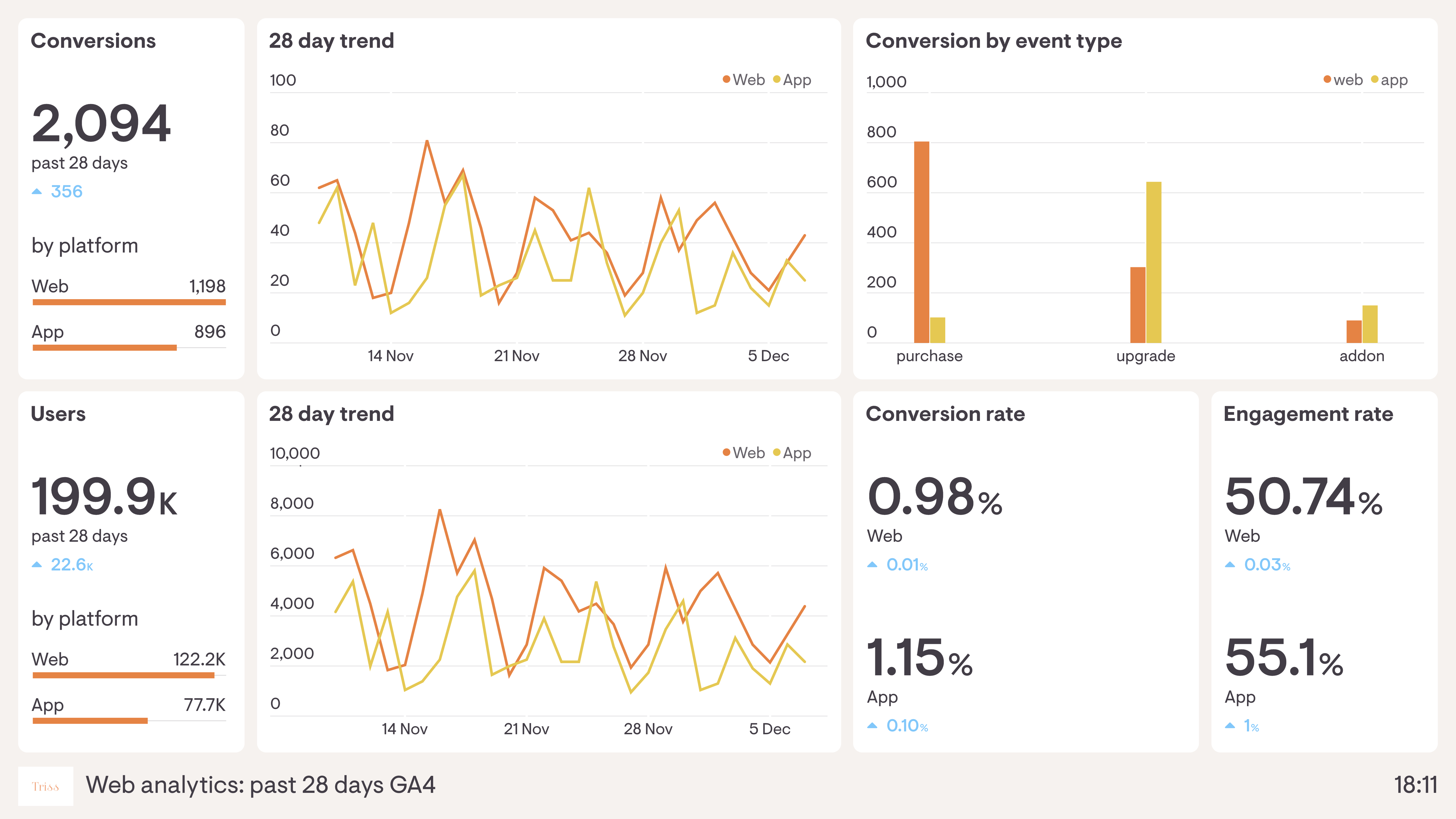
Each tool ran the same gauntlet. We generated static ads, a video variant set and a full campaign structure where the tool supports it, then scored four things: how close first drafts land to on-brand, how many usable variants a competent user ships in an hour, how clean the export into real ad accounts is, and how honest the pricing feels at small scale. We also watched what the tool does when you feed it mediocre inputs, because real teams feed tools mediocre inputs constantly.
One bias disclosed upfront: we weight believability heavily, because creative that wins clicks but embarrasses you in the comments is a net loss. The best AI ad generators of 2026 are the ones that make honest volume cheap, not the ones that make weird volume easy. That judgment colors the rankings below, and if your goal is pure click farming, you may reasonably disagree. Our guide on how AI ad targeting works pairs well with this one, since creative and delivery now share a brain.
The nine best AI ad generators this year
Meta Advantage+: the default inside the machine
Advantage+ is not a standalone app; it lives inside Meta Ads and automates creative generation, audience finding and budget in one motion. The generative features produce background variations, expand images and draft text variations from your product feed. Output alone will not win awards, yet it ships directly into the largest performance engine in advertising, and the platform’s own reporting credits its AI systems with meaningful conversion lifts. Pick it first, and treat everything else as a complement.
Google Performance Max: the search-side twin
PMax runs across Search, YouTube, Display, Gmail and Discover from one campaign shell, with AI assembling your headlines, descriptions, images and videos into every format. The asset generation features now include image editing and, for some advertisers, generated video scenes. It is less flashy than the specialist tools and infinitely better distributed, so for search-led businesses it remains the strongest single member of the best AI ad generators club.
Amazon’s AI creative studio: the retail shortcut
Amazon’s generative suite turns a plain product image into lifestyle scenes, brand backdrops and short video, aimed squarely at sellers. Quality on hero products is genuinely impressive, and the price model fits marketplace economics. The catch is obvious but worth stating: it only makes ads for things sold through Amazon’s ecosystem. If your catalog lives there, it is arguably the highest-return entry in this entire list.
AdCreative.ai: the static specialist
AdCreative is the ad creative generator of the group: it builds conversion-focused static ads and scores them before you spend, turning creative into a prediction game rather than a taste contest. The output style skews direct-response, so brands with soft visual identities should temper it with brand kits. Among the specialist AI advertising tools, it earns its seat through scoring volume: hundreds of scored variants per hour changes how a small team works.
Arcads AI: the talking-ad factory
Arcads produces short talking-head video ads from scripts using a library of AI actors, tuned for the TikTok and Reels hook format. The actors are synthetic and the disclosure question is real, so read our AI UGC ads guide before scaling this channel. Used honestly, it collapses the cost of testing thirty hooks in a day, which is precisely the job direct-response teams hire it for.
Creatopy: the layout machine
Creatopy automates the unglamorous half of advertising: producing every size, language and version of a campaign without a designer redoing the file thirty times. You build one master layout, and the platform generates the full matrix with brand rules enforced automatically. For teams that localize, this is the least exciting and most reliably valuable pick among the best AI ad generators, because version chaos is where campaign weeks go to die.
Canva Magic Studio: the generalist
Canva folds text-to-image, brand voice, resizing and video basics into the tool most small teams already open on Mondays. It will not out-generate AdCreative on scored statics or Arcads on actors, yet it covers eighty percent of daily ad tasks inside one familiar subscription. Treat it as the glue in your stack rather than the specialist, and it quietly pays for itself every single month.
Icon: the campaign copilot
Icon is the new-school entry: an AI campaign manager that plans, generates and launches paid social creative with performance tracking built in. It moves fastest, changes most often, and fits founders who want an ads team in a browser tab rather than a collection of point tools. The trade is control and maturity, so larger teams should pilot it on one product line before handing it the whole account.
Runway: the video suite
Runway remains the professional’s pick for AI video work inside advertising: generative fills, style control, inpainting and shot extension wrapped in a timeline editors actually respect. It demands more skill than the point-and-shoot tools, and it rewards that effort with frames that hold up in a brand context. When a campaign needs video that looks directed rather than generated, this is the first of the AI creative tools senior teams reach for.
The best AI ad generators compared

Nine AI ad generators, honestly compared
| Tool | Best for | Real caveat |
|---|---|---|
| Meta Advantage+ | Full-funnel Meta campaigns with built-in creative AI | Less manual control than veteran buyers expect |
| Google Performance Max | Search-led teams wanting one campaign everywhere | Black-box reporting frustrates analysis lovers |
| Amazon AI creative studio | Marketplace sellers with weak product imagery | Only serves the Amazon ecosystem |
| AdCreative.ai | Scored static ads at high volume | Direct-response look needs brand tempering |
| Arcads AI | Fast talking-head hooks for TikTok and Reels | Synthetic actors raise disclosure duties |
| Creatopy | Version and localization matrix at scale | Setup discipline required or chaos wins |
| Canva Magic Studio | Small teams wanting one generalist subscription | Specialist tools beat it at specific jobs |
| Icon | Founders wanting campaign copilots, not point tools | Young product, moving fast |
| Runway | Professional AI video inside brand campaigns | Skill floor higher than casual tools |
Prices move quarterly, so the table skips exact numbers on purpose; every vendor listed offers a trial or a free tier, and the honest pricing test is your first month’s usage against your first month’s invoice. One structural note: the best AI ad generators increasingly bundle delivery with creative, which quietly locks you into a platform. Keep at least one tool in your stack that exports clean files to any channel, or the lock-in will price itself in later.
How to test any tool in one week
- Pick one live campaign with real spend and a known baseline number to beat.
- Feed the tool your genuine brand kit and your three best-performing past ads as reference.
- Generate at least twenty variants and ship the top five by the tool’s own scoring.
- Spend the same budget you normally would, and judge on cost per real outcome only.
- Kill or keep on day eight, and write the verdict down where your team can see it.
That protocol exists because demo creative lies in one specific way: it is judged by people who know what the tool is supposed to do. Real audiences judge only what they see, in a feed, mid-scroll, next to your competitor. The week-long test removes the bias, and the written verdict prevents the slow drift where subscriptions accumulate because nobody wanted to decide. Our AI marketing automation for small teams guide turns this habit into a monthly review loop.
One more testing rule from hard experience. Never test a new generator during your peak season or on your hero product, because first-generation output from any tool is its worst output. Run the trial on a secondary line, learn the tool’s tells, and only then promote it to the campaigns that pay the rent. The teams that skip this step usually blame the tool for their own timing.
The stack, not the winner
Every few months a new list declares a single best AI ad generator, and every list is wrong in the same way. The tools are converging on the same generation quality, so the differentiator is fit: which jobs your team actually performs weekly, and which platform your money already lives in. A search-led retailer has almost no overlap with a TikTok-native startup, yet both would read the same top-five list and both would waste the same first month.
The honest framing is a stack with slots. Delivery sits inside Meta or Google by default. One specialist covers your worst bottleneck, which is statics for most teams and video for the rest. One generalist absorbs the long tail of daily tasks. Everything beyond three slots is duplication with better marketing, and the stack should be reviewed quarterly, because vendors merge, pivot and reprice constantly. The best AI ad generators are the three your team opens without being asked, and that sentence is less cute than it sounds: usage is the only benchmark that survives contact with a real calendar.
The five tool traps of 2026
The market has matured enough to have failure patterns, and the best AI ad generators cannot save you from any of them. Trap one is the demo gap: tools are sold on their luckiest output, and your account will not see that output daily. Trap two is the seat tax: every tool adds a learning curve, and three half-learned tools lose to one mastered one. The third is brand drift, the slow slide toward a generic house style that emerges when everyone in your market uses the same defaults.
The fourth is the data debt trap, where a generator scores creative against the wrong conversion history and confidently optimizes toward yesterday’s mistakes. The fifth is the contract trap: annual seats bought during a quarter of enthusiasm, then paid for by teams that have already moved on. Every trap has the same partial antidote, which is the one-week test protocol above, plus a quarterly review with the authority to cancel. The best AI ad generators are bought twice a year at most, and never twice a quarter.
A final word on timing, because the question behind most purchase decisions is whether to wait. The tools will keep improving, and the prices will keep softening, but the teams compounding experience with the best AI ad generators this quarter are building libraries, prompts and review instincts that later adopters cannot buy. Waiting optimizes for features; starting optimizes for skill. The market’s history so far favors the skill, because every capability wave has rewarded the teams who arrived with judgment already trained on last year’s tools.
Frequently asked questions
What is the best AI ad generator for beginners?
Start inside the platform you already advertise on, which means Advantage+ for Meta spenders and Performance Max for Google spenders. Both generate usable creative with zero new subscriptions, and you can add a specialist once you know your bottleneck.
Are AI-generated ads allowed on ad platforms?
Yes, all major platforms accept AI-generated creative, and several encourage it with native tools. The obligations sit around disclosure for synthetic people and honest claims, so check our AI ad regulations guide before running avatar or celebrity-style creative.
How much do AI ad tools cost?
Platform-native features are free with your ad spend, while specialists range from roughly twenty dollars a month for generalists to hundreds for team plans. Judge cost against one month of real outcomes, never against feature lists.
Will AI ads replace designers and copywriters?
They replace tasks faster than roles: generation, resizing, variant production. The judgment layer, what to promise and what to refuse, keeps hiring humans, which is why every tool in this list works best with one named person approving output.
Which tool makes the most realistic video ads?
For talking-head style ads, Arcads is the fastest route, while Runway gives directed-quality results with more skill required. Our AI video ads guide covers the model-level tools like Sora and Veo that sit behind this category.
The bottom line
The best AI ad generators in 2026 are less a leaderboard than a stack: platform giants for delivery, specialists for the one job that hurts, and one generalist for everything else. Test with real spend, judge with real outcomes, and keep a human gate on every promise, because that is what separates volume from noise. Pick your first two tools this week, run the one-week protocol, and let the dashboard settle the argument the vendors started.
Sources and further reading
- TechCrunch coverage of AI ad tool funding and launches — techcrunch.com
- Forbes reviews of AI advertising platforms — forbes.com
- Marketing Brew on advertiser adoption of generative tools — marketingbrew.com
- Business Insider reporting on Meta and Google AI ad features — businessinsider.com
- The Verge on model releases shaping ad generation — theverge.com
- Econsultancy research on AI tools for marketers — econsultancy.com