
In reality, Everything needed to write this AI advertising playbook already shipped in public. Coca-Cola stress-tested synthetic nostalgia on national television. In reality, a two-thousand-dollar spot reached the NBA Finals. Meta and Google automated the buying machine, regulators wrote the disclosure rules, and audiences graded every second of it. So this page contains no predictions and no tool worship, only moves that survived contact with real AI ad campaigns, arranged into a system a small team can run by Monday.
The thesis fits in a sentence: AI advertising works when machines carry volume and humans carry judgment, and it fails anywhere that ordering flips. Every move below exists to enforce that split, because the believability research, the platform economics and the enforcement headlines all point the same way. If you read only one article in this cluster, make it the main guide on AI ads; if you want the operating manual, this is the page.
In this guide
- The 30-second answer
- What you’ll learn
- The weekly loop that runs this AI advertising playbook
- The seven moves, one by one
- The 90-day AI advertising playbook rollout
- The measurement that keeps it honest
- Common failure modes, and the fix for each
- The weekly loop in fifteen minutes a day
- Frequently asked questions
- The bottom line
The 30-second answer
In reality, the short version is a loop, not a stack. Each week you gather signals, pick three honest moves, generate variants with AI, reject the fake-feeling frames by hand, ship with disclosure, and feed the numbers back. Seven moves make the loop real: a defined promise, a tool-per-job stack, a volume testing engine, a human gate, a disclosure habit, a believability metric and a quarterly prune. Ninety days of that loop beats any cleverness a consultant can sell you.
Key takeaways
- The AI ad workflow is a weekly loop: signals, picks, generation, human gate, disclosure, measurement.
- Seven moves enforce the split: AI does volume, humans own every claim.
- One tool per job beats a stack, and the platform giants are the default two.
- Disclosure is a design element, not a legal footnote, and it reads as honesty.
- Believability metrics belong beside click metrics, or the loop optimizes itself into cynicism.
What you’ll learn
The route through this guide
- The weekly loop that turns scattered tactics into a system
- All seven moves, with the reasoning and the failure each prevents
- A 90-day rollout that fits real calendars and real budgets
- The measurement layer that keeps automation honest
- Five answers to the questions teams ask before starting
The weekly loop that runs this AI advertising playbook

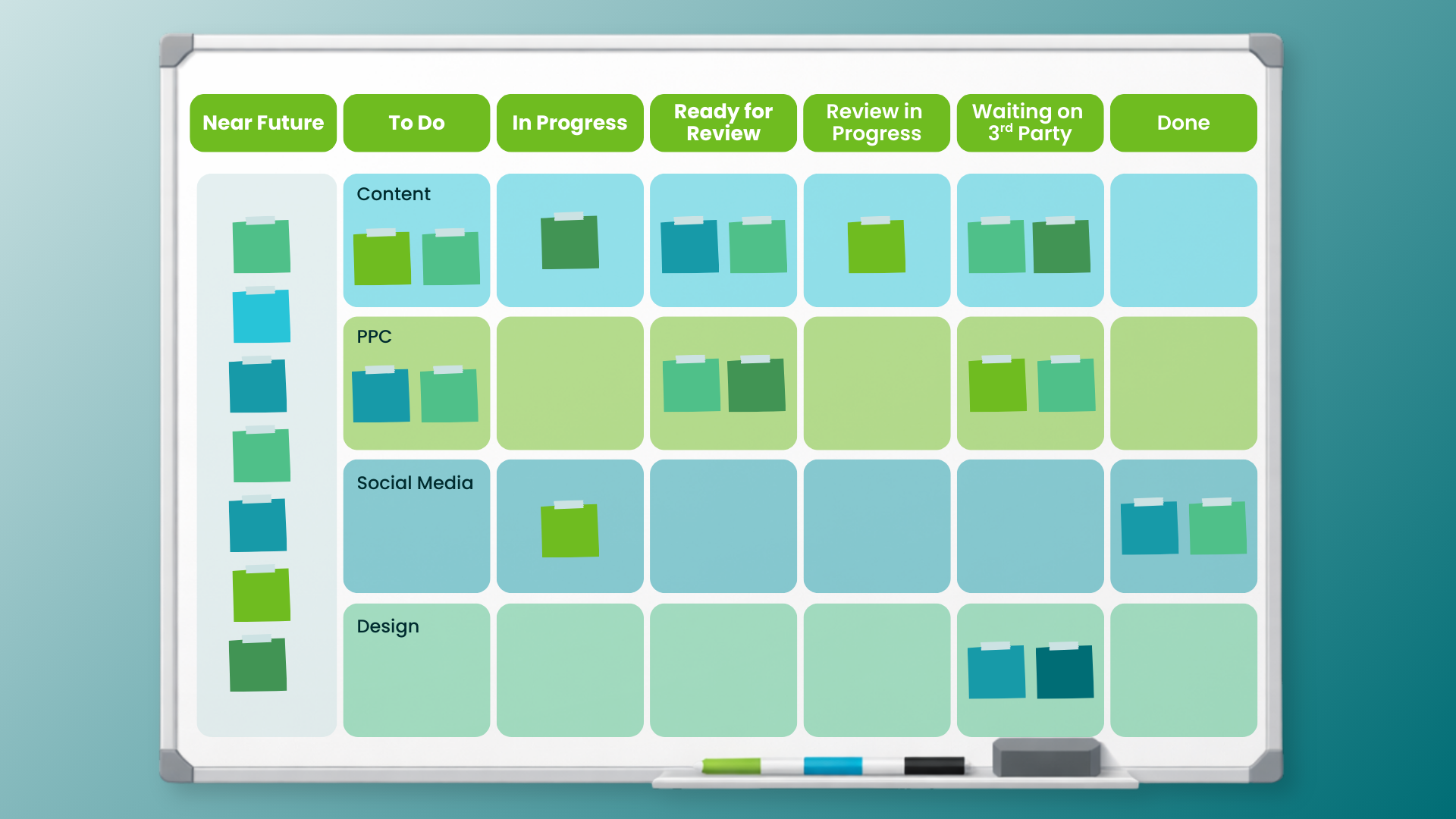
The loop exists because AI advertising fails quietly without one. Tools generate faster than teams review, campaigns drift from strategy to autopilot, and nobody notices until a comment section or a regulator notices first. So the playbook starts with rhythm. Monday, pull the numbers from every channel into one view. Tuesday, pick the three moves that matter and ignore the rest. Wednesday and Thursday, generate and gate. Friday, ship, disclose and log. The whole cycle costs a few focused hours, which is the point.
Volume without rhythm is where saved hours go to die, because a tool that saves ten hours and burns twelve in unstructured fiddling is a loss wearing a demo video. The loop converts the same hours into compounding decisions, since last week’s numbers plan this week’s picks. Teams report the strangest benefit first: the loop makes them ship less, because the Tuesday pick forces rejection before generation, and rejection is the cheapest quality control ever invented.
One structural note before the moves. The loop assumes you already understand what the machines do under the hood, from the retrieval and ranking pipeline to the reason creative became targeting. If that sentence felt like a different language, spend ten minutes with our guide to how AI ad targeting works first, because every move below assumes you know what the machine is optimizing. The AI advertising playbook is a steering wheel, and steering requires knowing the engine.
The seven moves, one by one
Move one is defining the promise. Before any generation, write in one sentence what the campaign claims and who it serves, because AI multiplies whatever you feed it, including vagueness. The single sentence becomes the test for every variant: if a generated hook implies a promise you would not say out loud to a customer, it dies in the gate. This move costs nothing and prevents more damage than every tool on this page combined.
Move two is the tool-per-job stack: the platform giants for delivery, one specialist for the job that hurts, one generalist for the rest. Move three is the volume engine, where AI earns its seat: dozens of honest variants per week, tested against the promise sentence rather than the whims of taste. Our best AI ad generators guide ranks that stack by job, and the one-week testing protocol there turns move three from theory into a repeatable routine.
Move four is the human gate, a named person who signs every claim, frame and offer before launch, because accountability does not generate. The fifth move is disclosure by design, with labels built into the creative so honesty ships automatically across markets. The sixth is the believability metric: alongside click and conversion numbers, track save rate, comment sentiment and branded search lift, the signals that move when an ad earns belief. The seventh is the quarterly prune, canceling the tools nobody opened and the variants nobody moved, because playbooks rot from accumulated leftovers.
The 90-day AI advertising playbook rollout

Systems fail at the start line more than at any obstacle, so the rollout deliberately starts smaller than your enthusiasm. Thirty days to stand up the loop, thirty to industrialize testing, thirty to scale what survived. The calendar below assumes a small team with a real workload, because a playbook that requires quitting your job to implement is a blog post, not a playbook.
The 90-day rollout, week by week
| Phase | Weeks | The work |
|---|---|---|
| Stand up | 1-2 | Write the promise sentence, pick the tool-per-job stack, define one honest conversion event |
| Stand up | 3-4 | Run the weekly loop on one campaign, gate every asset, ship first disclosed variants |
| Industrialize | 5-8 | Open the volume engine on a second channel, add the believability metrics, train the gate reviewer |
| Industrialize | 9-12 | Kill what underperformed, double what survived, document prompts and review notes as team assets |
The two checkpoints that matter
Two checkpoints protect the calendar. At week four, the test is rhythm: did the loop run four times, and did the gate reject real things? At week eight, the test is economics: does cost per honest outcome beat your old baseline, measured with the discipline of the statistics roundup in this cluster? If either checkpoint fails, the fix is almost always smaller scope, not more tools, because ambition is the only variable that reliably grows faster than results.
The rollout also leaves deliberate room for failure, which is what separates a playbook from a wishlist. Roughly a tenth of the weekly volume belongs to experiments nobody can justify, because that is where the next unfair advantage hides. Teams that skip the experiment budget optimize themselves into a local maximum and call it discipline. Teams that overspend on it call themselves agile while their core campaigns starve. The tenth is a policy, not a feeling.
The measurement that keeps it honest
Playbooks drift the moment measurement narrows to clicks, so the loop watches three layers. Layer one is performance: cost per real outcome, by channel and creative, with the conversion event defined so precisely a stranger could audit it. The second layer is believability: save rate, comment sentiment, branded search lift and, on video, watch-through on the promise line. The third is compliance drift: disclosure present, claims still substantiated, tools still documented, checked monthly the way you check smoke alarms.
The believability layer deserves defense, because it sounds soft next to a CPA column. It is not soft; it is leading. Comment sentiment turns weeks before performance does, save rates predict the next campaign’s floor, and branded search lift is the cheapest brand study ever invented. The industry’s own AI advertising playbook evidence keeps showing the same order: audiences discount what feels processed, so the teams that measure belief can spend performance budgets where belief already exists, and stop buying clicks from the cynical.
Measurement also closes the loop on the legal layer. Our AI ad regulations guide reduces 2026 compliance to five questions, and the monthly compliance check is those five questions run against your live ads, logged by the gate owner. Fifteen minutes a month buys you documentation that turns a regulator letter into a clerical exercise. Combine that with the statistics discipline of citing sources and baselines, and your campaign file becomes the kind that wins arguments quietly.
Common failure modes, and the fix for each
Every AI advertising playbook deserves an honest obituaries section, because the failure patterns repeat across teams with boring consistency. Mode one is the tool parade: stacking subscriptions while skipping the weekly loop, which produces impressive demos and no compounding data. The second mode is the ungated feed: generation shipped straight to platforms, where one uncanny frame or unapproved claim becomes the brand story of the week. The third is metric myopia: optimizing clicks until believability rots and performance explains the problem six weeks later.
Each obituary has the same fix, which is why the seven moves exist as a set rather than a menu. The promise sentence kills mode one by making tools answerable to strategy. The human gate kills mode two by making accountability a name, not a vibe. The believability layer kills mode three before performance has to. An AI advertising playbook fails exactly one move at a time, so audit the moves monthly, and treat any skipped move as the incident report, because it is.
The weekly loop in fifteen minutes a day
The rollout table assumes a weekly rhythm, and teams always ask what the rhythm costs daily. The honest answer is about fifteen minutes, structured like this: Monday planning picks the three moves, midweek slots handle generation and gating in two short sessions, and Friday closes the loop with numbers and a log line. The AI advertising playbook survives on those small sessions, because heroics are unsustainable and the loop is deliberately sized for the busiest month of your year, not the calmest.
The daily cadence also changes what the loop produces. Short, frequent sessions keep judgment fresh, which matters because gating quality decays with fatigue faster than any other step. Fifteen focused minutes catch the uncanny frame that a Friday marathon ships by accident. An AI advertising playbook is really a calendar with opinions, and the calendars that work are the ones a real team can keep during launch weeks, school holidays and the quarter everything goes wrong at once.
- Monday: pull the numbers, pick the three moves, write them where the team can see them.
- Midweek: generate the variants, gate every frame, and log rejections with one-line reasons.
- Friday: ship the survivors with disclosure, record the metrics, and feed the loop.
The playbook’s daily economics
- Fifteen minutes a day beats four hours a quarter, every quarter.
- AI advertising playbook habits are small enough to survive busy weeks, which is the design.
- The log you keep in week four is the strategy meeting you skip in week twelve.
- Small sessions protect judgment, and judgment is the product.
The culture objection, answered
The last objection to answer is the culture one, because teams resist loops as bureaucracy. The distinction that resolves it is who the loop serves. A reporting culture serves a boss, while this loop serves next week’s decisions, and the difference shows in what gets recorded: not status, but reasons. Why the variant died, why the claim changed, why the disclosure moved on-screen. An AI advertising playbook runs on those reasons, and the weekly log becomes the institutional memory that survives staff changes, agency switches and every tool migration the next five years will bring.
How the loop scales
Scale changes the loop’s furniture, not its spine. A solo founder runs the whole cycle in one sitting, while a marketing department splits the moves across owners with a shared log, and an agency runs one loop per client with the same seven moves underneath. That portability is the quiet achievement of the AI advertising playbook approach: the system compresses to one person and expands to a floor of specialists without changing a single rule, which is what a playbook is supposed to mean.
Where this goes next is already visible in the cluster’s data. Generation quality keeps climbing, disclosure keeps normalizing, and the believability gap keeps narrowing for brands that ship honestly at volume. The AI advertising playbook will need revisions, and its moves will mutate as platforms and regulators move. The loop itself, signals to picks to gated volume to measured belief, is the part that compounds, because it is built from the two things that do not depreciate: evidence and judgment.
Frequently asked questions
Is an AI advertising playbook right for a very small business?
Yes, and smaller teams often run it best because fewer owners means faster gates. Start with the platform-native tools and one specialist, keep the weekly loop to two hours, and let ninety days of data argue against any tool you cannot justify.
How much of my ad creative should be AI-generated?
Most teams settle around seventy percent AI-assisted production, twenty percent human-led storytelling and ten percent experiments, with every claim gated by a person either way. Publish no ratio externally; the ratio is a guardrail, not a badge.
What is the biggest mistake teams make with AI ads?
Shipping volume without a human gate, which converts speed into unreviewed claims, uncanny frames and eventually a credibility story. The second biggest is measuring only clicks, which lets believability rot invisibly until performance explains it too late.
How does the playbook handle disclosure and compliance?
Disclosure is built into the creative as a designed element, and the gate owner runs the five-question compliance check monthly, per our AI ad regulations guide. That turns rules into routine paperwork rather than launch-day panic, which is exactly what regulators are watching for.
Where should a team start if it has ninety days and no system?
Start with weeks one and two of the rollout table: one promise sentence, two tools, one campaign, one gate owner. Our 90-day AI adoption roadmap extends the same structure beyond ads into the rest of the marketing workflow, when you are ready.
The bottom line
The AI advertising playbook is unglamorous on purpose: one weekly loop, seven enforced moves, ninety days of compounding discipline, and three layers of measurement that include belief. The tools will keep changing under it, which is precisely why the system, not the stack, is the asset. Run the loop for a quarter, let the human gate own every claim, and the machines will carry more weight than you ever dared hand them, without carrying your reputation off the table.
Keep reading
Sources and further reading
- Harvard Business Review on AI strategy and marketing operations — hbr.org
- McKinsey research on organizational AI adoption — mckinsey.com
- Marketing Brew on practitioner experiences with AI campaigns — marketingbrew.com
- Forbes on marketing operations and automation trends — forbes.com
- Business Insider reporting on advertiser adoption and industry moves — businessinsider.com
- Econsultancy research on AI in marketing strategy — econsultancy.com