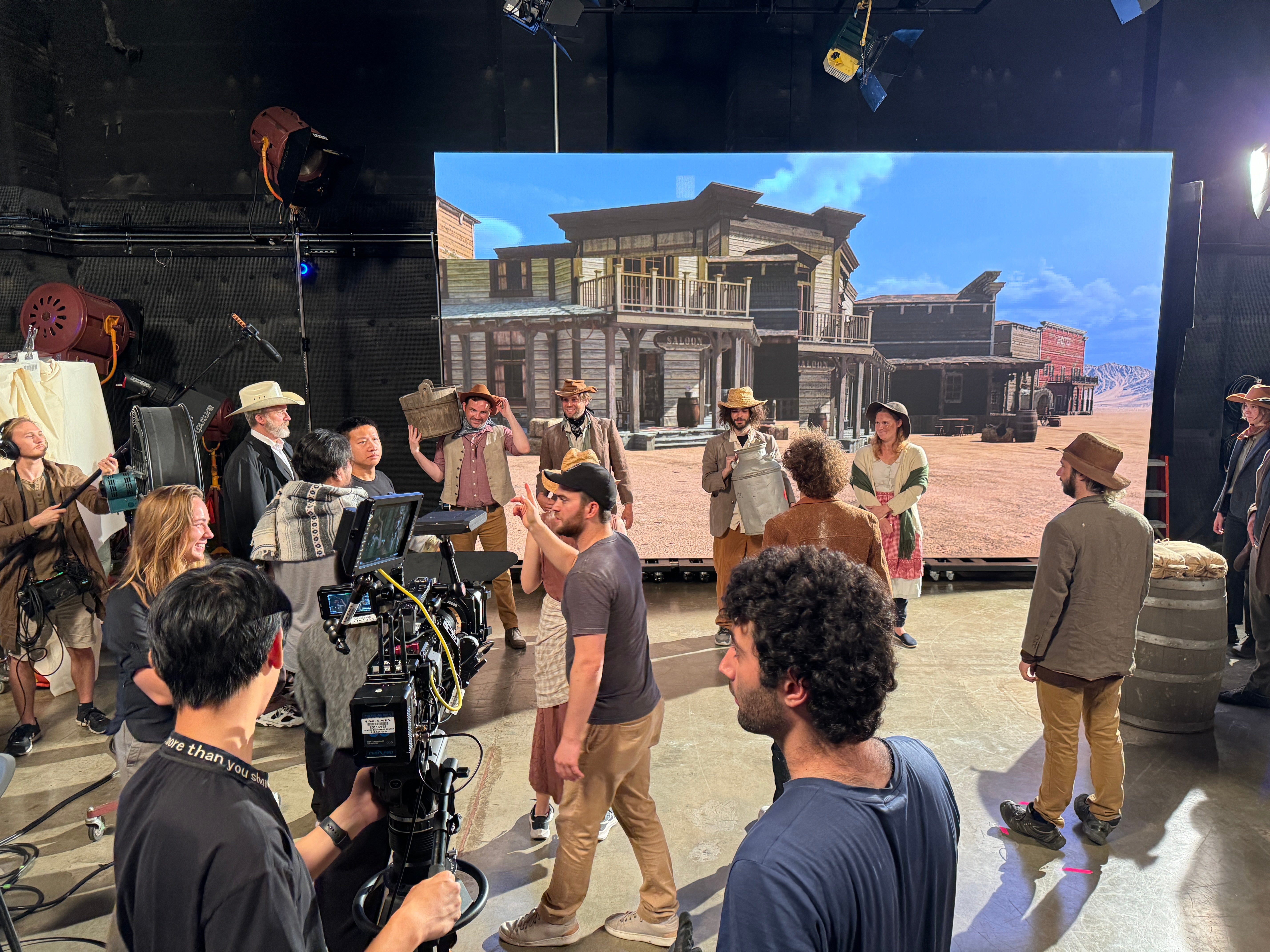
In June 2025, an ad for a prediction-market startup aired during the NBA Finals, the most expensive television inventory in America. It looked like a spot produced by a national agency, complete with shots that would have needed location days and a crew of dozens. The reported production budget was about two thousand dollars, and the whole thing was made with AI video ads tooling in roughly a day. Advertising’s most expensive skill just met its cheapest supplier, and everyone in the industry felt the floor move.
That Kalshi spot is the hinge, but the engine underneath is the real story. OpenAI’s Sora and Google’s Veo turned AI generated video ads and text to video advertising moved from party trick to production tool inside eighteen months, Netflix told advertisers AI-made midroll ads are coming, and brands from toy retailers to soda giants shipped generated spots that ranged from breathtaking to embarrassing. This guide separates the two lists honestly, because the gap between best and worst AI video ads is where your brand reputation now lives.
In this guide
- The 30-second answer
- What you’ll learn
- The model era for AI video ads
- The best AI video ads so far
- The worst, and what each failure teaches
- The new production economics
- A workflow that respects the audience
- Where the models still fail, frame by frame
- Sound, captions and the audio layer
- Frequently asked questions
- The bottom line
The 30-second answer
Here is the state of play. AI video ads work when they are honest about what they are: product films, stylized brand worlds, hooks tested at volume, localized variants. They fail when they impersonate reality, because audiences penalize uncanny humans and regulators penalize unlabeled synthesis. The winning workflow uses models for volume and editors for meaning, discloses synthetic footage plainly, and never lets the machine ship a claim a human would not sign.
Key takeaways
- Sora and Veo moved AI video ads from experiment to production inside two years.
- The Kalshi NBA Finals spot proved national TV on a shoestring is possible.
- Netflix plans AI-made contextual midroll ads, which mainstreams the format further.
- Uncanny humans remain the format’s biggest believability trap.
- Disclosure plus human editing is the difference between praised and roasted.
What you’ll learn
The route through this guide
- What the model era changed, technically and culturally
- The best AI video ads so far, with the reasons they worked
- The worst, and the specific lesson inside each failure
- The new production economics, with honest cost ranges
- A workflow that keeps velocity without losing the room
- Five answers to the questions brands ask before their first generated spot
The model era for AI video ads

Two technical jumps did the damage. First, consistency: Sora ads gained long-form coherence, Veo 3 advertising gained native audio with synchronized dialogue, and a generated clip could finally carry a scene, not just a texture. Second, control: camera direction, character reference and shot extension let creators aim the model instead of gambling on it. Together they turned weeks of motion graphics into an afternoon of curation, which is a change in kind, not degree.
The cultural change followed the technical one. Veo’s talking-animal vlogs flooded social feeds and trained audiences to enjoy synthetic footage openly. Sora’s app layer made generation social, which normalized the credit line. Studios published AI-assisted workflows, agencies built dedicated desks, and platforms shipped native tools. By the time Netflix announced AI contextual midroll ads for its ad tier, the audience had already met the format on its own feed, which is exactly why mainstream adoption got quiet approval instead of a panic.
For advertisers, the model era means video strategy no longer starts with the budget question. Every format your team could not afford, the origin story film, the multi-market localization, the forty hook variants, now prices as software. What has not changed is what the audience pays attention to, and the next sections show that the winners and losers of AI video ads differ on judgment rather than tooling.
The best AI video ads so far
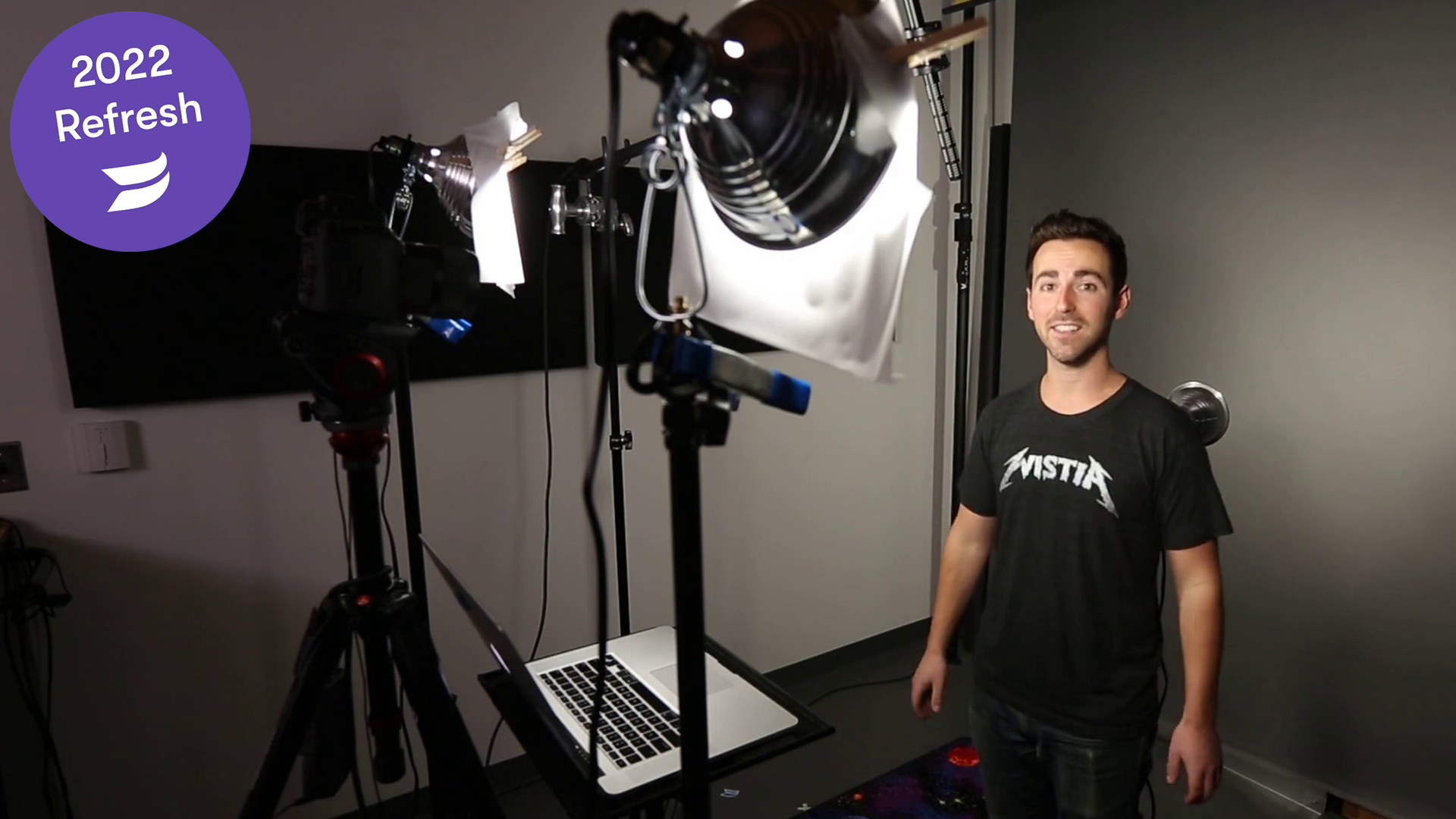
The Kalshi ad tops the list for what it proved. Made with Veo by a small team led by creator PJ Accetturo, it compressed concept, generation and edit into roughly a day, aired nationally, and drove a conversation loop most campaigns cannot buy. Its honesty helped: nobody pretended it was shot on location, and the film leaned into spectacle rather than impersonation. That is the template for small brands, because the ceiling moved from budget to idea.
The runner-up list repeats the pattern. Coca-Cola’s holiday pipeline generated tens of thousands of candidate frames before human curation shipped sixty, proving volume plus taste scales. Toy retailer brand films made with Sora showed generated worlds can carry nostalgia when disclosed as fantasy rather than passed as memory. Amazon’s product video generator quietly turns static listings into motion for millions of sellers, which is the unglamorous mass adoption nobody films a keynote about. Each success uses AI for what it is good at: worlds, variants and volume.
Notice the grammar across the winners. Human faces are scarce, disclosed or avoided entirely. The product is real even when the world is not. Editing standards stayed brutal, because generated dailies contain genius frames and horror frames in the same batch. Our main guide on AI ads formalizes that judgment layer, and the Coca-Cola case study shows what happens when nostalgia walks into the same pipeline.
The worst, and what each failure teaches
The failures cluster into four recognizable habits, and none of them are technical. There is the uncanny human spot, where a synthetic presenter smiles one frame too long and the comments turn forensic. Then there is the undisclosed montage, where generated footage passes as location reality until someone reverse-searches a frame. And there is the hallucinated product, where the model invents features the real item lacks, which converts beautifully and refunds bitterly. And there is the nostalgia remake, where a beloved human classic gets re-rendered and the audience grieves on schedule.
Each habit carries a specific lesson. Uncanny humans fail because trust roles belong to people, a rule the Super Bowl weather-presenter fiasco proved at national scale, so keep faces real, licensed or stylized. Undisclosed montages fail because provenance is becoming searchable, and platforms label synthetic media anyway, so the hiding costs more than the label. Hallucinated products fail because AI video ads invent confident details, so every generated frame needs a shot-by-shot fact check against the actual item. The nostalgia rule, as the Coca-Cola debate showed, is simply that memories are not remix material.
The fix, per pattern
Four failure patterns and their fixes
| Failure pattern | How audiences read it | The fix |
|---|---|---|
| Uncanny synthetic presenter | Fake spokesperson, scam energy | Real faces, licensed likenesses or honest stylization |
| Undisclosed generated footage | Deception, even when pretty | Plain on-creative disclosure and provenance metadata |
| Hallucinated product details | Misleading advertising | Frame-by-frame check against the real product |
| Remade beloved classic | Corporate cheapness, grief | Generate new worlds; leave memories alone |
One more failure mode hides underneath all four, and it deserves its own sentence. Generated spots ship fast, so teams skip the review stages that traditional production forced, and the errors that survive are judgment errors, not rendering errors. The pipeline did not remove the editor’s chair; it moved the editor from between takes to between frames. Teams that respect the new seat pass every table row above by construction.
The new production economics
The honest cost model has three tiers. At the bottom, subscription tools produce usable social footage for tens of dollars a month, which is why hook-testing exploded. In the middle, professional workflows combining generation with human editing land in the hundreds to low thousands per finished spot, exactly the Kalshi tier. At the top, brand films with bespoke training, art direction and compliance review still cost real money, because taste and accountability never automated. AI commercial production did not delete the budget; it redistributed it toward judgment.
The hidden line items deserve equal billing. Review time scales with generation volume, since every candidate frame needs eyes. Licensing questions need answers, because models trained on scraped footage keep producing settlement-shaped surprises, and characters need the same consent paperwork as celebrities. Disclosure design takes real minutes, and localization multiplies all of it. A team that budgets generation but not governance will discover the true price the first time a frame goes viral for the wrong reason.
For the tooling layer behind these budgets, from avatar platforms to professional suites, our best AI ad generators guide ranks the stack by job. The short version: subscription video tools for testing, professional suites for brand work, and platform-native generators for volume variants. Whatever you pick, keep one human as the named owner of every frame that ships, because that signature is what the audience and the regulator are actually checking.
A workflow that respects the audience
The honest AI video ad workflow
That workflow looks heavier than typing a prompt, and it is, because it moves the work rather than deleting it. What you get back is speed with a spine: hooks tested by the dozen at subscription cost, brand films at boutique cost, and a paper trail that turns regulators and audiences into routine checkpoints instead of emergencies. Our AI UGC ads guide extends the same pipeline to talking-avatar formats where the human question gets loudest.
Where the models still fail, frame by frame
An honest guide to AI video ads needs a failure anatomy, because the failures repeat with remarkable consistency. Physics bends first: liquids pour upward, fabrics weld through solid objects, and reflections disagree with their owners. Text and logos morph on close inspection, which is why every generated frame containing your brand name needs a specialist’s eye. Hands and teeth still drift at the edges of long shots. And continuity decays across cuts, so a character’s jacket changes buttons between the shot that sold the concept and the shot that shipped it.
The fix is procedural rather than technical: generated footage gets reviewed the way film dailies get reviewed, shot by shot, against a checklist that names the known failure modes. Teams that skip the frame-level pass ship the tells, and the tells are exactly what comment sections specialize in finding. AI video ads succeed at the pace of their weakest reviewed frame, not their strongest generated one, which is the single most useful sentence in this entire guide for anyone budgeting the edit phase.
Sound, captions and the audio layer
The silent film era ended in advertising a century ago, and AI video ads finally caught up when Veo-class models began generating synchronized dialogue and effects natively. Audio changes the format more than visuals did, because a generated spot now needs voice direction, not just frame curation. The failures are audible instantly: synthetic narration that over-emotes at wrong moments, effects that arrive a beat late, and ambient beds that disagree with the room on screen. Treat the audio layer as a department with an owner, and the spots stop sounding like demos.
Captions carry the first three seconds
Captions carry their own weight in the format, since most feed viewing starts muted. Generated footage plus hand-set captions is the current winning pairing, because caption timing is where comprehension gets won in the first three seconds. AI video ads that skip caption discipline lose the majority of their audience before the hook lands, regardless of how beautiful the frames are. The workflow conclusion is the same as the visual one: the model generates, and a human times, weighs and polishes every beat the audience actually experiences.
The audio-layer rules
- Voice direction is a craft role, and generated narration needs it as much as studio narration does.
- Sync errors read as amateur hour faster than any visual artifact.
- Captions are the first three seconds of every feed video, so they deserve the best editing hour.
- AI video ads win on sound only when someone owns the mix by name.
One production note rounds out the economics, because it changes team shapes rather than budgets. The scarce roles in AI commercial production are now taste and verification: a curator who knows what the brand sounds like, and a checker who owns every claim and likeness. AI video ads turned some crew hours into software, and simultaneously created a hiring profile the industry barely had five years ago. Teams that staff those two chairs early compound quality with every campaign, and the market is quietly paying a premium for the combination.
Frequently asked questions
Can AI video ads really air on national television?
Yes. A fully AI-generated commercial aired during the 2025 NBA Finals, and AI-assisted spots have run during the Super Bowl and across streaming. The bar is broadcast compliance, honest claims and disclosure, not the tool that made the pixels.
Do I need to disclose that an ad is AI generated?
When realistic footage could mislead viewers about what is real, disclosure is required by platform rules and increasingly by law, including the EU’s transparency regime. Stylized or obviously synthetic content still benefits from a label, because audiences reward the honesty.
How much does an AI-generated commercial cost?
Roughly a subscription for social-tier testing, hundreds to a few thousand dollars for a professional spot with human editing, and more for bespoke brand films. The Kalshi NBA Finals ad, reportedly near two thousand dollars, remains the public proof point.
Will AI video replace video production companies?
It replaces their middle layer: shoots that existed to capture simple, controllable footage. Direction, taste, accountability and complex live production stay human, which is why the strongest shops now sell judgment on top of generation rather than days on set.
Which model should I use for my first AI video ad?
Test with the tool matching your job: Veo for audio-included realism, Sora for stylized worlds, Runway for edit-control workflows, per our best AI ad generators comparison. Start on a minor product line, build review habits, then graduate to hero campaigns.
The bottom line
AI video ads after Sora and Veo split cleanly along judgment, not tooling: generated worlds with real products, disclosed labels and brutal editing earned attention at absurd new price points, while uncanny humans, hidden synthesis and remade memories paid for it. The two-thousand-dollar NBA Finals spot settled whether this was possible, and the next two years will settle who does it well. Budget for judgment, disclose like it matters, and let the machine carry the weight it was built for.
Keep reading
Sources and further reading
- The Verge coverage of Sora and Veo releases and capabilities — theverge.com
- Reuters reporting on Netflix’s AI contextual ad plans — reuters.com
- Variety on the Kalshi AI commercial that aired during the NBA Finals — variety.com
- BBC on the production debate around AI-made advertising — bbc.com
- TechCrunch on the video models behind modern AI ads — techcrunch.com
- AP coverage of brand experiments with generative video — apnews.com