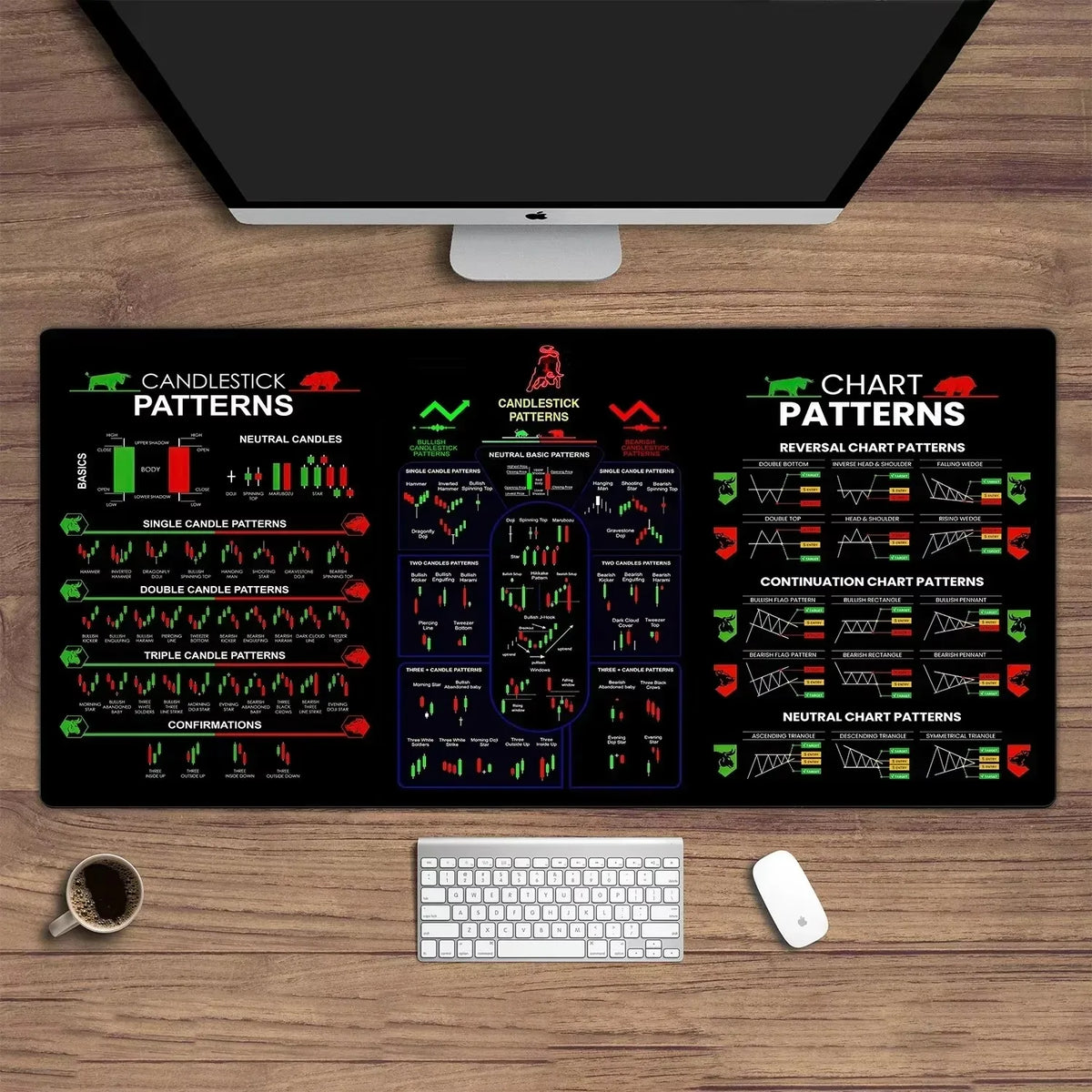
The market for AI tools for stock market analysis has exploded, and so has the confusion around it. In reality, every app now claims artificial intelligence inside, yet only a handful genuinely change how you research. Some scan the entire market in seconds. Others read filings such as a junior analyst who never sleeps. A few are expensive wallpaper. This guide sorts the real from the repackaged, tool by tool, with honest notes on who each one actually fits.
A quick promise before the list. Nothing here is financial advice, and no tool predicts the future, despite the landing pages. Also, what these platforms do well is compress hours of grinding work into minutes. That compression is worth real money, because the investor who understands five companies deeply beats the one who skimmed fifty headlines. In reality, choose tools that serve that goal.
In this guide
The 30-second answer
For most investors in 2026, the best AI tools for stock market analysis are TradingView for charts, TrendSpider for automated technical analysis, Trade Ideas for real-time scanning, Danelfin for explainable AI scores, Uptrends.ai for news sentiment and a large language model copilot such as ChatGPT for summarizing filings. Also, serious fundamental researchers add Stock Rover or Seeking Alpha. Prices range from free tiers to professional subscriptions, and the right pick depends on your style more than the biggest feature list.
Key takeaways
- In reality, real AI tools compress research time, from whole-market scans to filing summaries.
- Charting, scanning, scoring and sentiment are separate jobs; no single tool nails all four.
- Free tiers cover beginners surprisingly well before any subscription makes sense.
- Explainability matters: avoid black boxes that refuse to say why they flagged a stock.
- Tools inform decisions; they should never automate them by default.
What you’ll learn
The route through this guide
- In short, what AI tools for stock market analysis genuinely do, job by job
- Twelve reviewed tools with strengths, costs and best-fit profiles
- A simple method for choosing the right one for your style
- Where free tiers end and paying actually buys value
- The mistakes that turn helpful software into expensive noise
What AI tools for stock market analysis actually do
In short, strip the marketing and four jobs remain. Screening: ranking thousands of stocks by criteria you could never check manually, which is why the best AI stock screeners top most shortlists. Charting and pattern work: reading technical analysis signals across every timeframe at once. Research compression: turning filings, transcripts and news into briefings a human can absorb. Monitoring: watching your watchlist around the clock and shouting only when something matters. Meanwhile, nearly every credible product maps to one or two of those jobs.
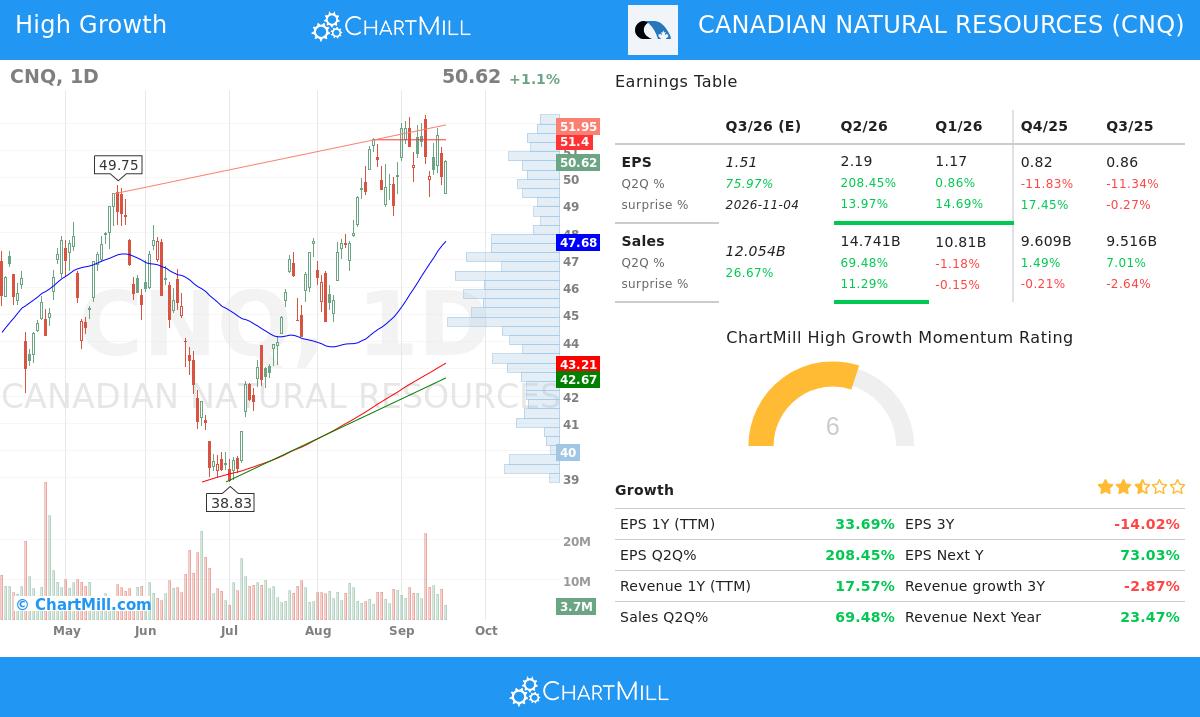
The jobs matter because the bundles lie. A stock research platform that promises everything usually excels at nothing, while focused tools stack beautifully. Meanwhile, a screener feeds a charting platform, which feeds a copilot briefing, which feeds your judgment. Think of it as an assembly line rather than a single appliance, and your subscription bill suddenly makes sense. The same logic explains why professionals run two or three focused tools instead of one overstuffed suite, and why the best stock analysis software earns loyalty through workflow fit rather than feature count.
One more distinction saves money: analysis versus execution. In particular, these tools study the market; they do not trade for you. If you want automation that places orders, that is a different and riskier product category, covered separately in our guide to AI trading bots. Also, keeping those worlds separate keeps your expectations honest and your account safer.
The 12 best AI tools for stock market analysis
Here are the twelve platforms that earned a place in 2026, ordered roughly from charting fundamentals-first workflows to specialist scanners. Each entry covers what it does best, what it costs and who should actually pay for it.
1. TradingView
TradingView remains the default charting home for millions, with clean charts, thousands of community indicators and a screener that covers global markets. Its AI story is pragmatic: pattern-flavored indicators and scripts that automate repetitive chart work. The free tier is genuinely usable, paid plans start around $14 a month, and almost every investor should start here before anywhere else.
2. TrendSpider
In fact, trendSpider automates the technical analysis most people do badly by hand. It detects trendlines, Fibonacci levels, candlestick patterns and support zones across every chart instantly, then backtests strategies without code. If chart patterns are your language, this is the strongest pure AI assistant in the category, with plans beginning near $40 a month after a trial.
3. Trade Ideas
Trade Ideas is the heavyweight real-time scanner, famous for its HOLLY AI assistant that surfaces unusual setups as they form during market hours. In fact, day traders live here; long-term investors rarely need this much horsepower. It is premium-priced, roughly $90 a month and up, and the learning curve is real, so treat it as a professional tool rather than a starter app.
4. Tickeron
Tickeron bundles pattern recognition, screeners and its AI Robots into one subscription, with confidence levels attached to each detected pattern. For example, the interface is busy and the upsells persistent, yet the pattern engine is genuinely useful for swing traders. A free tier exists for testing, and paid tiers step up from there, so sample before committing.
5. Danelfin
Danelfin scores US-listed stocks from 1 to 10 using AI that explains itself, showing which signals moved the grade and how the score evolved. For example, that transparency is rare and refreshing in this market. It suits fundamental-leaning investors who want a second opinion at scale, with a free tier for casual use and paid plans from around $19 a month.
6. Uptrends.ai
Uptrends.ai monitors financial news with AI, surfacing which stocks are gaining buzz, which headlines moved prices and when sentiment flips. For investors tired of being the last to know, it is a targeted answer. Pricing sits in the low tens of dollars monthly, and it pairs naturally with a charting tool rather than replacing one.
7. Stock Rover
Stock Rover is the fundamentals workhorse, with deep screening, scoring, portfolio rebalancing ideas and research reports on thousands of US stocks. It leans statistical rather than flashy, which serious long-term investors will appreciate. The free tier is generous for screening basics, and paid plans run from about $8 to $28 monthly depending on depth.
8. Seeking Alpha
Specifically, Seeking Alpha pairs its analyst network with Quant Ratings, factor grades that score value, growth, profitability and momentum mechanically. The Quant side behaves like a disciplined stock research platform, while the human side adds context machines miss. Specifically, expect premium pricing from roughly $20 a month billed annually, with frequent trials worth grabbing.
9. Zacks
To illustrate, Zacks built its reputation on the Zacks Rank, a quantified earnings-estimate system that has decades of published history. Its screeners and style boxes make it easy to translate research into shortlists. The interface feels dated next to modern apps, yet the underlying data engine remains respected, and a functional free tier exists alongside paid tiers.
10. Kavout
Kavout serves the quant-curious end of the spectrum, with machine-learning equity rankings, factor scores and data feeds that plug into bigger workflows. Retail traders will find it less turnkey than consumer apps; small funds and serious quints will feel at home. Pricing is custom, so this entry is about capability awareness rather than a checkout button.
11. LLM research copilots
ChatGPT, Claude and Gemini now function as freeform research copilots, summarizing filings, translating jargon and stress-testing your thesis on demand. Also, they are the cheapest AI stock research upgrade available, at free to $20 monthly. The catch is verification, because language models can confidently err; our tests of ChatGPT stock picks show exactly where they shine and where they stumble.
12. Bloomberg Terminal
The Bloomberg Terminal remains the professional benchmark, with AI-assisted search, instant transcripts and data depth consumer tools cannot match. At roughly $30,000 a year it is not a retail purchase, but it earns its slot for one reason: seeing what the pros pay for calibrates what you should pay. In addition, most retail investors need a fraction of it, which is exactly what the eleven tools above provide.
How to choose the right tool for you
In addition, start from your style, not the feature grid. Long-term investors doing fundamental analysis should prioritize Stock Rover, Seeking Alpha and a copilot. Besides, chart-driven swing traders belong with TradingView and TrendSpider. Fast-moving day traders need Trade Ideas or Tickeron, and news-driven investors get outsized value from Uptrends.ai. Match the tool to the decision you actually make, and the shortlist writes itself.
Then run the trial honestly for two weeks with your real watchlist. Tools feel different on your own stocks than on marketing screenshots, and trial periods exist precisely for this test. Be wary of anything claiming to predict stock trends with certainty, since that pitch belongs to a different and riskier category than analysis. And before connecting any new service, skim our guide to AI stock scams, because analysis platforms occasionally disguise subscriptions that are actually frauds.
Besides, one more selection rule saves both money and attention: cancel on a schedule. Put the renewal date in your calendar with a question attached, and answer it honestly on the day. Generally, tools you never opened stop renewing; tools that earned their keep stay without guilt. Subscription creep is the silent tax on every serious researcher, and a five-minute calendar habit is the only audit most people ever need.
Free versus paid: where money actually matters

Free tiers cover far more than most people assume. Generally, TradingView’s free plan, a quality LLM copilot and Danelfin’s free scores form a legitimate starter stack that costs nothing. Paid upgrades become worth it at three specific points: real-time data, backtesting depth and monitoring automation. If a subscription does not touch one of those three, you are usually buying wallpaper.
The twelve tools at a glance
| Tool | Best for | Cost feel |
|---|---|---|
| TradingView | Charts plus community indicators | Free tier, from ~$14/mo |
| TrendSpider | Automated technical analysis | From ~$40/mo |
| Trade Ideas | Real-time day-trading scans | From ~$90/mo |
| Tickeron | Patterns with confidence levels | Freemium, tiers above |
| Danelfin | Explainable AI stock scores | Free tier, from ~$19/mo |
| Uptrends.ai | News and sentiment monitoring | Low tens monthly |
| Stock Rover | Fundamentals research | Free tier, from ~$8/mo |
| Seeking Alpha | Quant Ratings plus analysts | From ~$20/mo annual |
| Zacks | Earnings-estimate ranking | Freemium |
| Kavout | Machine-learning rankings | Custom pricing |
| LLM copilots | Filing summaries and Q&A | Free to ~$20/mo |
| Bloomberg Terminal | Professional everything | ~$30k/yr |
Common mistakes that turn tools into noise
The same five errors show up again and again, and each one is cheap to avoid once named. Treat this as the pre-flight checklist before any subscription renews.
- Subscribing before defining your weekly workflow, which guarantees the tool gets used twice and forgotten.
- Trusting black-box scores that refuse to explain a single input behind the rating.
- Stacking three overlapping screeners instead of one screener, one copilot and one charting home.
- Ignoring data quality, because a brilliant model on stale prices still produces bad decisions.
- Confusing analysis with execution, which is how curious researchers wake up as unlicensed day traders.
Frequently asked questions
Are AI tools for stock market analysis worth the money?
Yes, when they compress work you actually do. A copilot that turns a weekend of filing reading into twenty minutes pays for itself immediately. Tools that automate tasks you never performed are entertainment, and pricing them as such keeps the budget honest.
What is the best free setup for stock analysis?
Combine TradingView’s free tier for charts, Danelfin’s free scores for screening and a large language model for filing summaries. That stack covers the four core jobs at zero cost. Upgrade selectively once a specific limitation starts costing you real decisions.
Can AI tools for stock market analysis predict prices?
No tool reliably predicts prices, and honest vendors stopped claiming otherwise. They rank probabilities, detect patterns and compress research. Software that promises guaranteed forecasts should be treated as marketing, or worse, as a scam in progress.
Do professional investors actually use these tools?
Yes, though usually deeper versions of them. Funds run Kavout-style models, pay for Bloomberg-grade data and build proprietary systems on top. The retail products above are honest subsets of that professional stack, minus the enterprise pricing.
How do I spot fake AI analysis platforms?
Demand explainability, audited claims and a working trial before paying. Verify the company behind the app, and cross-check any performance claims against regulatory warnings. Our AI stock scams guide lists the specific red flags, from guaranteed returns to cloned websites.
The bottom line
The best AI tools for stock market analysis do one thing exceptionally: they give you back the hours that research used to eat. Start with the free stack, match paid upgrades to your actual workflow and demand explanations from every score you rely on. Twelve tools made this list because each earns its keep for a specific kind of investor.
Whatever you choose, keep the human in the loop. The tools rank, summarize and watch; you decide, size and stay patient. That division of labor is the real feature, and it ships with every single option above.
Keep reading
Sources
- TradingView plans and market coverage documentation — tradingview.com
- TrendSpider feature and automation overview — trendspider.com
- Trade Ideas scanner and HOLLY AI documentation — trade-ideas.com
- Danelfin AI scoring methodology page — danelfin.com
- Seeking Alpha Quant Ratings explainer — seekingalpha.com