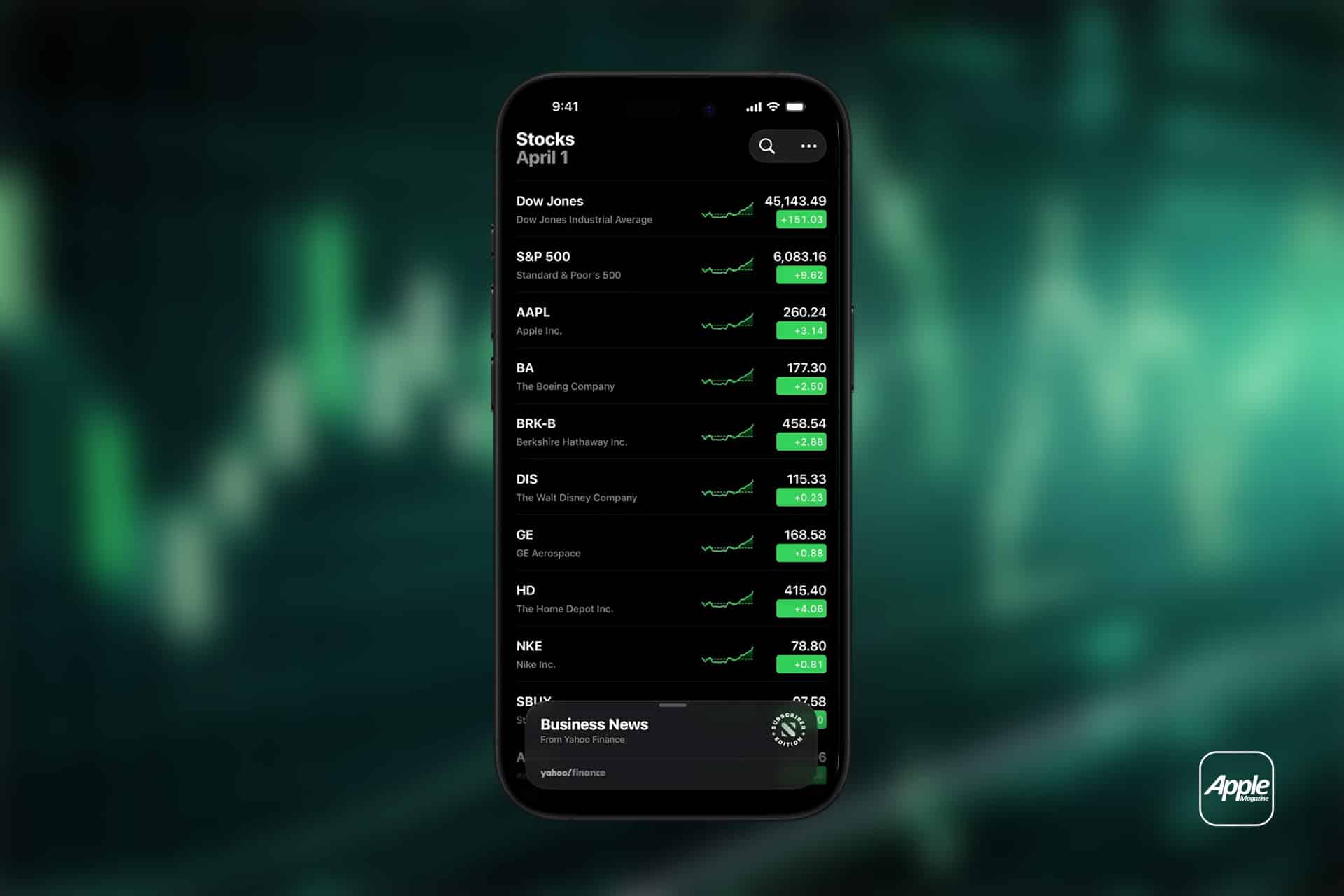
Open any finance app today and AI stock market tools are already working for you. They rank the movers, summarize the earnings calls and flag the weird volume before you finish your coffee. This is not a forecast about the future; it is the quiet default of the present. The interesting question is no longer whether AI belongs in investing. It is which of its seven real jobs actually make you a better investor.
The shift happened faster than most people noticed. BlackRock’s Aladdin platform has watched risk across thousands of portfolios for years, and Morgan Stanley armed its advisors with an OpenAI-powered research assistant. Meanwhile robo-advisors at Betterment, Wealthfront and Vanguard manage combined assets in the hundreds of billions for ordinary savers. So the AI stock market is not a prediction about tomorrow. It is infrastructure, and this guide shows you how to use it deliberately.
In this guide
- The 30-second answer
- What you’ll learn
- How the AI stock market shift happened
- Way 1: screeners that read the entire market
- Way 2: research copilots for filings and earnings
- Way 3: sentiment reading at machine scale
- Way 4: portfolio management on autopilot
- Way 5: risk monitoring and early warnings
- Way 6: scenario math before big decisions
- Way 7: coaching that finally fits your life
- The AI stock market tools worth your time
- Frequently asked questions
- The bottom line
The 30-second answer
AI helps investors in seven proven ways: screening the whole market instantly, summarizing filings and calls, scoring news sentiment, automating portfolio management, monitoring risk around the clock, running scenario math before decisions, and coaching better habits. Notice what is missing: guaranteed predictions. The gains come from speed, coverage and discipline, and every one of those compounds.
Key takeaways
- AI’s real gift is coverage: it reads what no human team could finish in a year.
- Screeners and copilots cut research time from weekends to minutes.
- Automated portfolio management keeps costs low and behavior calm.
- Risk monitoring works around the clock, even when you are asleep.
- Prediction gets the headlines, yet process improvements earn the returns.
What you’ll learn
The route through this guide
- How the AI stock market shift actually happened
- Seven proven ways AI improves the everyday investment process
- The tool categories worth adopting, and what to skip
- A simple weekly workflow that takes under an hour
- Honest answers to the questions investors ask most
How the AI stock market shift happened
Three waves built today’s landscape. First came automation of the boring stuff: rebalancing, dividend reinvesting and tax-loss harvesting. Then language models arrived, and suddenly software could read a 200-page filing and brief you in a paragraph. Finally, the tools went retail, with the same categories that power trading desks now priced for a lunch budget. Each wave lowered the cost of being a careful investor.
The institutional proof came first, as usual. Quant desks used machine learning years before the public noticed, and their infrastructure filtered down through APIs and apps. What retail investors get today is essentially last decade’s professional toolkit, minus the Bloomberg terminal bill. That is a genuinely historic transfer of capability, and most people with a brokerage account have not opened the box yet.
The retail layer is now mature enough to trust with real jobs. Screeners scan the entire US market before your coffee cools. Copilots read a 10-K and brief you over lunch. Automated portfolios rebalance while you sleep, and coaching apps nudge you away from the sell button on red days. The subscription cost for this stack runs from free to roughly the price of two streaming services. None of it guarantees returns, and that is precisely why it works: it improves the process, and process is the only thing an investor actually controls.
Way 1: screeners that read the entire market

A human analyst can follow maybe fifty companies seriously. AI stock screeners watch every listing at once, scoring value, growth, quality and momentum together. Instead of one more chart, you get a ranked shortlist with reasons attached. Our deep dive on AI stock screeners compares the leading options, including which ones are genuinely AI versus old filters wearing a new name.
The practical gain is focus. You stop scrolling and start deciding, because the machine already did the elimination round. Screeners also catch what biases hide: cheap stocks outside the headlines, quality names in boring industries, and red flags in companies you assumed were fine. Coverage, again, is the quiet superpower.
Way 2: research copilots for filings and earnings
Reading a 10-K cover to cover is a weekend project; doing it for a portfolio is impossible. Research copilots change the math entirely. They extract the risk factors that changed, quote the CFO’s exact hedging language and compare margins across years. Ask follow-up questions and they cite the page. The reading did not disappear; it just stopped being the bottleneck.
Earnings season is where copilots shine brightest. Prepared remarks, Q&A transcripts and guidance shifts get compared across quarters in seconds. You walk into an earnings call already knowing what changed, rather than scrambling afterward. For busy people, this single upgrade converts investing from a hobby that eats evenings into a process that fits a lunch break.
A concrete workflow shows the leverage. Feed the copilot your watchlist’s latest filings and ask what risk language changed since last year. It flags that a retailer quietly added supply-chain warnings it never mentioned before. That thread becomes your earnings-call question, and the company’s answer becomes your conviction, up or down. Total elapsed time: twenty minutes and one sharp question. The same loop, done manually, used to consume a Sunday.
Way 3: sentiment reading at machine scale

Prices move on mood long before fundamentals admit it. Sentiment models read thousands of headlines, posts and transcripts per hour, scoring fear and greed as they build. Tools built for this purpose, including services that track the AI stock market narrative cycle, can flag when enthusiasm gets ahead of evidence. That is context no single chart provides.
Used well, sentiment is a thermostat rather than a trigger. It tells you when the crowd is crowded, which is exactly when contrarian discipline pays. Software that claims to predict stock trends often leans on these same signals underneath, though it rarely says so. Knowing the mood does not replace knowing the business; it tells you the price the mood is currently paying.
Way 4: portfolio management on autopilot
Robo-advisors quietly became the adults in the room. They rebalance when allocations drift, harvest tax losses automatically and keep fees near 0.25% instead of 1%. The best ones, covered in our robo-advisor versus advisor comparison, enforce the behavior rules investors know but rarely follow. Automation does not feel exciting, which is precisely why it works.
The deeper value is emotional outsourcing. A machine rebalancing in a crash is not tempted to panic, because it has no feelings to manage. For most retail investors, that single feature adds more return than any stock pick ever will. Discipline scales beautifully when nobody has to feel it.
Way 5: risk monitoring and early warnings
Professional risk teams never sleep, and now your setup does not have to either. AI stock market risk monitors watch concentration, volatility spikes and correlation breakdowns while you work. When your portfolio quietly becomes a tech bet because one position doubled, the system flags it before you feel it. Early warning is unglamorous and enormously valuable.
Think of it as a smoke detector for portfolios. Most days it does nothing, and that is the point. The one day it screams is worth years of quiet service. Investors who rode out 2020, 2022 and 2025’s AI-driven swings with pre-set alerts know exactly how much panic those warnings prevented.
The drift trap is the classic catch it prevents. A 10% tech allocation becomes 22% after a hot year, silently, while the owner sees only a bigger number. Risk that quietly concentrated right before a drawdown is how ordinary portfolios become accidental bets. Monitors catch that drift and say so plainly, which turns a hidden gamble back into a written plan. That single service pays for a decade of subscriptions.
Way 6: scenario math before big decisions
Every big decision deserves a stress test, and AI makes the math cheap. Want to know how your portfolio behaves if rates rise another point, if earnings disappoint, if a key holding drops a third? Scenario tools simulate it in seconds. You stop guessing and start seeing ranges, which is what professional risk managers did for decades with infrastructure you could not rent.
The behavioral payoff matters most. Investors who have already watched their portfolio survive simulated disasters make calmer real decisions. Preparation converts panic into procedure. That is not prediction; it is rehearsal, and it is one of the most underrated uses of AI in trading and planning alike.
Way 7: coaching that finally fits your life
The newest wave is personalized coaching. Apps now explain why you are tempted to sell a dip, quiz you on risk tolerance with real scenarios and nudge you back to the plan. Financial advice used to require wealth; coaching now ships with the app. For beginners especially, this is the difference between quitting in March and compounding for decades.
Pair the coaching with a beginner’s guide to AI agents if you want the deeper machinery, since the same technology powers both. The goal was never to automate judgment entirely. It is to automate the reminders, so your future self does not have to argue with your present emotions at 2 a.m.
The AI stock market tools worth your time
Three categories earn their keep for most people. Screeners and research copilots sharpen decisions, and our AI stock screeners guide ranks the credible options. Robo-advisors and planning apps enforce behavior, with the trade-offs covered in our robo-advisor comparison. Everything else, from signal subscriptions to exotic dashboards, deserves skepticism until it proves otherwise.
How do you test whether a tool belongs in your stack? Run it against three questions for two weeks. Did it save measurable time, did it change a real decision, and would you miss it if it vanished tomorrow? Tools that fail one of those three are wallpaper, however impressive the demo. The AI stock market toolbox keeps expanding, and the discipline to keep it small is itself a competitive advantage.
Be equally clear about what to skip for now. Fully automated execution in the AI stock market remains a specialist game; our AI trading bots guide explains why most retail versions lose money after fees and slippage. Adopt in this order: research first, automation second, execution last. Each layer builds on the discipline of the one before it.
The seven ways, mapped to outcomes
| AI job | What it replaces | Real gain |
|---|---|---|
| Market screening | Weekend scanning sessions | Hours saved, fewer blind spots |
| Research copilots | Manual filing reading | Deep analysis in minutes |
| Sentiment scoring | Gut-feel mood checks | Context behind price moves |
| Automated portfolios | Manual rebalancing | Lower costs, fewer mistakes |
| Risk monitoring | Occasional portfolio checks | Early warnings around the clock |
| Scenario testing | Guesswork under stress | Calmer, rehearsed decisions |
| AI coaching | Expensive hand-holding | Better habits at app prices |
Here is how the pieces fit into one sustainable weekly workflow, in about an hour.
- Monday: run your screener and send two or three candidates to the research list.
- Midweek: let the copilot brief you on any earnings or filings from holdings.
- Thursday: review alerts and risk flags, and rebalance only if bands are broken.
- Friday: journal one decision and one mistake, then let the coaching app grade your behavior.
- Monthly: run a fresh scenario test and update your written plan in one paragraph.
Frequently asked questions
Do I need to be technical to use AI stock market tools?
No. Modern screeners, copilots and robo-advisors are built for normal investors and hide the plumbing. If you can use a banking app, you can run this stack. Start with one category and add tools only when a real problem demands them.
Will AI stock market tools make me rich quickly?
No, and anyone promising that is selling something. The documented gains are time saved, mistakes avoided and costs reduced. Those compound quietly into real wealth, especially compared with emotional trading, which reliably destroys it.
How much do these AI investing tools cost?
Screeners range from free tiers to about $30 a month, research copilots from free to premium subscriptions, and robo-advisors charge roughly 0.25% of assets yearly. A serious stack costs less than one bad impulse trade, which is the correct way to price it.
Can AI stock market tools replace my financial advisor?
They can replace the arithmetic parts: rebalancing, monitoring and research triage. A human advisor still earns their fee on taxes, estate planning and talking you out of panic decisions. Many households blend both, and our comparison guide walks through that math.
Is my data safe with AI investing apps?
Reputable US platforms use bank-grade encryption and are regulated by the SEC or FINRA. Still, read the privacy policy, avoid apps that sell your trading data, and never share brokerage credentials with unverified chatbots. The AI stock market boom attracts imitators, so verify before you connect anything.
The bottom line
The AI stock market arrived without a press release, and it is already on your side. Screeners give you coverage, copilots give you comprehension, automation gives you discipline, and coaching gives you patience. None of it predicts the future. All of it makes you harder to defeat by the things that actually drain returns: time, emotion and avoidable error.
Adopt deliberately, one layer at a time, and let the tools do what machines do best. Your judgment stays where it belongs, on the few decisions that actually move outcomes. That is the whole playbook, and unlike the hype, it survives contact with a bear market.
Sources
- BlackRock overview of the Aladdin risk platform — blackrock.com
- Morgan Stanley announcement of its OpenAI-powered advisor assistant — morganstanley.com
- Betterment pricing and feature documentation — betterment.com
- Vanguard research on automated advice outcomes — vanguard.com
- CNBC coverage of AI adoption across retail brokerages — cnbc.com