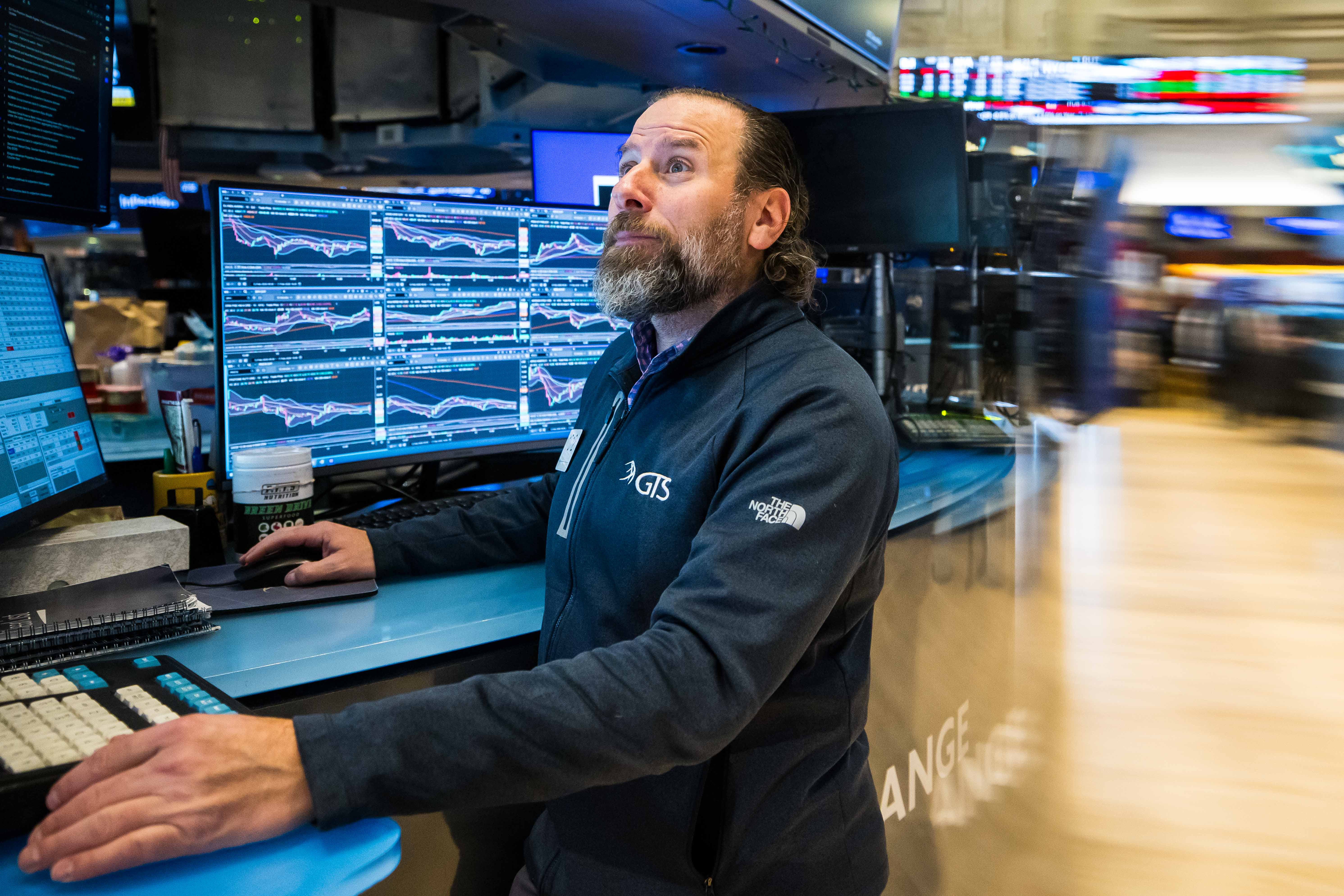
Sales pages for AI trading bots make a specific promise: plug in a strategy, walk away and collect the profits while the algorithm grinds around the clock. The marketing works because the fantasy maps to real institutions. Also, Renaissance, Citadel and Jane Street genuinely run automated systems that print money. So the question is not whether algorithmic trading works at all. It is whether the bot sold for $99 a month is the same animal as the one behind the hedge fund doors, and the honest answer stings.
In reality, here is the sting in one paragraph. Professional automated trading is a data, infrastructure and talent moat that took decades to build. Retail AI trading bots mostly reuse simple indicators, run on stale data and compete directly against those moats. Also, studies of retail algo trading keep finding that the majority of small automated traders lose money after costs. Yet bots are not useless; they are misused. This guide separates the two, then shows the safer path for people who still want automation.
In this guide
The 30-second answer
AI trading bots work for a small minority of disciplined users who build or buy transparent strategies, test them honestly and manage risk such as professionals. They fail for most buyers who purchase black-box subscriptions, overfit a backtest and hand over real money too early. In reality, the technology is real; the shortcut is not. If you automate, automate process: paper trading, position limits and kill switches before profits ever enter the conversation.
Key takeaways
- In reality, bots automate strategy execution; they do not create strategy wisdom.
- Institutional bots win with data and speed advantages retail buyers cannot rent.
- Backtests flatter almost every strategy; live paper trading is the only honest test.
- The true costs stack: subscriptions, spreads, slippage and drawdowns.
- Scam bots sell certainty; every guarantee is the confession of a fraud.
What you’ll learn
The route through this guide
- What automated trading bots actually do under the hood
- In short, what the evidence says about retail bot performance, pro and con
- The complete cost stack that quietly decides profitability
- Four failure modes that kill retail bots
- How trading bot scams hook victims, and the tells
- A safer starter path for people who still want automation
What AI trading bots actually do
In short, strip the branding and a bot is a loop. Watch: stream prices, volume, order book and sometimes news. Decide: apply rules or a model to convert observations into signals. Meanwhile, act: place, modify or cancel orders through a broker API. Manage: size positions, enforce stops and log everything for review. The AI part ranges from genuine machine learning to a renamed moving average, and the loop itself has run markets for decades under the name algo trading.
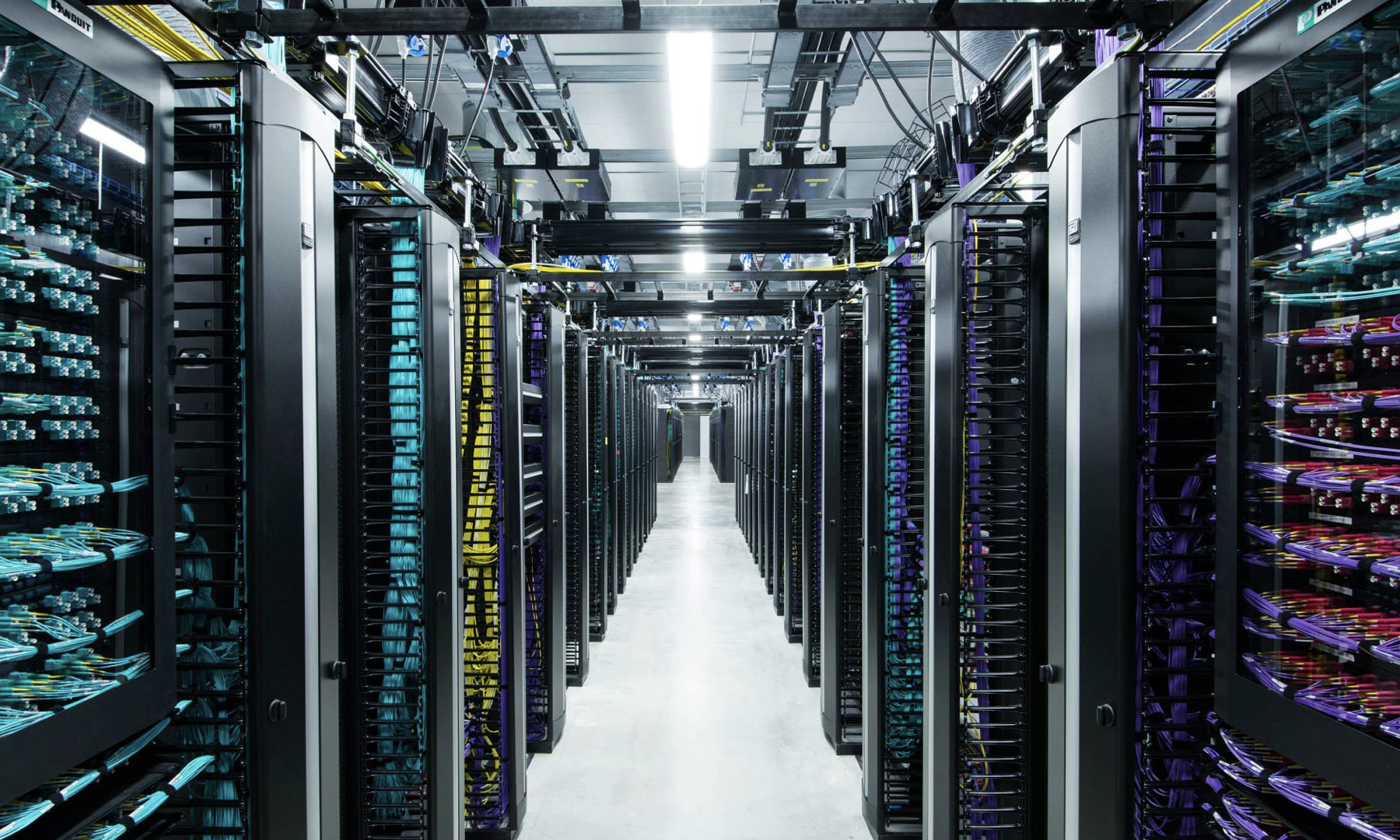
The categories matter because they fail differently. Meanwhile, market-making bots profit from spread capture and need serious infrastructure. Arbitrage bots chase price gaps across venues and evaporate in crowded markets. In particular, trend and momentum bots ride directional moves and bleed in choppy ones. Crypto trading bots add 24/7 markets and wilder volatility, which amplifies both profits and errors. Knowing which category a product belongs to is the first filter most buyers never apply.
The plumbing between the bot and the market matters more than the marketing admits. Every order travels through a broker API with rate limits, latency and failure modes that no demo account reveals. Data arrives delayed, exchanges throttle bursts and order fills slip during exactly the volatile minutes strategies care about most. In fact, serious builders test against all of it for months. Most buyers of AI trading bots discover it live, with money attached, which is why the setup phase below matters more than any strategy video.
The honest evidence: do AI trading bots work
In fact, start with what is well documented. Institutional automated trading demonstrably works at scale, with market makers posting tight spreads profitably across the world’s exchanges. In fact, on the retail side, the picture inverts. Academic studies of day traders, the population most likely to run bots, consistently find that the large majority underperform after costs, with the Brazilian futures study’s 97% loss rate over long horizons being the most cited. Automation does not rescue a negative-expectancy strategy; it executes one faster.
In fact, the counter-evidence is real too, and it clusters around process. Communities built around open backtesting frameworks like QuantConnect produce verified strategies occasionally, and disciplined hobbyists document live results that survive a year or more. The pattern across every credible success story is identical: transparent rules, honest out-of-sample testing, small size and years of iteration. That is the opposite of the instant-bot fantasy, which is exactly why the fantasy keeps failing its buyers.
Marketing claims deserve their own inspection here, because AI bot performance numbers are the least regulated figures in finance. For example, screenshots are unverifiable, track records are cherry-picked and simulated fills assume a liquidity that live markets deny. When you evaluate any product, demand the three things honest sellers volunteer: methodology, net-of-cost results and a drawdown history. The presence of risk discussion is the strongest single predictor of a legitimate operation, which tells you something sad and useful about the category.
A bot automates your edge. If the edge is imaginary, automation just makes it imaginary faster.
What bots cost, really
For example, the subscription price is the smallest line item, which is why honest cost accounting surprises everyone. Every layer below compounds against thin strategies, and none of it appears in the vendor’s profit screenshots. Before believing any performance claim, subtract all of the following and see whether the edge survives.
The real cost stack behind every bot
| Cost layer | Typical size | Why it bites |
|---|---|---|
| Bot subscription | $0-$150 monthly | Sunk cost that pressures overtrading |
| Data feeds | $0-$100+ monthly | Stale or thin data quietly ruins signals |
| Exchange and broker fees | Per trade | High-frequency strategies bleed here |
| Spread and slippage | Per trade | The silent killer of small edges |
| Drawdowns | Variable | Real losses on the road to hypothetical gains |
| Your time | Hours weekly | Monitoring, debugging and reviewing logs |
Also, run the arithmetic on a realistic case. A bot needing tight entries can lose its entire theoretical edge to slippage alone, before the subscription charges a cent. For example, this is why performance claims that ignore costs are not merely optimistic. They are functionally meaningless, and regulators keep saying so in increasingly plain language.
Where AI trading bots fail
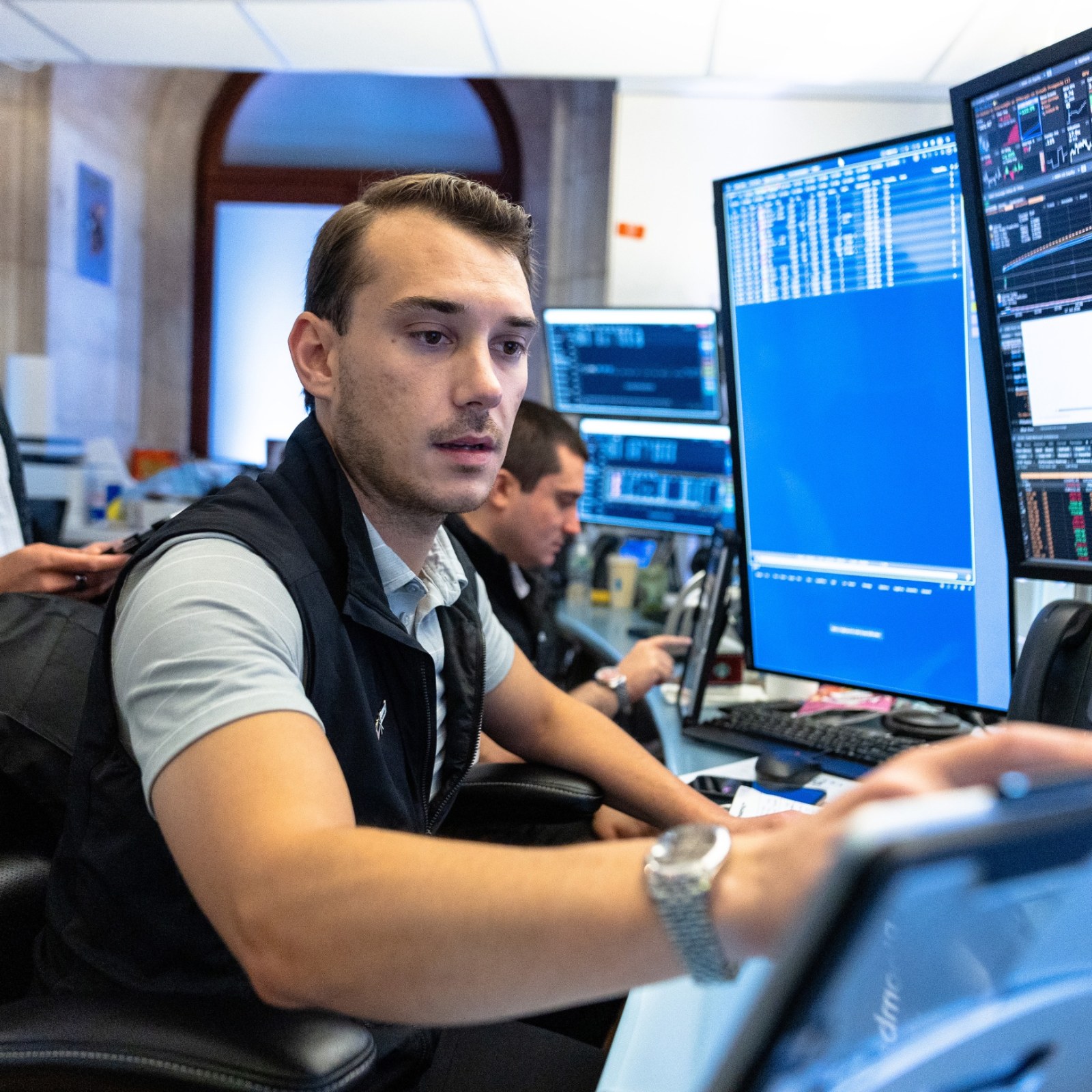
Specifically, four failure modes account for nearly every dead retail bot. Overfitting comes first: a strategy tuned so precisely to history that it memorizes noise, glows in the backtest and dies on contact with live data. Regime change comes second: the market stops rewarding the pattern, and the bot keeps executing a corpse of an idea. Third is infrastructure: dropped connections, exchange outages and API quirks that turn a paper algorithm into an accidental liquidation machine. Fourth, and most preventable, is risk management: position sizes that turn a normal losing streak into an account-ending one.
Notice the pattern across all four: the technology rarely fails. The assumptions around it do. This is also why professionals monitor automated systems with human oversight despite having the best engineering in the world. A bot executing on stale data during a market session gone disorderly can add fuel to a move that ends in a flash crash, and machines on the other side will not politely pause while yours figures it out. Oversight is not optional; it is the product. The honest history of AI trading bots is a history of humans catching what code could not.
If you are evaluating any product that claims to predict stock trends and trade them automatically, map the claims against those four failure modes. Vendors who discuss overfitting and drawdown controls honestly are describing a real product. Vendors who only describe the lambo lifestyle are describing you, at the moment of purchase.
Trading bot scams: how the trick works
The scam version of automated trading is a mature industry with a script. First: social proof, usually rented screenshots, fake track records and testimonials from accounts that never existed. Then come small wins, because early withdrawals or paper gains build the trust that later withdrawals cannot reclaim. Finally the squeeze: deposits face withdrawal locks, surprise fees or a demanded tax before release. By the time the platform vanishes, the operator has moved on to the next campaign.
Generative AI upgraded every step of that script. Chatbots now hold thousands of simultaneous conversations, each tailored to the victim’s hopes and vocabulary. AI-written testimonials read like real forum posts, complete with typos and doubts, and voice clones handle the phone follow-up. The pitch quality no longer screens the fraud, which breaks the old advice of trusting well-written materials. Trust the paper trail instead: registrations, audits and regulator databases, none of which a language model can fake yet.
AI branding supercharges the script because it supplies an explanation for results nobody must prove. Deepfaked endorsements from billionaires, fabricated live-trading rooms and dashboards showing beautiful equity curves on a simulated backend are all standard kit now. Regulators including the SEC and CFTC keep publishing alerts about exactly this pattern, and crypto trading bots remain the highest-density scam zone of all. Our guide to AI stock scams covers the broader playbook, including the pig butchering romance angle that drains six-figure accounts.
The tells are boringly consistent. Guaranteed returns. Urgency and exclusivity. Unverifiable performance. Requests to move funds to personal wallets or offshore apps. Refusal to provide audited anything. A legitimate automated trading product discusses risk in the first paragraph, because a real one knows risk is the whole conversation.
When in doubt, run the platform through the same regulatory checks you would run on a broker, then sleep on the decision for a full day. Fraud optimizes for speed because reflection is its enemy, and every hour of delay costs the operation conversions. Patience is not just a virtue here; it is a filter that no scam has ever learned to beat.
A safer way to start with automated trading

If the evidence has not scared you off, good: discipline is rare and it pays. The safer path trades size for learning and treats the first year as tuition. It also keeps a human hand on the risk levers at all times, which is the difference between automation and abdication. Here is the sequence that respectable practitioners actually follow, and it applies whether you build your own AI trading bots or rent one.
- Start with a strategy you fully understand, written in plain language before any code or purchase.
- Backtest honestly, out of sample, and distrust any curve without losses in it.
- Paper trade for one to three months with live data, logging every fill and slippage number.
- Go live at minimum size, so a total strategy failure costs tuition instead of trauma.
- Enforce hard risk rules: per-trade caps, daily loss limits and a kill switch you can reach in one click.
- Review weekly, retire strategies that miss their written benchmarks and keep the survivors small.
Two honest alternatives deserve a mention. A robo-advisor automates the investing part that actually builds wealth for most people, with rebalancing and tax handling for a fraction of a percent. And the broader guide to AI stock prediction explains where machine edges genuinely live today. For many readers, renting mature automation beats operating an amateur fund, and recognizing that early is a win, not a surrender.
Frequently asked questions
Do AI trading bots actually make money?
Some do, in specific hands. Institutional systems profit at scale with infrastructure and data advantages. Retail bots profit occasionally for disciplined users who test rigorously and manage risk tightly. Most buyers lose money because they skip every step that makes automation viable.
How much does a serious AI trading bot setup cost?
Beyond any subscription, budget for data feeds, per-trade costs and slippage, plus the hours to monitor and review. A realistic starter stack runs from free open-source tools to a few hundred dollars monthly. The subscription is never the expensive part; the costs that trade are.
Are crypto trading bots different from stock bots?
Same architecture, wilder environment. Crypto runs 24/7 with higher volatility, thinner liquidity on small venues and a heavier scam presence. Bots that survive crypto emphasize hard risk controls and venue quality above raw strategy cleverness.
What is the fastest way to spot a trading bot scam?
Look for guaranteed returns, unverifiable track records and pressure to move money fast. Check regulatory warnings from the SEC or CFTC, and treat flawless equity curve screenshots as a red flag rather than proof. Legitimate sellers talk about drawdowns before profits.
Can I build my own AI trading bot without coding?
Partially. No-code platforms and backtesting frameworks let you assemble rule-based systems without programming. Machine-learning components still require technical skill to avoid fooling yourself. The safer trade-off for most beginners is a transparent rules bot plus heavy paper trading.
The bottom line
Do AI trading bots really work? As technology, unambiguously yes. As a shortcut, unambiguously no. The systems that profit treat automation as an accelerator for a tested, transparent strategy under strict risk control, and the ones that fail skip one of those clauses. That is the entire truth, and it fits in a sentence the sales pages will never print.
If you proceed, proceed like a professional: paper first, small forever until proven otherwise, hard limits always. If that sounds like too much work, let mature automation handle the boring parts through a robo-advisor instead, and spend your energy on savings rate rather than strategies. Both paths beat the fantasy, and only one of them arrives by morning.
Sources
- SEC investor alert on automated trading systems and bots — sec.gov
- FINRA guidance on algorithmic and automated trading — finra.org
- QuantConnect community documentation on strategy backtesting — quantconnect.com
- Bloomberg reporting on retail algorithmic trading losses — bloomberg.com
- CNBC coverage of AI trading adoption and risks — cnbc.com