AI Ad Regulations

For years, advertising with AI lived in a legal gray zone that everyone quietly enjoyed. That zone is closing. AI ad regulations now define when you must disclose synthetic media, when a fake review becomes a federal violation, when a cloned voice breaks telecommunications law, and how much of this you can do before the fines start. None of it is complicated, yet most marketing teams cannot answer the basic questions, which is a genuinely dangerous combination.
This guide fixes that without a law degree. It walks through what the United States agencies are actually enforcing, what the EU AI Act requires as its obligations phase in, and what platforms demand on top of the law. Then it gives you a decision flowchart you can run on any single ad in five minutes. The honest framing: compliance in 2026 is less about avoiding evil and more about keeping paperwork that matches your workflow.
In this guide
- The 30-second answer
- What you’ll learn
- Why AI ad regulations bite in 2026
- The United States: FTC, FCC and the states
- Europe and beyond: the AI Act and its cousins
- The AI ad regulations flowchart for one ad
- What happens to brands that ignore it
- The platform layer: labels, libraries and ad policies
- The words that trigger scrutiny
- Frequently asked questions
- The bottom line
The 30-second answer
The short version runs like this. In the US, existing truth-in-advertising law already applies to AI, the FTC bans deceptive AI claims and fake reviews, and the FCC made AI voices in robocalls illegal. In the EU, the AI Act’s transparency obligations require labeling synthetic media as they phase in, and similar disclosure rules are spreading worldwide. On top of sit platform policies requiring disclosure of synthetic content. If your AI ad makes true claims, uses consented likenesses and carries a plain label, you are inside the lines almost everywhere.
Key takeaways
- Existing advertising law already covers AI, so no tool is a loophole.
- The FTC enforces against fake AI claims, fake reviews and deceptive testimonials.
- The FCC treats AI-cloned voices in robocalls as illegal under current rules.
- The EU AI Act phases in disclosure duties for synthetic media through 2026.
- Platforms add their own labels, and their rules bite faster than statutes.
What you’ll learn
The route through this guide
- Why 2026 turned guidance into enforcement
- The US layer: FTC actions, the fake review ban, the FCC voice ruling, state laws
- The EU layer: the AI Act timeline and the cousins copying it worldwide
- A five-question compliance flowchart for any single ad
- What happened to brands that ignored the rules, by name
- Five answers to the compliance questions marketers ask most
Why AI ad regulations bite in 2026
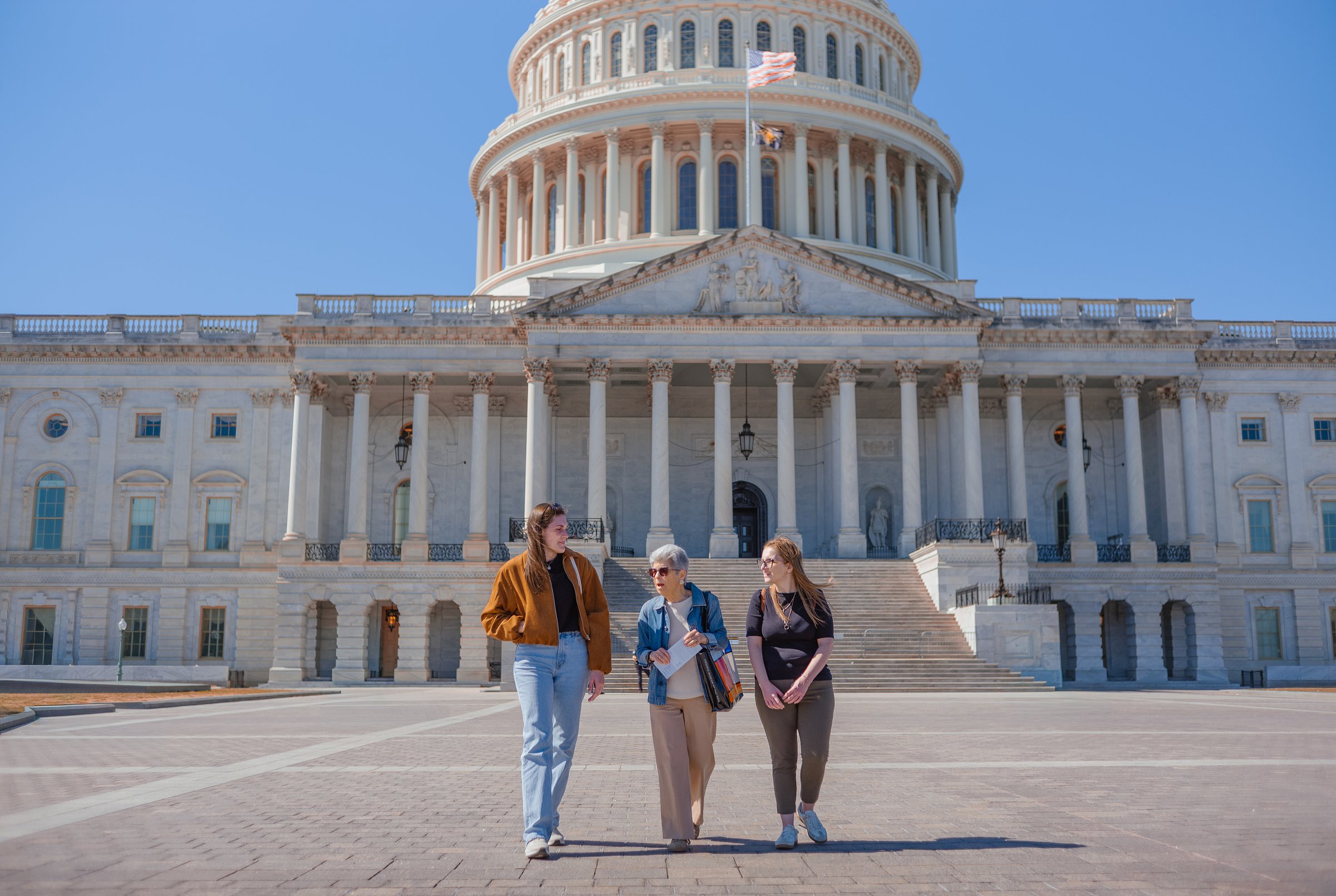
Regulation follows volume, and the volume arrived, so deepfake advertising laws now sit on the books rather than in drafts. Deepfake scam ads borrowed celebrities at industrial scale, AI-written fake reviews flooded marketplaces, and voice-cloning turned robocalls into convincing impersonations. Each wave produced headlines, each headline produced pressure, and 2024 through 2026 is the window where that pressure became binding rules. Understanding AI ad regulations therefore means understanding which wave each rule was built to stop.
The timing also has a legal logic. Most advertising law predates generative AI by decades, and agencies discovered they did not need new statutes to act, because deception is deception whatever produced it. So the first enforcement era uses old laws on new tools, while legislatures draft the AI-specific layer on top. For marketers this sequencing matters: you cannot wait for clarity, because the old rules already apply with full force.
The commercial logic matters just as much. Trust research consistently shows audiences punish hidden synthetic content more than disclosed synthetic content, so the regulatory floor and the audience preference point the same direction. Compliance in 2026 is not a tax on creativity; it is the cheap end of the believability problem that this whole cluster of articles keeps circling.
The United States: FTC, FCC and the states
Start with the FTC, because it moved first and hardest. Its Operation AI Comply sweep, the anchor of FTC AI rules for marketers, targeted companies selling AI-enabled deception, from fake review generation to inflated income claims, and its rule banning fake consumer reviews and testimonials took effect in late 2024, with civil penalties reported in the tens of thousands of dollars per violation. The principle underneath is simple and old: endorsements must reflect honest opinion and real use, whether a human or a language model wrote them.
The FCC added the voice layer. After a deepfaked robocall impersonating the president targeted New Hampshire voters, the agency ruled that AI-generated voices in robocalls are illegal under existing telephone consumer protection law. That ruling reaches any campaign using cloned voices to reach consumers by phone. Meanwhile states experiment faster than Congress: California passed laws requiring disclosure of AI-generated content in political ads and protecting performers’ digital likenesses, Tennessee protected voices with its ELVIS Act, and more states file similar bills every session.
For a working advertiser, AI advertising laws in the US reduce to three duties. Keep every claim truthful and substantiated, no matter who or what drafted it. Never fake a review, a testimonial or a customer, because AI changes the tool and not the lie. And treat voice and likeness as property that needs consent, because both regulators and juries increasingly agree on that point. Platform policies stack on top of all three, and for day-to-day AI ad regulations questions they bite faster than any statute.
Europe and beyond: the AI Act and its cousins
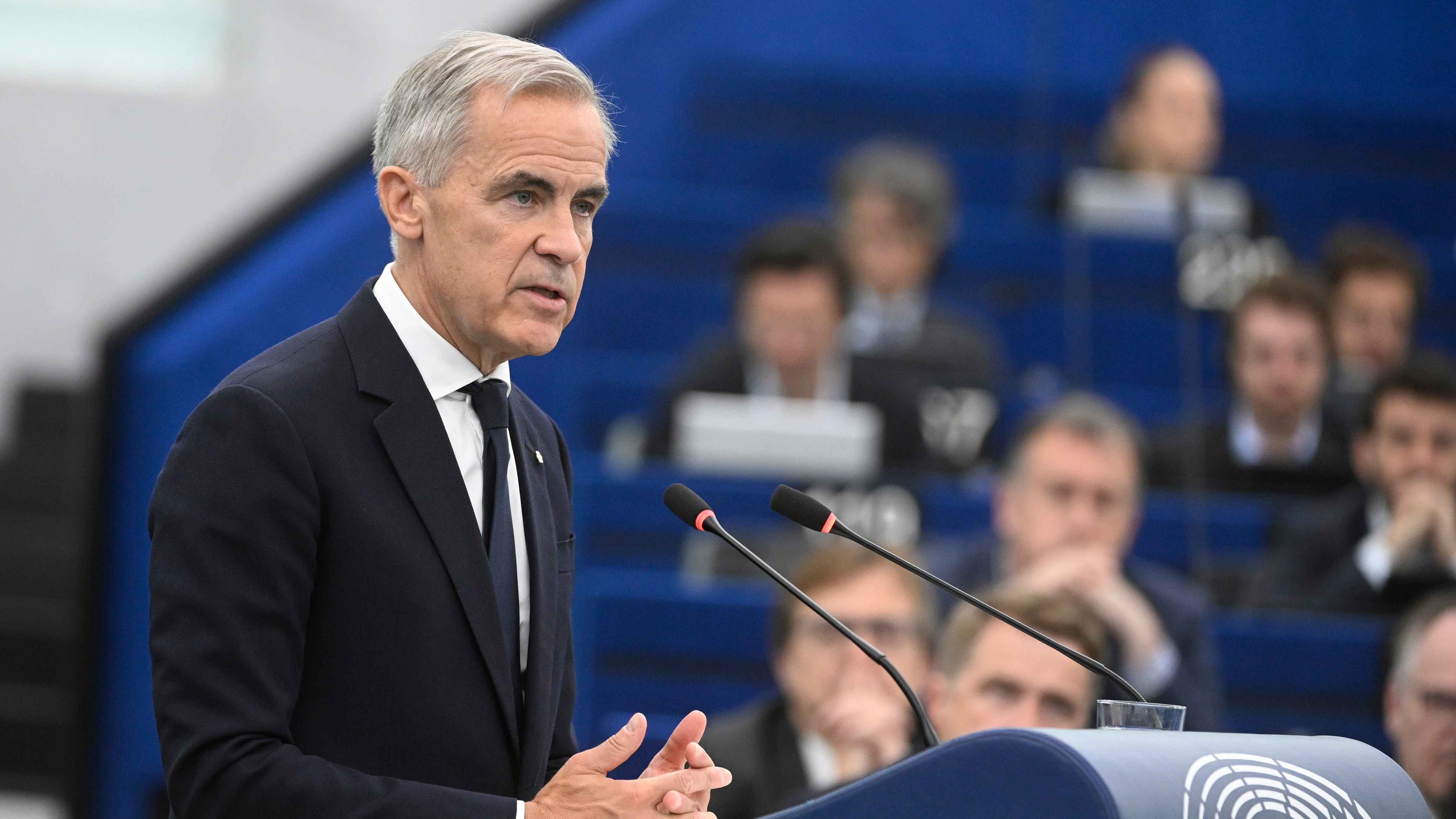
The EU AI Act is the world’s most complete AI rulebook, and its advertising relevance concentrates in the transparency chapter, the heart of EU AI Act advertising duties. As its obligations phase in, providers and deployers must disclose when content is artificially generated or manipulated, with specific duties for deepfakes and for AI systems interacting with the public. For advertising that means a synthetic influencer, a generated scene presented as reality, or a cloned voice promoting a product all need a clear, plain-language label for EU audiences.
The Act’s reach is famously extraterritorial: it applies when the output is used in the EU, regardless of where the advertiser sits, so a US brand running European campaigns is inside the perimeter. Firms also face documentation duties for higher-risk uses, and marketing teams discovered that those duties land on the vendors too, which reshaped procurement questions. Meanwhile China requires labeling of synthetic media, and other markets are drafting versions of the same idea, so disclosure is converging into a de facto global norm rather than a regional quirk.
For a global campaign owner, the practical translation is one rule to rule them all. Build the disclosure into the creative once, as a designed element rather than a legal afterthought, and it satisfies the strictest market automatically. Teams that follow the strictest-requirement-first approach report lower friction than teams maintaining separate compliant versions, and audiences read the label as honesty rather than bureaucracy. That is the rare case where the compliant path and the high-trust path are the same path.
The AI ad regulations flowchart for one ad
Most AI ad regulations questions resolve in five questions, so run every asset through this flow before launch. It takes minutes, and it produces exactly the documentation you would wish you had if a regulator, a platform or an angry customer ever asks. Print it, pin it, and make it the last step of your launch checklist.
The five-question AI ad compliance check
The four fixes, in order
Five no-answers and the ad ships. Any yes sends you to one of four fixes: substantiate the claim, license the likeness, add the label or delete the fake proof. That is the entire system, and it deliberately fits on one screen, because compliance that lives in a wiki nobody opens protects nobody. Our guide to deepfake celebrity ads applies the same checklist from the viewer’s side, and the two meet in the middle at consent.
- Write the claim inventory first, because AI ad compliance starts with knowing every promise the ad makes.
- Attach evidence to each claim, and keep the file next to the asset it protects.
- Confirm likeness consent in writing, for faces, voices and any recognizable persona.
- Set the disclosure label as a designed element, not a caption afterthought.
- Log the final check with a name and a date, so every ad has an owner of record.
What happens to brands that ignore it
The consequences arrive on three clocks. Fastest is the platform clock, where undisclosed synthetic content gets ads removed and accounts restricted within days. Medium is the regulator clock: FTC actions have already produced settlements, consent decrees and monetary penalties against companies over AI-related deception, and EU enforcement builds through national authorities as the Act’s deadlines pass. Slowest but largest is the market clock, where one exposed cover-up resets the trust your brand spent years accumulating.
The instructive cases share a shape worth naming. Nobody got fined for using AI to make a decent ad; they got fined and shamed for faking proof, faking people or faking outcomes. That distinction should reframe how your team reads AI ad regulations in 2026: the law is not anti-AI, it is anti-deception, and the creative freedom left over is enormous. Brands that internalize this ship more synthetic content than their cautious competitors, with the paperwork to enjoy it.
There is also a search dimension to enforcement that most marketing teams miss. Verified entities with consistent, well-sourced content fare better as AI-mediated discovery spreads, while anonymous copycats and scheme pages lose ground. Understanding how AI is changing Google search helps here, because the ranking systems increasingly reward exactly the trust signals regulators are demanding. Law and search are converging on the same definition of a legitimate advertiser.
The platform layer: labels, libraries and ad policies
Between statute and enforcement sits the layer that touches your account fastest: platform policy. Google requires disclosure of AI-generated content in election ads and maintains synthetic media policies that evolve quarterly. Meta labels AI-generated imagery in feeds and restricts undisclosed synthetic faces in commercial creative. TikTok requires creators to label realistic AI content and runs its own takedown machinery. Ad libraries, meanwhile, make every creative auditable by journalists and competitors, which quietly polices the claims layer too.
For a working advertiser, the platform layer is both burden and shield. The burden is procedural: labels on the right campaigns, declarations in the right checkboxes, and account teams reading policy updates the way pilots read notams. The shield is underappreciated: platform enforcement clears out the worst scam behavior faster than any regulator, and advertisers who follow the platform’s own AI ad regulations guidance inherit a cleaner auction. The practical habit is simple, and it belongs in the launch checklist: check the current policy page for each network before the campaign ships, because the policies move faster than any article, including this one.
The words that trigger scrutiny
Enforcement follows language as much as technology, and the vocabulary of your creative determines how closely it gets read. Claims of guaranteed outcomes, cure language, earnings promises and words like scientifically proven attract regulators under advertising law that predates AI entirely. Add synthetic faces or cloned voices, and the same claims inherit a second layer of risk, because AI ad regulations treat impersonation as an aggravating factor rather than a neutral tool choice. The screening habit is old-fashioned and effective: every superlative needs a substantiation file, and every human depiction needs a provenance note.
The audience side of the vocabulary
The quiet opportunity inside the vocabulary angle is that clean language converts better now. Audiences have learned to read advertising claims forensically, and the brands that under-promise, demonstrate and disclose consistently are outperforming the shouters in the trust-heavy categories. So the scrutiny layer, which marketers feared as friction, behaves like a filter that rewards exactly the behavior this whole cluster keeps recommending. AI ad regulations and audience preferences are converging on the same vocabulary, and early adopters of plain language are collecting the benefit.
The launch-day compliance reflexes
- Superlatives ship with evidence files, or they do not ship at all.
- Synthetic humans trigger a second scrutiny layer, so consent paperwork is creative infrastructure.
- Platform checkboxes change quarterly, so check them on launch day, not launch quarter.
- AI ad regulations reward documentation, and the file you keep is the fine you avoid.
A closing note on mindset, because AI ad regulations reward the teams that treat them as infrastructure. Build the checklist into the template, brief the gate owner once a quarter, and file the disclosures where the next campaign can copy them. AI ad regulations are converging worldwide on the same plain idea, that audiences deserve to know what is synthetic and that claims need evidence, and the brands that operationalized that idea early now spend zero extra hours on it. Compliance at that level stops being a department and becomes a habit, which is the cheapest legal advice this guide can offer.
Frequently asked questions
Do I have to disclose that an ad was made with AI?
Disclosure is required when content is synthetic and realistic enough to mislead, and platform policies increasingly demand labels for synthetic media regardless. Purely AI-assisted production on truthful claims generally needs no label, so the trigger is realism and deception risk, not tool usage.
Can I use AI-generated actors or voices in ads?
Yes, when the likeness is fully synthetic or properly licensed with consent and the ad does not deceive about material facts. Cloning a real person without written permission is the fast lane to litigation and, for voices in calls, federal violations in the US.
Are AI-written reviews illegal?
In the United States, fake reviews and testimonials generated or not are banned under the FTC’s rule, with civil penalties attached. Internally, AI summaries of real feedback are fine; publishing invented customer experiences as proof is not, anywhere in the flowchart.
Do the EU AI Act rules apply to my US company?
They apply when your ads or AI systems are used in the EU, regardless of where your office sits. Since the disclosure duties are similar to platform rules anyway, building one strict-compliance label into the creative usually satisfies both worlds cheaply.
What is the biggest AI advertising fine so far?
Individual penalty amounts keep changing as cases resolve, so treat any specific figure you see skeptically and check our AI advertising statistics roundup for the sourced numbers. The pattern matters more than the record: deception draws penalties, tool usage does not.
The bottom line
AI ad regulations in 2026 are less a maze than a checklist: true claims, consented likenesses, honest reviews, plain labels and platform rules respected. The agencies enforcing them are not against the technology; they are against the lie, which leaves enormous creative room for brands that document as they go. Run the five-question flow on every asset, build disclosure into the design, and 2026 becomes the year your compliance becomes a trust feature competitors cannot fake.
Keep reading
Sources and further reading
- FTC Operation AI Comply and the fake reviews rule — ftc.gov
- EU AI Act text and transparency obligations timeline — europa.eu
- FCC ruling on AI-generated voices in robocalls — fcc.gov (2024)
- Reuters reporting on AI advertising enforcement actions — reuters.com
- AP coverage of state laws on AI political ads and likenesses — apnews.com
- The Guardian on global synthetic media labeling rules — theguardian.com