Last December, Coca-Cola aired an entirely AI-generated Christmas spot. It looked almost exactly like their classic holiday ad from 1995, the one with the glowing red trucks. Millions watched it. Then millions argued about it. Some called it the future of AI ads. Others said it felt hollow, like a photocopy of a memory. Both sides were right, and that argument is exactly what this article is about.
The production quality of AI advertising is no longer the question. Sora and Veo make cinematic footage in minutes, Meta’s ad machine writes and tests copy at a scale no agency can match, and the best AI ads examples now sit inside campaigns from Nike to Netflix. The real question is trust. Do people believe what they see, and does belief still move them to buy?
In this guide
- The 30-second answer
- What you’ll learn
- How AI ads got this good, this fast
- The believability gap, in plain numbers
- The viral cases that shaped how people feel
- Spot AI ads in 30 seconds
- When AI ads work and when they backfire
- What this means for your campaigns
- How platforms label AI content today
- Frequently asked questions
- The bottom line
The 30-second answer
Here is the short version. AI ads are winning on volume, speed and cost, yet believability lags behind on purpose. Viewers have learned to spot the tells, from waxy skin to impossible hands, and surveys keep finding a trust deficit. So the brands winning with AI advertising are not the ones hiding it. They use AI for drafts, variants and scale, then put a human fingerprint on every claim that matters. Believability became a design choice, not a default.
Key takeaways
- AI ads now match human-made spots on polish, and beat them on speed and cost.
- Trust did not keep pace, because viewers have trained themselves to spot the tells.
- Viral cases like Coca-Cola’s holiday spot shaped public suspicion more than any survey.
- Disclosure helps more than it hurts, and hiding AI use is the fastest way to lose a customer.
- The winning pattern is AI volume with human judgment on every promise the ad makes.
What you’ll learn
The route through this guide
- How AI ads got this good, this fast, with the milestones that mattered
- The believability gap, told through honest numbers instead of hype
- The viral campaigns that taught audiences to be suspicious
- A 30-second checklist for spotting an AI-made ad
- When AI advertising works, and the situations where it backfires
- What to change in your own campaigns this week
- Five straight answers to the questions everyone asks
How AI ads got this good, this fast
The jump in quality happened in roughly three steps. First came copy generation, when tools like ChatGPT started writing headlines better than tired account managers at 6 p.m. Then came image generation, which gave small brands product shots and lifestyle scenes without a photographer. Finally, video models like Sora and Veo arrived, and the last expensive excuse for not making an ad disappeared. Each step cut cost, and each one moved AI generated ads closer to the mainstream.
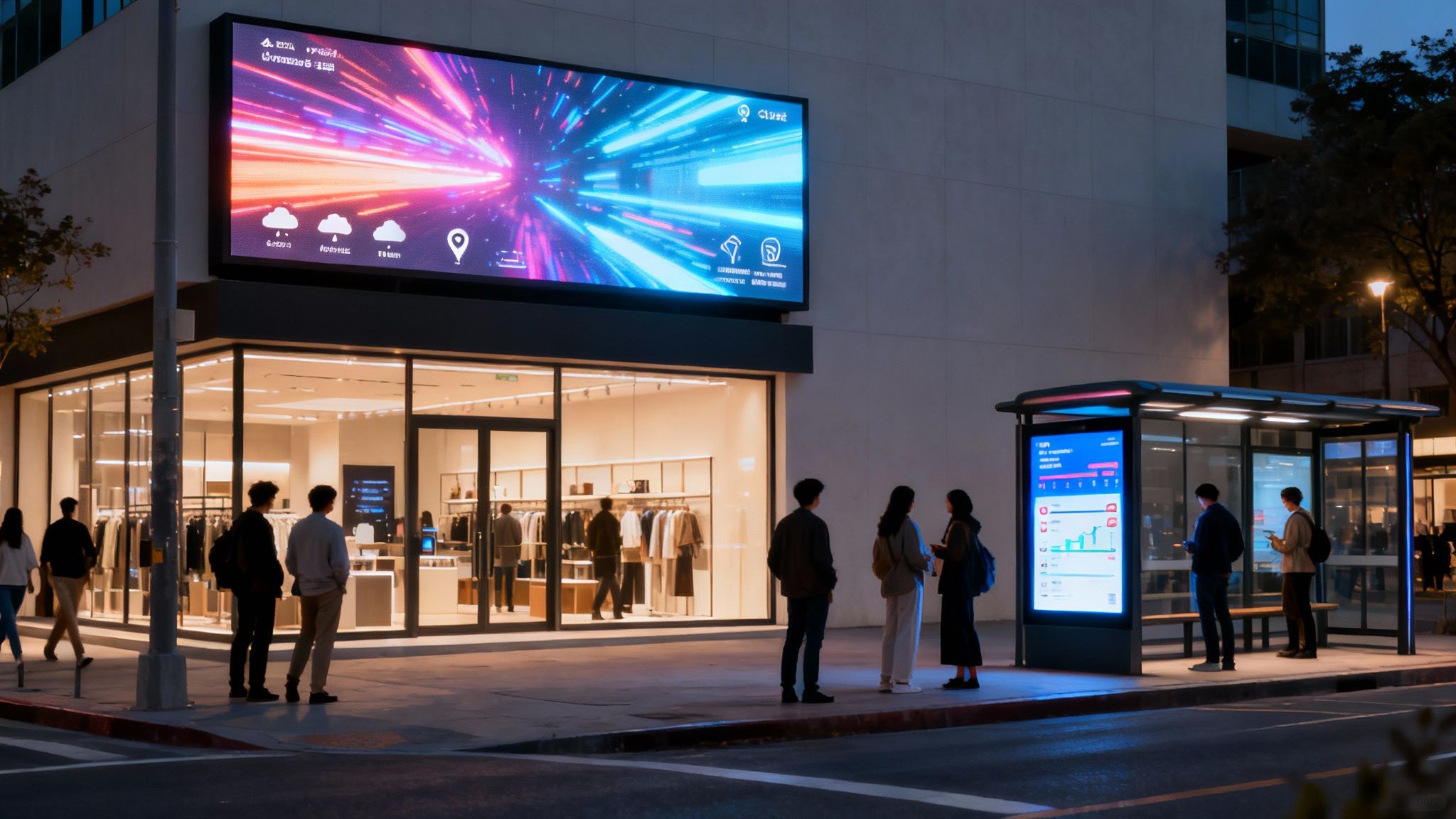
The platforms did the rest. Meta’s Advantage+ system now automates targeting, creative and budget in one pass, and the company reports that millions of advertisers use its generative tools. Google folded AI creative into Performance Max. Amazon built video generation for product listings, and Netflix told advertisers that AI-made midroll ads are coming. Meanwhile a single marketer with a laptop can ship more variants in a day than a 2015 agency shipped in a quarter.
Speed changed the creative culture too. When a new idea costs nothing to test, teams test everything. The Super Bowl AI ads of 2025 made the shift impossible to ignore, because the biggest advertising stage of the year carried an OpenAI spot and AI-assisted campaigns from Google and Meta. If you want the play-by-play, our Super Bowl AI ads breakdown covers every spot and what it taught the industry.
The believability gap, in plain numbers
So here is the uncomfortable part. Gartner predicted that 30% of outbound marketing messages from large companies would be synthetically generated by 2025, and the industry hit that curve early. Meanwhile trust research kept pointing the other way. Nielsen’s long-running finding that people trust recommendations far more than ads still holds, and authenticity studies keep landing in the same place. Audiences reward realness, and they punish the feeling of being processed.
The gap shows up behaviorally, not just in surveys. Comment sections on obvious AI spots fill with the word uncanny. Creators post side-by-side teardowns that outperform the original ads. A viral review of Coca-Cola’s AI holiday campaign, made by a single director, earned more attention than the campaign’s own media buy in some markets. None of this means AI ads fail. It means believability is now the metric that separates the winners from the wallpaper.
If you want the raw numbers behind that argument, our roundup of AI advertising statistics pulls the important surveys and platform disclosures into one place. The pattern across sources is consistent. Production cost fell, output exploded, and trust became the bottleneck. That is a strange sentence to write, yet it is where the industry honestly stands.
The viral cases that shaped how people feel
Public opinion was not formed by whitepapers. It was formed by a handful of campaigns that spread far beyond marketing Twitter. Coca-Cola’s AI Christmas ad is the anchor case, because it ran on national TV and invited comparison with a beloved classic. H&M rolled out AI digital twins of real models and spent months answering questions about consent and pay. Heinz let an image model design ketchup bottles and got a charming campaign almost by accident.
Then came the cautionary side. Deepfaked celebrity endorsements flooded social platforms, from a fake Taylor Swift selling cookware to a synthetic MrBeast hugging a giveaway scam. Those were not brand campaigns, yet they taught millions of viewers that a famous face in an ad proves nothing. We map the worst of them, and how to verify a celebrity spot, in our deepfake celebrity ads guide. The lesson soaked in fast: believing an ad because a familiar face is in it became a rookie mistake.
Meanwhile the positive cases kept arriving. Google’s Gemini Super Bowl spot, which helped 50 small businesses in 50 states, warmed audiences because the AI was serving real people. The Kalshi ad made with Veo in a single day proved a tiny team could reach the NBA Finals audience. So the public record is mixed in the most useful way. AI in advertising reads as believable when it amplifies something true, and fake when it replaces something people loved.
Spot AI ads in 30 seconds
You do not need forensic tools to make a decent judgment. You need a habit. The checklist below takes half a minute, and it catches most of what brands ship today. Run it mentally the next time a spot feels slightly too smooth, and you will notice how often the answer is obvious.
The 30-second believability check
Use the habit, respect its limits
One warning before you trust the checklist completely. The tells are improving every quarter, so a clean pass does not guarantee a human made the ad. Still, the habit matters more than the verdict, because it trains you to ask what an ad is actually claiming. That question protects you whether the spot was made in Hollywood or in a prompt box.
The believability habit, in one glance
- AI ads earn trust the same way people do: consistent honesty over repeated exposure.
- The tells viewers notice are rarely technical; they are promises that smell manufactured.
- One named human accountable for every claim beats any detection tool you can buy.
- Believability compounds, so every disclosed and honest ad lowers the cost of the next one.
When AI ads work and when they backfire
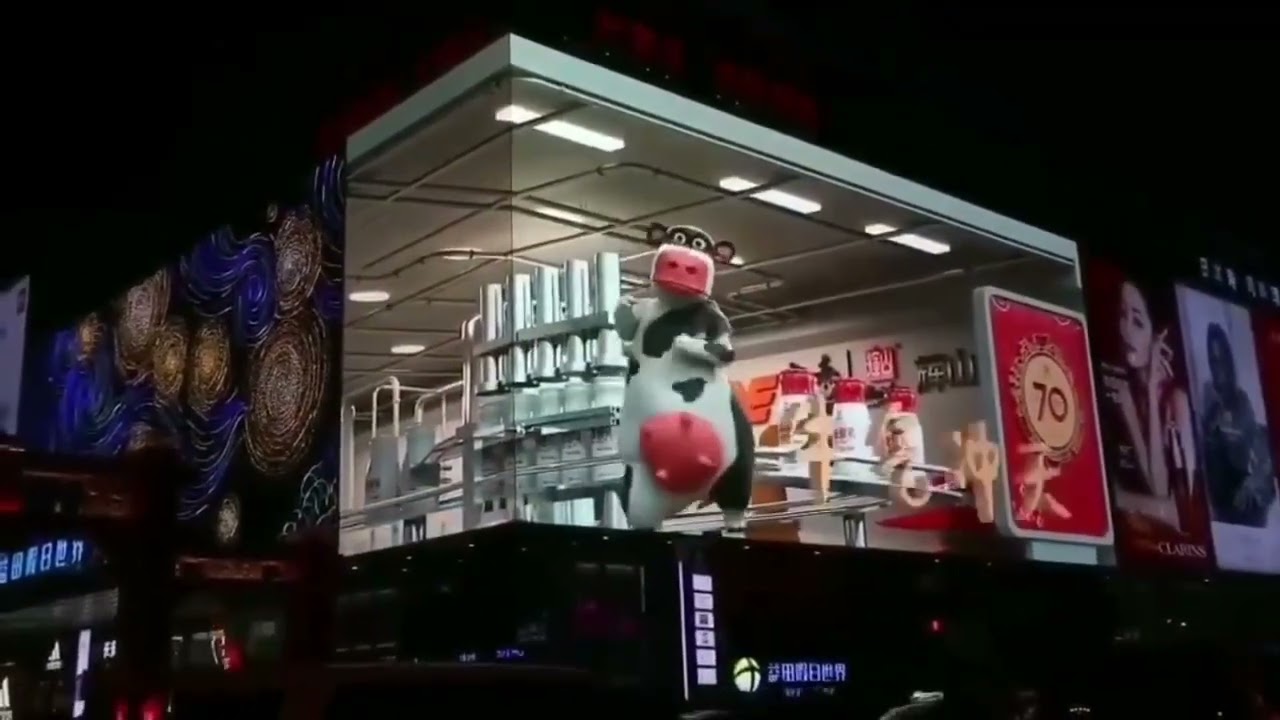
The wins share a shape. AI advertising works when it multiplies something already true. Google’s Gemini spot amplified real small businesses. Heinz amplified a real product quirk. Performance teams use AI to test forty honest variations of one promise, then let the data pick. In each case the technology served a fact, and audiences felt the difference even if they never thought about production.
Where the failures cluster
The failures share a shape too. Backfires happen when AI replaces something the audience loved with a cheaper imitation, which is exactly why the Coca-Cola debate got so heated. They also happen when brands fake people, because a synthetic customer testimonial is a lie wearing a smile. Regulators noticed that one, and our AI ad regulations guide explains the rules arriving in 2026. The pattern is simple. Amplify the true, never invent the personal.
The win-loss table, read honestly
AI ads: where they win, where they lose
| Situation | AI ads usually win because | AI ads usually backfire because |
|---|---|---|
| Direct response at scale | Hundreds of honest variants get tested fast | Chasing clicks with exaggerated promises erodes trust |
| Product ads with real photos | AI cleans up and resizes genuine assets | Fully synthetic products mislead buyers on arrival |
| Emotional brand films | Human stories with AI polish feel modern | Fully synthetic nostalgia feels hollow next to memory |
| Celebrity endorsements | Licensed, disclosed AI likenesses scale reach | Unlicensed deepfakes destroy credibility overnight |
| Local service ads | AI drafts and schedules around real reviews | Stock-style AI scenes hide the actual business |
Notice the column on the right. It is not a list of technical failures; every row is a honesty failure. That is the core finding of this entire cluster. The technology rarely breaks believability by itself, so the fix is editorial, not technical. Brands that understand this ship more AI ads, not fewer, because their human gate keeps the volume honest.
One more habit belongs in the winners’ column, and it costs nothing. Archive your own AI ads with their prompts, disclosures and performance, because your best-performing honest creative is the most valuable training data your team owns. A searchable library of what worked, filed next to what the audience said about it, turns every campaign into onboarding for the next one. That library is also your defense file, since provenance documentation reads as professionalism to regulators and as confidence to customers.
What this means for your campaigns
Start with your ratio. A practical split for a small team is roughly seventy percent AI-assisted production, twenty percent human-led storytelling and ten percent pure experimentation. You do not need to publish the ratio, but you should know it, because it keeps AI marketing campaigns from drifting into full automation by accident. Our AI marketing automation for small teams guide shows how to build that guardrail into the workflow itself.
Then fix your tells before your audience finds them. Freeze the last frame of every AI generated ad you ship and look at hands, text and reflections, because that is where viewers look first when they smell something synthetic. Add a one-line disclosure where synthetic media carries a claim. Finally, measure believability directly: save rate, comment sentiment and branded search lift all move when an ad earns belief, and our AI advertising playbook turns those signals into a weekly routine.
The uncomfortable summary is also the useful one. AI ads got better faster than audiences got comfortable, so trust is now the scarce resource in advertising. Spend it carefully, disclose more than feels necessary, and let real evidence carry every claim. The brands that do this will run more AI ads than their competitors, and their audiences will thank them for it.
How platforms label AI content today
Before you judge an ad, it helps to know what the feed already knows. Major platforms now run layered labeling for synthetic media. Political advertising with AI-generated content requires disclosure on the biggest networks, realistic deepfakes carry self-service labels on Meta and YouTube, and provenance standards like C2PA are quietly entering the camera and asset pipelines. The labels are imperfect and inconsistently applied, yet they exist, and audiences increasingly look for them.
For marketers, the labeling layer changes the strategy of hiding. A polished AI ad without a label now reads as an omission rather than a magic trick, because the feed has trained viewers to check. The brands that label early report a strange relief: the disclosure sentence absorbs the suspicion, and the creative gets judged on its merits. That is exactly the dynamic our five-step believability check predicts, and it is why labeling shows up in the winning pattern.
What the label layer means in practice
- Political ads face the strictest AI disclosure rules, and they set the tone.
- Self-service AI labels now exist on major social platforms for realistic media.
- Provenance metadata is entering the supply chain, so hiding is getting harder.
- Early labeling builds trust, while exposed labeling builds backlash.
Frequently asked questions
Are AI ads effective for small businesses?
Yes, mostly on speed and cost. Small teams test more honest variants per week with AI, which lifts response rates. The trap is volume without review, so keep a human approving every claim before it ships.
Can most people tell when an ad is AI generated?
Less often than they think, according to industry tests, yet confidence is very high. That gap between accuracy and confidence is why disclosure and honest creative matter more than production polish.
Do AI ads hurt brand trust?
They can, when a beloved human asset is replaced or a synthetic person endorses a claim. They rarely hurt when AI polishes real products, real customers and real stories, so the content of the ad decides the outcome.
Is it legal to use AI-generated actors in ads?
It depends on consent, likeness rights and disclosure rules in your market, and the rules are tightening in 2026. Our AI ad regulations guide walks through the FTC, EU and platform requirements in plain language.
What is the best way to start with AI ads?
Pick one performance campaign, generate variants for real claims only, and score believability alongside click metrics. Our AI advertising playbook gives the 90-day version with weekly checkpoints.
The bottom line
AI ads are better than ever, and belief is the last mile. The tools will keep improving, yet audiences have already learned to look closer, so polish alone stopped working. The brands that win treat believability as a design constraint: amplify real things, disclose synthetic ones, and keep a human accountable for every promise. Do that, and you can scale AI advertising without losing the room.
Keep reading
Sources and further reading
- Coca-Cola AI holiday ad coverage and industry debate — adage.com (2025)
- Reuters reporting on Coca-Cola’s AI-generated Christmas campaign — reuters.com
- Super Bowl LIX ad landscape and OpenAI’s first big-game spot — apnews.com (2025)
- Netflix advertisers briefing on AI-made midroll ads — theverge.com (2025)
- Gartner prediction on synthetic outbound marketing messages — gartner.com
- Nielsen research on trust in recommendations versus advertising — nielsen.com
- Marketing Brew coverage of AI ads and audience reaction — marketingbrew.com
- NPR reporting on consumer trust and synthetic media — npr.org