
The decision usually starts with a screenshot of two numbers. A robo-advisor charges about 0.25% of assets yearly to automate a diversified portfolio. A human financial advisor typically asks around 1% for plans, pickings and, above all, judgment. Multiply that gap across decades of compounding and the math tilts into six figures. That decimal is why the comparison keeps going viral. Yet the fee line hides the real question: what job does your money actually need? And is the robo-advisor or the human the right hire for it?
This guide settles it job by job. First, what each option genuinely does. Then, what the fee stack hides. Next, what the performance research actually says. And finally, where each side wins. The honest conclusion, reached early: most households with simple needs and steady discipline are overpaying for services they never use. Meanwhile some situations quietly earn a human’s full fee, especially messy ones involving equity compensation, businesses or estates. Matching the service to the situation is the whole decision.
In this guide
- The 30-second answer
- What you’ll learn
- What a robo-advisor actually does
- What a human financial advisor offers
- Cost compared: robo-advisor fees vs advisor fees
- Performance: what the numbers actually say
- When a robo-advisor makes sense
- When the human earns the fee
- The hybrid option: best of both
- Frequently asked questions
- The bottom line
The 30-second answer
Choose a robo-advisor when the job is investing a simple portfolio. That means index-fund diversification, automatic rebalancing, tax-loss harvesting and nudges. Firms like Betterment, Wealthfront and Vanguard Digital Advisor do it for roughly 0.25% or less. Choose a human financial advisor when the job is broader than investing. Think taxes around equity compensation, estate structure, business exits or coaching through a crisis. Trust research shows robo portfolios and human portfolios perform similarly at the investing layer. The deciding factors are complexity, accountability and the value of a calm human voice. Most households can name their situation within one honest minute.
Key takeaways
- The fee gap, roughly 0.25% versus about 1%, compounds into six figures over a career.
- At the investing layer, outcomes look similar; the difference is service breadth.
- Humans earn their fee on taxes, estates, business events and crisis behavior.
- Robo-advisors earn their fee on discipline, low cost and zero intimidation.
- Hybrid advice increasingly packages both, and often prices below pure human advice.
What you’ll learn
The route through this guide
- What automated investing actually does for your money
- The services a human advisor provides beyond picking funds
- The complete fee math, including the hidden layers
- What the performance studies honestly show
- The specific situations where each option wins
- How hybrid advice blends the two models
What a robo-advisor actually does
A robo-advisor is disciplined automation wearing a friendly interface. You answer a risk questionnaire and deposit money. The system then builds a diversified portfolio of index ETFs matched to your profile. From there it handles the jobs humans do worst. Portfolio rebalancing fires when allocations drift. Dividends reinvest automatically. And tax-loss harvesting turns market dips into deductions without a phone call. Contributions draft on payday, and the whole machine costs a fraction of a percent per year.

The behavioral layer deserves more credit than it gets. A robo-advisor will not panic-sell your IRA in a crash. It will not chase a meme stock or park everything in cash on scary headlines. It executes the written plan during exactly the weeks your biology screams otherwise. Industry surveys from NerdWallet and others keep finding the same gap. Investors say one thing about their plans and do another. Automation closes that gap for the price of a streaming subscription.
The limits are equally structural. Robo-advisors do not read your tax return or notice your vesting schedule. They will not negotiate your mortgage or talk you out of lending the down payment to family. Anything requiring context beyond a questionnaire sits outside their job description. They are the best fund managers most people will ever rent, and useless as life planners. That boundary defines every recommendation below.
It helps to name what the automation actually is under the hood: disciplined portfolio management with the feelings removed. A robo-advisor does not know your daughter’s name, and it does not care that the market fell on your birthday. That indifference sounds cold until you remember what panic costs during a crash. Machines do not sell at the bottom for emotional reasons. For millions of investors, that single deficiency is the most valuable feature ever shipped.
What a human financial advisor offers

A good human financial advisor sells four things, and picking funds is the least of them. Planning: an integrated map across taxes, insurance, retirement accounts, education and estate documents. Context: the ability to notice that the bonus arriving next quarter changes everything about this quarter’s decisions. Accountability: a scheduled human who notices when your stated goals and actual behavior diverge. And crisis performance matters most. Research from Vanguard’s Advisor’s Alpha work estimates that behavioral coaching alone adds around 1.5% in annual value. It works by stopping exactly the panic that the robo-advisor also prevents, this time with a human’s persuasive force behind it.
The risks run human too. Fees cluster near 1% of assets, sometimes plus commissions or product commissions dressed as recommendations. Quality varies enormously, and the industry’s credential zoo makes vetting a real task. Fiduciary RIAs and commissioned salespeople both carry business cards. FINRA’s free tools and a fiduciary standard in writing are the minimum screening kit. The fee debate matters, yet the bad-advisor debate matters more. One percent of nothing much is still nothing much. One percent plus bad advice compounds in both directions.
Cost compared: robo-advisor fees vs advisor fees
Here is the full fee picture on one table, because the headline numbers never tell the whole story. Underlying fund costs sit on both sides and are excluded, since index ETFs charge nearly nothing everywhere.
The real cost stack, side by side
| Option | Typical annual cost | What it includes |
|---|---|---|
| Betterment / Wealthfront | 0.25% of assets | Portfolio, rebalancing, tax-loss harvesting, tools |
| Vanguard Digital Advisor | About 0.20% of assets | Indexed portfolios with automation |
| Robo plus human hybrid | Roughly 0.30-0.89% | Automation plus limited advisor access |
| Traditional human advisor | About 1.0% of assets | Full planning, taxes, estate, coaching |
| Fee-only planner (hourly) | $200-$500 per hour | Advice without asset-based fees |
Now compound the difference. On a $300,000 portfolio, the gap between 0.25% and 1.0% is $2,250 in year one. Invested at market returns, that annual gap compounds toward roughly $300,000 across a thirty-year career. That is real money with a real address. Against that, a household needs to honestly ask what the human services above are worth per year. For some, the answer is thousands in saved taxes and a retirement date that arrives intact. For many more, the honest answer is a plan they never open after month three. The robo-advisor bets you are in the second group; the advisor bets you are in the first.
Performance: what the numbers actually say
The performance question dissolves once you separate the layers. At the investing layer, robo-advisor portfolios and human-advised portfolios hold similar diversified index exposures. Comparisons of real accounts keep finding modest, inconsistent differences that shrink further after fees. There is no credible evidence that a typical 1% advisor consistently out-picks a 0.25% algorithm. Both hold the same asset classes, after all.
The value lives one layer up, in behavior and breadth. Vanguard’s Advisor’s Alpha research attributes the bulk of advisor value to behavioral coaching and discipline rather than security selection. Then there is the behavior gap: investors underperform their own funds by trading at the worst times. That gap is exactly where both a good human and a good algorithm earn their keep. The robo-advisor prevents panic through automation. The human prevents it through a phone call that says the words out loud. Different mechanisms, similar destination.
One more honest wrinkle. Product-level studies, including analyses of Betterment’s public methodology, show the automated portfolios doing precisely what they promise. The promise is market-like returns with mechanical discipline. What no study shows, on either side, is reliable short-term outperformance. Anyone selling certainty on this comparison is describing a familiar fantasy. We dismantle it in our guide to AI stock prediction, just without the nicer suit. The honest financial advisor cost conversation starts there, with what the fee actually buys rather than what the brochure implies.
When a robo-advisor makes sense
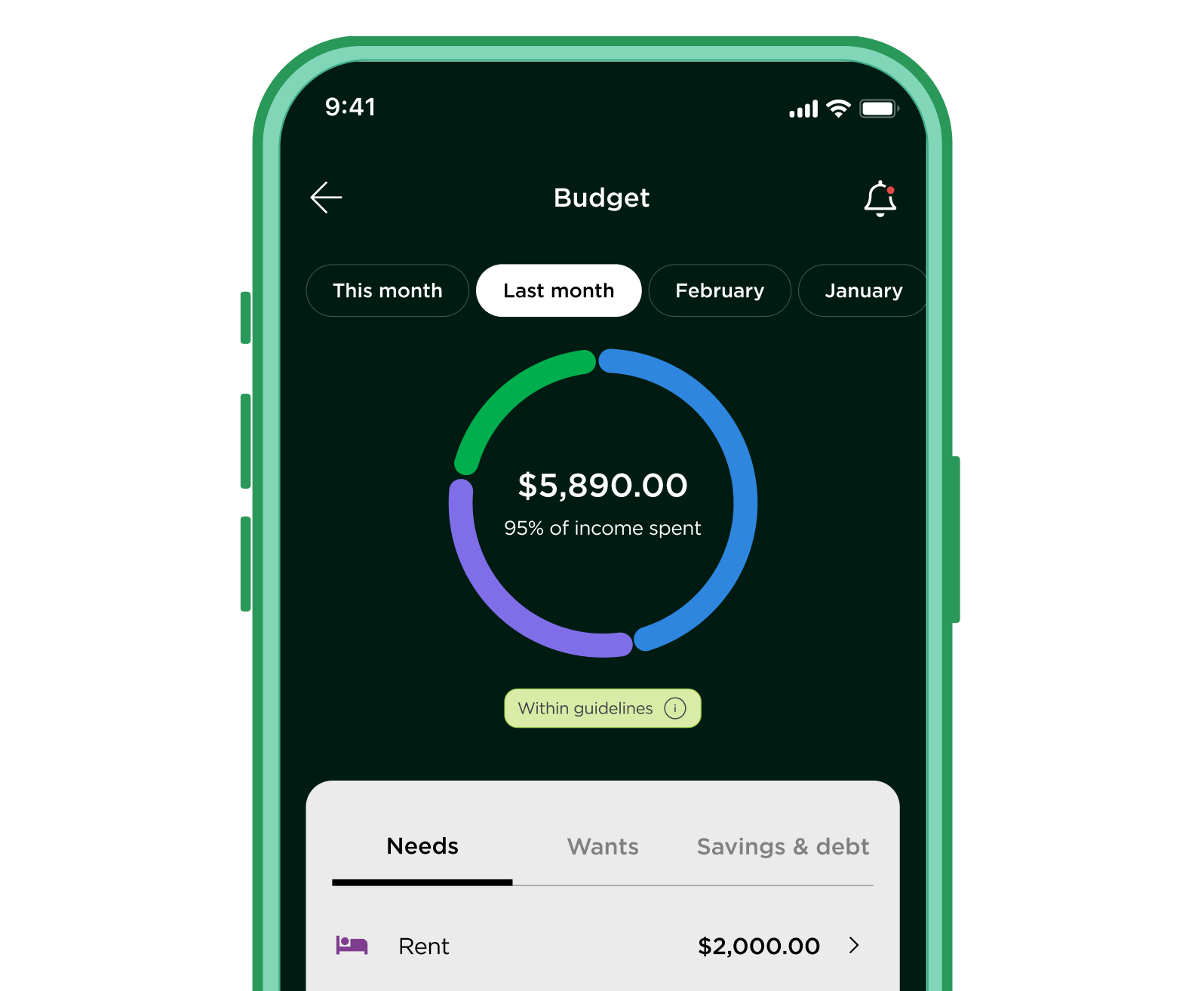
The automated side wins a clear majority of situations, because most situations are simpler than the finance industry pretends. Early-career investing with steady paycheck contributions belongs with a robo-advisor. So does a first serious portfolio built on index funds. Retirement accounts that just need correct risk levels fit too. And anyone whose finances fit on one page should not pay advisor prices. Add every person who knows, honestly, that they are their own worst enemy during drawdowns. The machine’s immunity to fear is the product.
The pattern across these cases is the absence of complexity. If your tax situation is standard and your estate is a simple will, the expensive layers of human advice go unused. If your income is a paycheck, the robo-advisor’s low fee is pure savings. Our roadmap to investing in stocks pairs naturally with this choice for beginners who want the full setup path. Start automated, and complexity, not marketing, should be the reason you ever graduate.
When the human earns the fee
Complexity is the trigger, and it arrives in familiar shapes. Equity compensation with vesting cliffs and tax elections. A business to sell, with its capital-gains anatomy. Inheritances, divorces, cross-border careers and estates that involve more than a form. Charitable strategies beyond a button. Each of these has six-figure consequences decided by details no questionnaire captures. Each one pays the human fee back many times over when handled well. The advisor’s product here is coordination: the accountant, the attorney and the portfolio all telling one story.
The second trigger is accountability. Some investors simply execute better with a named human expecting them at a scheduled review. Research on advice outcomes supports exactly that. If past behavior shows abandoned apps and drift, the fee buys compliance. Compliance is worth more than any fund pick. Just buy it carefully. Demand the fiduciary standard in writing, understand every fee layer and check records through FINRA’s free lookup tools. The vetting checklist overlaps heavily with the red flags in our AI stock scams guide. Bad advice and fraud share a favorite word: guaranteed.
The hybrid option: best of both
The market noticed the trade-off and built the merger. Hybrid advice packages the robo-advisor’s automation with human access. Firms like Vanguard Personal Advisor Services, Betterment Premium and Schwab’s premium tier run the portfolio algorithmically. Humans attach for planning questions at fees from roughly 0.30% to 0.89%. For households in the middle, growing, occasionally complex and periodically anxious, the hybrid usually wins. It captures the services actually used at a fraction of full-service pricing.
Expect the hybrid tier to keep growing, because it resolves the argument rather than winning it. The robo-advisor layer handles the daily discipline. The human layer handles the three or four decisions per decade that justify a person. Ask any hybrid provider the direct question, though. How many hours of human time does my fee actually buy? Who exactly answers the phone during a crash? The good ones answer specifically, and the answers belong in your notes before the first deposit.
Note how thoroughly AI now mediates the whole comparison. It runs the automation layer and even the research tools, our AI tools for stock market analysis guide among them. The irony is fine. The machines wrote the fee pressure, and the humans now compete by selling what machines cannot.
Frequently asked questions
Is a robo-advisor actually good for beginners?
Yes, and beginners are its ideal customers. A robo-advisor builds a correctly diversified portfolio, rebalances it and removes the emotional errors that sink new investors. It teaches through dashboards rather than lectures. Pair it with automatic contributions and it quietly does the right thing for decades.
How much does a robo-advisor cost compared to a human advisor?
Expect about 0.25% of assets yearly at Betterment or Wealthfront, near 0.20% at Vanguard Digital Advisor. A traditional human financial advisor runs closer to 1%. On $300,000, that is $750 versus about $3,000 every year, before compounding, which is the six-figure career-long gap.
Can a robo-advisor replace a financial advisor completely?
For straightforward situations, effectively yes: portfolio, rebalancing and tax-loss harvesting are covered. It cannot replace planning services such as estate structure, equity-compensation taxes, business sale strategy or Medicare navigation. If those exist in your life, the human still earns the fee.
Do robo-advisors perform better than human advisors?
At the investing layer, studies show similar performance after fees, because both mostly hold diversified index exposure. Human value concentrates in behavioral coaching and planning breadth. Anyone claiming reliable outperformance on either side is selling certainty that the evidence does not support.
Are robo-advisors safe?
Reputable US robo-advisors are registered with the SEC, hold customer assets at SIPC-member brokerages and use bank-grade security. The accounts are separate from the firms’ own balance sheets, so company failure does not mean account loss. Verify registration before funding, and skip any platform that guarantees returns.
The bottom line
Robo-advisor versus financial advisor is not a technology contest; it is a job-matching exercise. Simple money, steady habits and standard taxes fit the robo-advisor beautifully, and the fee savings compound into a second retirement account. Complexity, accountability needs and six-figure planning decisions fit the human, whose full fee suddenly reads as cheap.
Audit your own situation honestly: list the services you would actually use, then price only those. Choose the cheapest option that covers the list, whether that is a 0.25% algorithm, a 0.50% hybrid or a fiduciary human worth every basis point. And whichever side wins, automate the contributions, because the deposit habit, not the manager, is what turns either choice into wealth.
Keep reading
Sources
- Betterment pricing and methodology documentation — betterment.com
- Wealthfront account guide and fee schedule — wealthfront.com
- Vanguard research on advisor value and hybrid services — vanguard.com
- NerdWallet annual advisor and robo-advisor fee studies — nerdwallet.com
- Kitces research on advice value and fee benchmarks — kitces.com