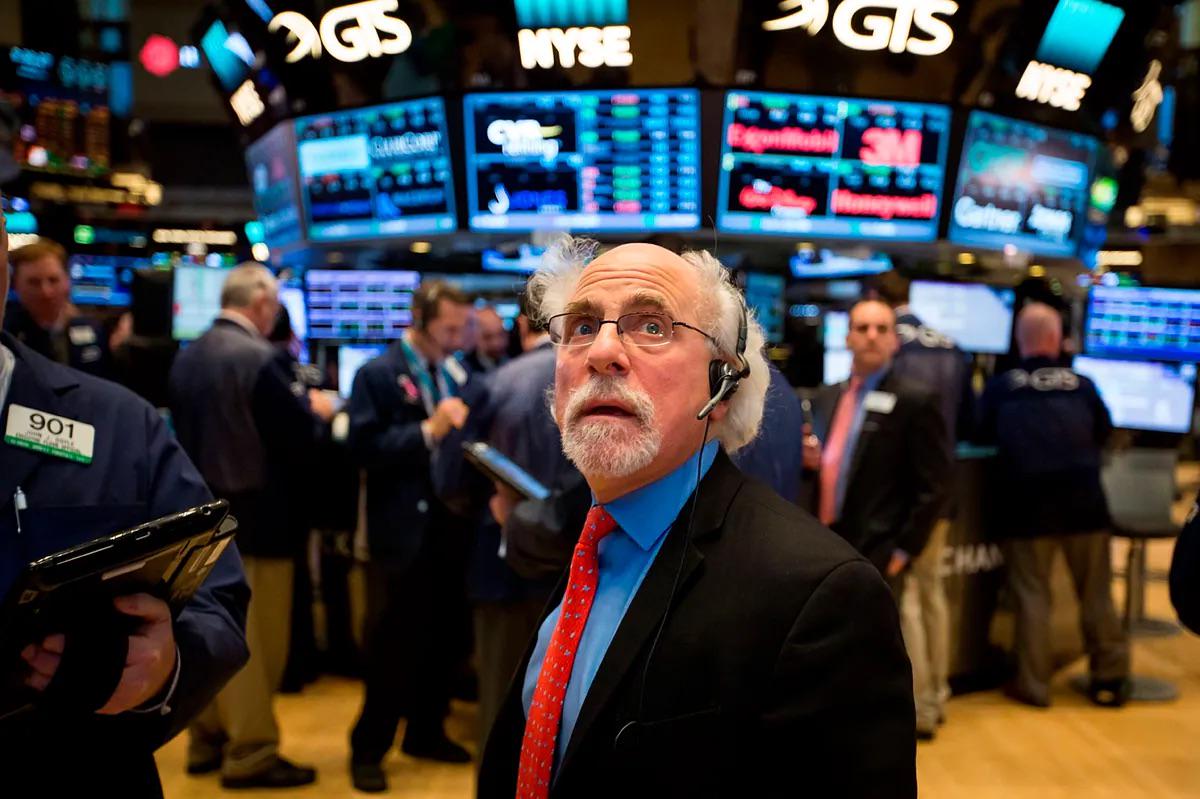
On May 6, 2010, the Dow Jones fell about 1,000 points in minutes, erased roughly a trillion dollars in paper value and snapped back before lunch. Traders described screens showing blue-chip stocks quoted at a penny. Regulators needed months to explain what everyone watched live: a flash crash, the market’s own system failing at machine speed. Fifteen years later, algorithms are faster, smarter and far more numerous, so the fair question is uncomfortable. What breaks next, and will a flash crash be how we find out?
This guide walks through four famous breakdowns, each one a lesson in how automated markets fail differently. A spoofing-driven collapse, a software deployment that torched a firm, an ETF plumbing failure and an AI-hype repricing that vaporized a record sum in one session. Different triggers, same skeleton. Learn the skeleton and the evening news stops being scary mystery and becomes readable history.
In this guide
The 30-second answer
A flash crash is a violent, machine-driven price collapse that reverses within minutes, caused when automated selling meets vanishing liquidity. The four landmark cases are the 2010 flash crash, Knight Capital’s 2012 software disaster, the 2015 ETF spiral and the January 2025 DeepSeek selloff. AI did not invent any of them, yet algorithmic trading supplies both the speed and the herd behavior that turns stress into freefall. Circuit breakers, halts and better oversight now limit the damage, and every investor should still know how the machinery fails.
Key takeaways
- Flash crashes are liquidity events: sellers overwhelm a market with no buyers.
- Speed amplifies both efficiency and fragility; the same pipes do both jobs.
- Each landmark crash exposed a specific weakness that rules later patched.
- Human oversight still catches what machines miss, when it stays in the loop.
- Position sizing beats prediction for surviving the day markets misbehave.
What you’ll learn
The route through this guide
- The anatomy of a flash crash, in plain language
- Four landmark cases and the specific lesson each one taught
- Why flash crashes keep happening despite decades of fixes
- The safeguards now built into US markets
- What the history means for your own portfolio and risk
What a flash crash really is
Strip the drama and a flash crash is a plumbing failure. Markets only work when someone is always willing to quote a price, and that job now belongs overwhelmingly to algorithms that manage inventory to the millisecond. When those machines detect danger, they do exactly what they were built to do: widen their quotes or step away entirely. Liquidity, the invisible cushion under every trade, evaporates in seconds. The next market orders then fall through empty air, printing prices no human ever intended.
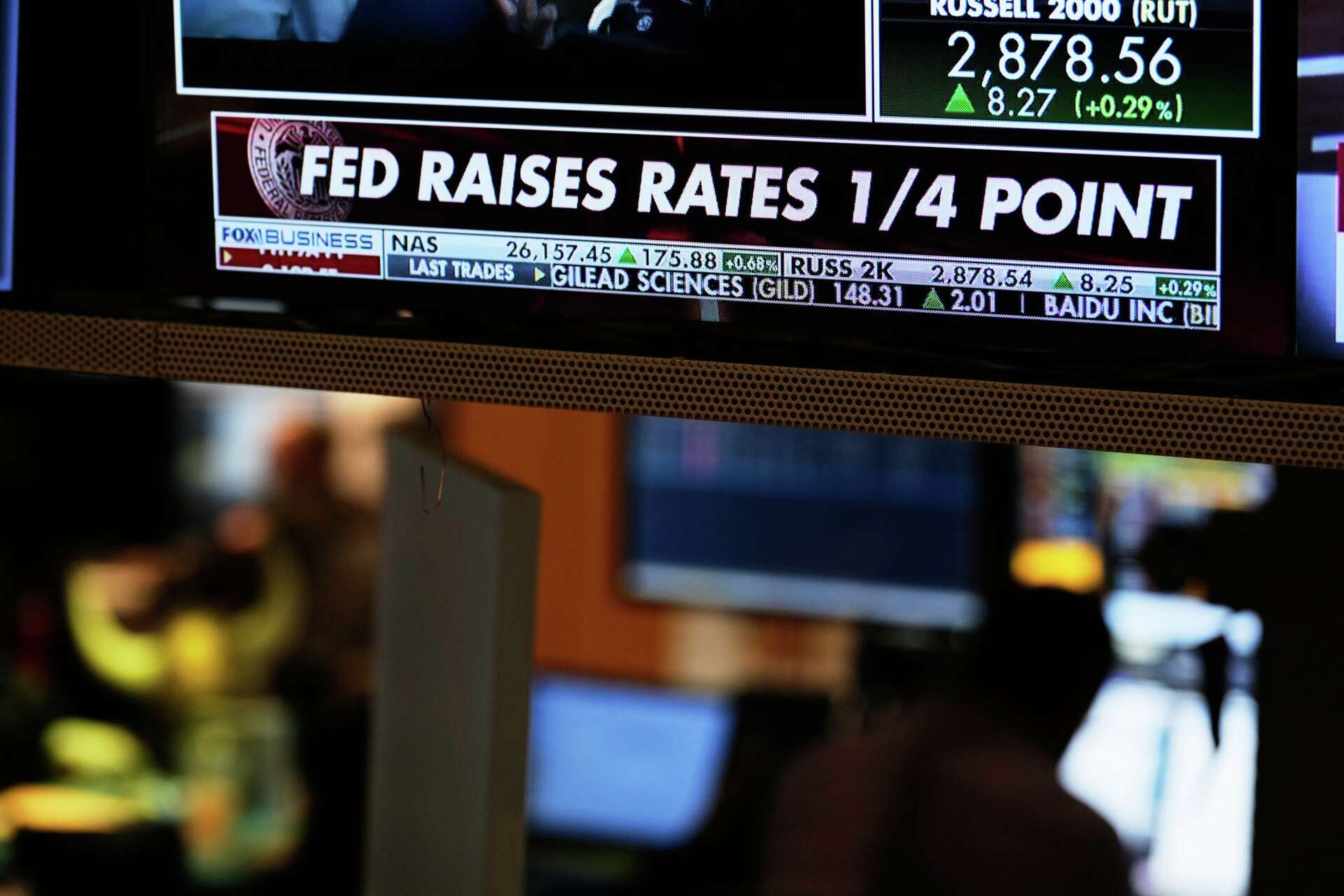
Two ingredients complete the recipe. Speed: machines react in microseconds, faster than any human can read the screen, so feedback loops close before oversight engages. Herding: many strategies share similar data and similar risk models, so they retreat in the same instant. The result is a market that behaves like a crowded theater with one exit and no ushers. Nothing about that requires malice; it only requires everyone to run out at once.
Here is what changed for regular investors. A generation ago these dynamics belonged to institutional desks with colocation racks; today the same retail apps that gamified investing also route through automated market infrastructure, and your limit order sits in the same storm. AI trading risks are no longer someone else’s weather. The good news is that the safeguards below have kept pace, and the practical defenses available to you, position sizing, limit orders, diversification, cost nothing but discipline.
Case 1: the 2010 flash crash
May 6, 2010, remains the reference disaster. A large automated sell program, seeded by the trader Navinder Sarao’s spoofing orders that faked demand, triggered a chain reaction. High-frequency firms pulled quotes, the sell program chased volume with market orders, and prices cascaded. Procter & Gamble traded down two-thirds in moments. Accenture printed at a penny. Exchange-traded funds quoted so far from their underlying stocks that regulators later voided thousands of trades. Roughly a trillion dollars of value vanished and most of it returned within about half an hour.
The joint SEC and CFTC report that followed became the genre’s foundational text, and its findings still define the field. Liquidity is perishable. Market orders are dangerous in thin markets. Spoofing is real, and Sarao eventually pleaded guilty to it. The crash also produced the first serious versions of today’s single-stock circuit breakers and limit-up-limit-down rules. Every later case on this list is, in a sense, a footnote to May 6 with a new twist.
One detail from that afternoon deserves its own sentence, because it changed how exchanges handle disasters. Roughly 20,000 trades, worth billions, were later voided as clearly erroneous, and the exchanges adjusted thousands more. The market healed partly by rewriting its own history, an option that only exists when broken prints are identifiable. That precedent, controversial among purists, became the template for handling every future flash crash without letting the damage metastasize into the clearing system.
Case 2: Knight Capital, 2012
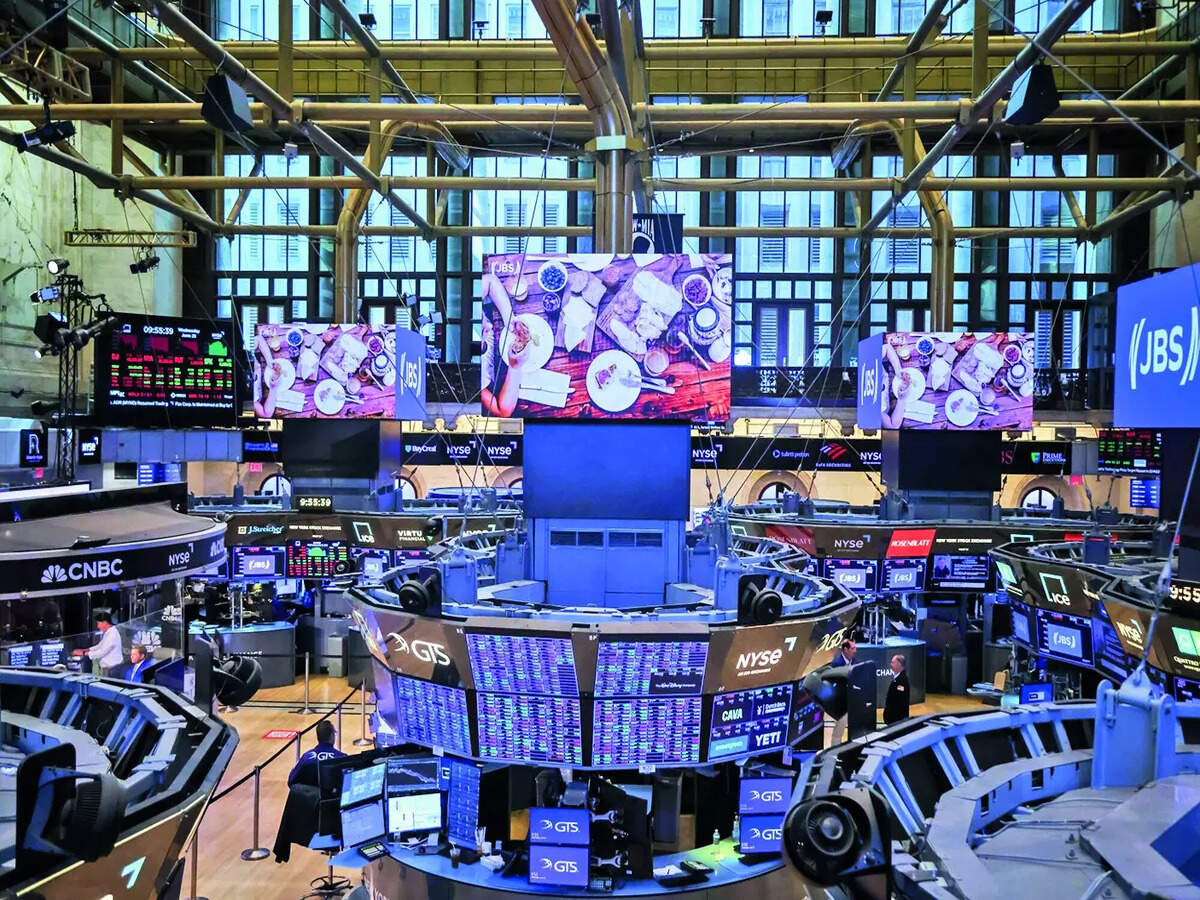
The Knight Capital disaster proves a flash crash can happen to one company’s balance sheet without the whole market moving. On August 1, 2012, a technician missed copying new code to one of Knight’s servers, so the old system woke up and began spraying millions of accidental orders into the open. The legacy code included a long-dead test flag, and the router kept buying high and selling low at machine speed. Forty-five minutes later the firm had lost about $440 million, more than its prior two years of profit combined, and it survived only through an emergency rescue sale.
The lesson is deliciously unglamorous: operational discipline is risk management. A deployment checklist would have saved the firm, and the industry’s response made kill switches, deployment audits and pre-market order throttles standard practice. For anyone tempted to connect a home-grown bot to a live account, Knight is the moral. The market does not forgive configuration errors, even from professionals with colocation racks and decades of experience.
Case 3: the 2015 ETF spiral
August 24, 2015 delivered the sequel with a new villain: structural gaps between ETFs and their underlying assets. A heavy open triggered a selling stampede, and ETF prices collapsed far below the value of the stocks inside them because the underlying market had not opened properly yet. More than a thousand securities hit volatility halts in a single morning, and ETFs traded at discounts that should have been mathematically impossible. The flash crash pattern repeated, this time dressed in plumbing rather than spoofing.
Regulators responded by resynchronizing opening auctions and tightening limit-up-limit-down bands, and the ETF market’s bigger players added liquidity commitments. Yet the episode exposed something durable: modern markets contain instruments whose prices depend on other markets opening cleanly, and when that assumption fails, algorithms enforce the broken arithmetic instantly. Complexity adds failure surfaces faster than rules add guards, which is why every safeguard since has been partial by nature.
Case 4: the DeepSeek day, 2025
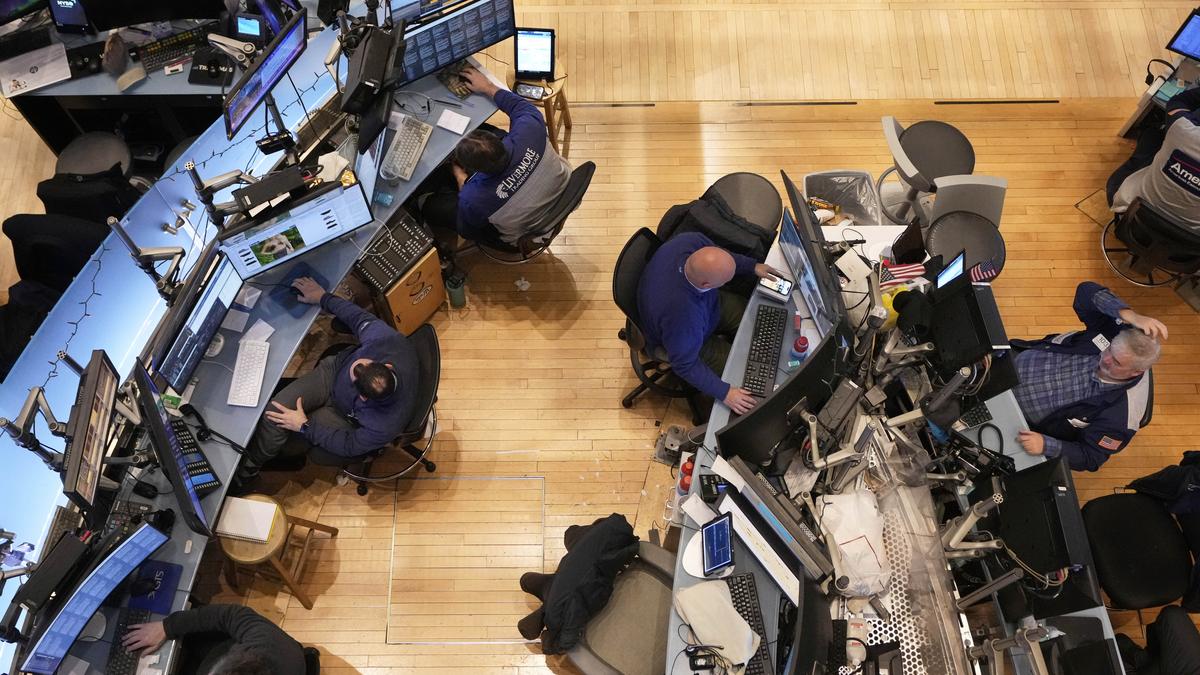
The newest landmark case barely qualifies as a crash under the old definitions, and that is the point. On January 27, 2025, a Chinese lab’s cheap, capable model cast doubt on the AI capex story, and Nvidia lost roughly $593 billion of market value in one session, the largest single-day value destruction in market history. Algorithms repriced the entire semiconductor supply chain within minutes of the news breaking. No plumbing failed, no spoofing fired; the machinery simply worked exactly as designed, at a speed that turned a thesis revision into instant history.
The DeepSeek day reframed flash crash risk for the AI era. The danger is not only machines malfunctioning but machines functioning perfectly on a narrative that changes overnight. Correlated models reading the same feeds reached the same conclusion at the same second, and crowded positioning did the rest. Investors holding AI-heavy portfolios experienced it as a flash crash of their own account, because exits were thin and selling begat selling. Speed no longer needs a bug to break things; consensus is enough.
Worth noting, too, is what did not happen that day. No exchange halted, no broken trades needed voiding, and the market opened the next morning functioning normally. A record destruction of value occurred entirely inside the rules, at prices someone voluntarily paid and someone voluntarily accepted. That is the sobering version of the lesson: the system can be working perfectly while your portfolio experiences a once-in-a-generation event. Concentration, not malfunction, is the modern tail risk.
Why flash crashes keep happening
Four forces guarantee recurrence. Liquidity remains a fair-weather friend, offered exactly as long as conditions feel safe. Feedback loops shorten as more capital runs similar models on similar data, so herding is structural, not accidental. Complexity keeps adding instruments whose stability depends on assumptions elsewhere. And incentives still reward speed over resilience, because the firm that pulled quotes fastest in 2010 lost nothing, while the one that kept quoting paid the bill. None of these forces has changed direction since May 6, 2010.
That is why the honest framing is not whether another flash crash arrives but which mask it wears. A novel asset class, a narrative reversal, a software bug at scale, or some combination nobody has priced yet. The triggers evolve; the anatomy does not. Markets that concentrate exposure, rely on continuous liquidity and react at machine speed will always carry the same failure mode in a new costume, and pretending otherwise is how institutions get surprised.
For retail investors the translation is straightforward. Market volatility at machine speed is a permanent feature, not a phase. The tools that help you react, including the scanners in our AI tools for stock market analysis guide, operate on the same rails as the machines that cause the chaos. Using them means inheriting their tempo, and our guides on AI trading bots and AI stock prediction cover that bargain in depth. The one defense that never deprecates is boring: position sizes you can hold through a terrifying hour.
How markets fight back
The safeguards, case by case
| Safeguard | Born from | What it does |
|---|---|---|
| Market-wide circuit breakers | 1987, refined after 2010 | Pauses the whole market on huge index drops |
| Limit-up-limit-down bands | 2010 flash crash | Blocks trades outside reasonable price bands |
| Deployment and kill-switch audits | Knight Capital, 2012 | Stops buggy code before it floods the market |
| Opening auction resynchronization | 2015 ETF spiral | Keeps ETFs and stocks aligned at the open |
| Spoofing enforcement | 2010 findings | Criminalizes fake orders that fake demand |
These safeguards have genuinely worked. The March 2020 pandemic crash, the 2022 rate shock and the August 2024 yen-carry unwind all featured extreme stress without a repeat of 2010’s broken prints. Halts triggered, bands held and the market reopened functioning. The honest summary: the machinery bends more gracefully now, while the narrative shocks keep arriving faster. The fixes manage the plumbing; they cannot manage conviction.
Frequently asked questions
What exactly is a flash crash?
A flash crash is an extreme, machine-speed price collapse that reverses within minutes, driven by automated selling meeting vanished liquidity. The 2010 event is the canonical example, with the Dow dropping about 1,000 points intraday and recovering the same day.
Does AI cause flash crashes?
AI and algorithmic trading supply the speed and herding that make flash crashes possible, though human-instigated tricks like spoofing and plain operational errors also caused landmark cases. The machines amplify whatever the system already contains, including panic.
Could a flash crash wipe out my investments?
A temporary crash itself rarely causes permanent losses for long-term investors who hold diversified positions, especially since exchanges now void broken trades and halt disorderly markets. Permanent damage comes from panic selling during the chaos or concentrated positions in the wrong instrument.
What are circuit breakers and do they work?
Circuit breakers pause trading when indexes or individual stocks move beyond defined thresholds, giving humans a moment the machines do not control. They worked as designed during the 2020 and 2024 stress events, converting potential spirals into orderly halts.
How can I protect my portfolio from machine-driven volatility?
Size positions so no single holding can wound you, prefer limit orders in thin markets, diversify across sectors and use broad funds for the core. Ignore anyone selling certainty about the next crash, and treat guaranteed-protection products as a reason to read our AI stock scams guide.
The bottom line
Every flash crash tells the same story at a different tempo: liquidity retreats, machines follow their rules, and the rules were written for calm markets. The 2010 flash crash taught surveillance, Knight Capital taught operations, the 2015 spiral taught structure and the DeepSeek day taught narrative risk. Each lesson bought a safeguard, and each safeguard made the system bend rather than break.
You cannot fix the plumbing, and you do not need to. Own prices you can live with, automate contributions rather than reactions and treat velocity itself as a risk factor when you size positions. The machines will keep trading at inhuman speed, and the investors who outperform are the ones who never join that race. Slow is still a strategy, and unlike speed, it compounds.
Keep reading
Sources
- SEC and CFTC joint report on the events of May 6, 2010 — sec.gov
- CFTC enforcement materials on spoofing and disruptive trading — cftc.gov
- Reuters retrospectives on Knight Capital and the 2010 flash crash — reuters.com
- Bloomberg coverage of the January 2025 DeepSeek market selloff — bloomberg.com
- CNBC market structure reporting on circuit breakers — cnbc.com